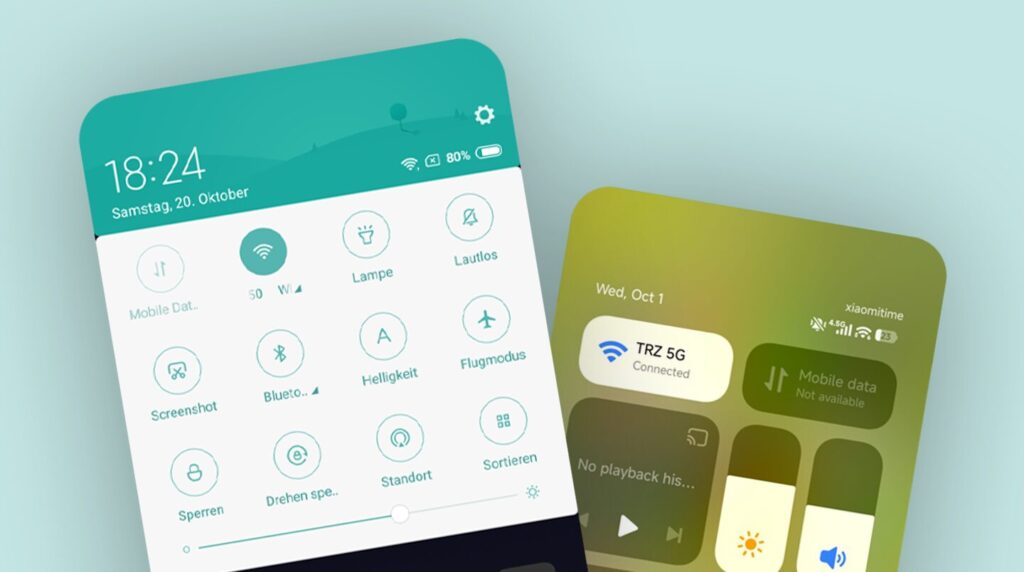
The battle lines are drawn within Xiaomi‘s extensive user community, pitting nostalgia against the allure of the new. At the heart of this conflict is the very essence of their mobile experience: Should Xiaomi continue down the path of iOS-inspired aesthetics with HyperOS, or should they heed the call to return to the leaner, performance-driven principles that defined MIUI 9? This debate isn’t just about personal preference; it reflects Xiaomi‘s broader ambitions to dominate the “Human x Car x Home” ecosystem, a strategy that necessitates careful consideration of its user interface (UI) and user experience (UX).
The choice between HyperOS and a potential “MIUI 9 revival” isn’t a simple binary decision. It’s a complex question of identity, reflecting Xiaomi’s evolving market position and target audience. The transition from MIUI 9 to HyperOS signifies more than a mere visual update; it’s a strategic pivot that acknowledges changing consumer expectations and the increasing importance of a unified experience across multiple device categories.
MIUI 9 was celebrated for its speed and efficiency. It embodied a minimalist design philosophy, prioritizing rapid animations and efficient resource allocation. Users lauded its responsiveness, often describing the OS as feeling “snappy” and “lightweight.” Features like “Image Search” and “Smart Assistant” were introduced, but the core focus remained on optimizing performance, particularly on mid-range and budget devices. It was designed to maximize the capabilities of the hardware, making it the software equivalent of a finely tuned sports car – responsive, agile, and devoid of unnecessary frills.
HyperOS, in contrast, prioritizes visual richness and a cohesive experience across Xiaomi’s diverse product portfolio. It embraces advanced rendering techniques, layered blur effects, and a split Control Center that draws clear inspiration from modern iOS design. While performance remains a consideration, the emphasis shifts towards creating a visually immersive and consistent experience, regardless of the device being used. The new OS emphasizes interconnectivity and seamless transitions between smartphones, tablets, wearables, and even Xiaomi’s SU7 electric vehicle.
This shift is partly driven by the increasing capabilities of modern smartphone hardware. With more powerful processors and ample RAM, devices can now handle more visually demanding interfaces without significant performance degradation. However, some users argue that these visual enhancements come at the cost of responsiveness, particularly on older or less powerful devices.
For users transitioning from iOS, or those simply accustomed to its design language, HyperOS’s iOS-inspired elements offer a more intuitive and familiar experience. The unified toggles, dynamic features like Live Activities (similar to iOS’s Dynamic Island), and overall layout create a sense of ease and accessibility. This is particularly appealing to users deeply integrated within Apple’s ecosystem, as it minimizes the learning curve and promotes a smoother transition. This strategy is not unique to Xiaomi; other Android manufacturers have also incorporated elements of iOS design to broaden their appeal.
In China, iOS holds significant aspirational value, especially within the premium market segment. HyperOS’s design choices resonate with consumers seeking a modern and sophisticated user experience, mirroring the perceived prestige of Apple’s products. This is further amplified by the seamless integration of HyperOS with essential local services like WeChat, Alipay, and Meituan. Consistent design and optimized performance with these ubiquitous apps are crucial for user satisfaction in the Chinese market.
However, a significant portion of Xiaomi’s user base, particularly long-time enthusiasts and members of Android-centric communities, advocate for a return to a more distinct visual identity for Xiaomi’s operating system. These users often view MIUI 9 as a high point in Xiaomi’s software development, praising its fast response times, streamlined notification panel, and less complex animation logic. They argue that Xiaomi should focus on developing its own unique design language, rather than simply emulating iOS.
Furthermore, some users express concerns that HyperOS’s visual enhancements can negatively impact performance, especially on devices with less powerful hardware. Features like real-time blurring and dynamic renderings can strain system resources, leading to lag and reduced battery life. These users often desire greater control over the interface, including the ability to toggle between the Android-style unified notification panel and the split Control Center. The lack of customization options in some HyperOS builds has been a source of frustration for this segment of users.
From a strategic business perspective, Xiaomi’s design decisions reflect its increasing focus on the premium smartphone market and its expansion into new product categories, such as electric vehicles and smart home devices. A unified, visually rich interface is seen as crucial for creating a cohesive brand experience across all of these products.
High-end Xiaomi devices, such as the Xiaomi 14 Pro and the upcoming Xiaomi 15 Ultra, compete directly with flagship iPhones in the $900+ price range. In this segment, visual polish and perceived premium quality play a significant role in shaping consumer perceptions. HyperOS’s modern, recognizable design and consistency across product lines are intended to project an image of sophistication and technological prowess, attracting discerning consumers willing to pay a premium for a superior user experience.
Ultimately, the question of whether Xiaomi should prioritize an iOS-like interface or a more uniquely Xiaomi design doesn’t have a definitive answer. It reflects the diverse needs and preferences of Xiaomi’s global user base. Power users value originality and performance efficiency, while mainstream and premium-segment users prioritize familiarity, visual sophistication, and ecosystem consistency.
As Xiaomi continues to develop HyperOS for its phones, vehicles, and smart home devices, the challenge lies in balancing these competing priorities while maintaining a coherent design identity. The company must find a way to cater to the diverse needs of its users without compromising the overall user experience or diluting its brand identity.
This may involve offering greater customization options, optimizing performance on a wider range of devices, and continuing to innovate in areas where it can differentiate itself from the competition. The future of Xiaomi’s software hinges on its ability to navigate this complex landscape successfully.