What Gets Lost on Android
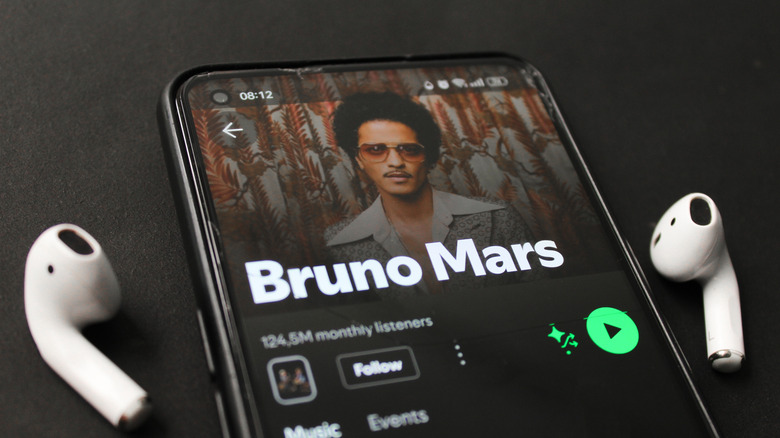
Connecting AirPods to an Android device means sacrificing several key capabilities. Active noise cancellation still works, but most of the advanced features do not.
- Ear detection, which automatically pauses media when an earbud is removed, becomes unavailable
- Stem control customization is lost, so tapping to answer calls, skip songs, or pause playback no longer works natively
- Spatial Audio is exclusive to Apple’s ecosystem
- Apple Intelligence features, such as Live Translation, require an iPhone
Firmware updates add another layer of friction. Keeping AirPods current on Android means an Apple Store visit or access to a Mac or iPad, since there’s no Android path to updating them directly, according to BGR. For Android-first users, that alone significantly undercuts the value proposition.
What Android Users Get Instead
Android users have solid alternatives that offer full feature sets within their own ecosystems. Samsung phone owners benefit from the latest Galaxy Buds Pro, which offer active noise cancellation and EQ customization comparable to AirPods.
Google’s Pixel Buds are a natural fit for Pixel phone users, and staying within the same brand ecosystem typically unlocks first-party features that mirror the seamless experience Apple users get with AirPods. For those chasing an Apple-adjacent sound signature on Android, Beats remains a solid option since it uses similar underlying technology, even as Apple has scaled back its focus on the brand in recent years. Beats still delivers decent sound with better multi-device compatibility for Android users.
Where Android Earbuds Still Fall Short
Despite the progress, some Android-branded headphones still draw criticism. Many users find them bulky, even in earbud form. The Galaxy Buds 4 Pro, for example, ships with a slightly thicker case than the AirPods Pro 3, which can feel less pocket friendly.
Sound profiles also differ enough that users accustomed to the AirPods sound out of the box may not immediately warm to other brands. Multi-device switching tells a similar story of partial progress. Google’s Pixel Buds allow switching between two non-Google devices, while Apple’s multi-device switching remains locked to its own hardware, a reminder of how tightly Apple controls its ecosystem compared to the more open, if less polished, Android approach.
AirPods function fine as basic Bluetooth headphones on Android, but the core value proposition disappears the moment you leave Apple’s ecosystem. Android users chasing a fully featured experience are better served by headphones built for their specific device.
Follow Hashlytics on Bluesky, Facebook, LinkedIn , Telegram and X to Get Instant Updates