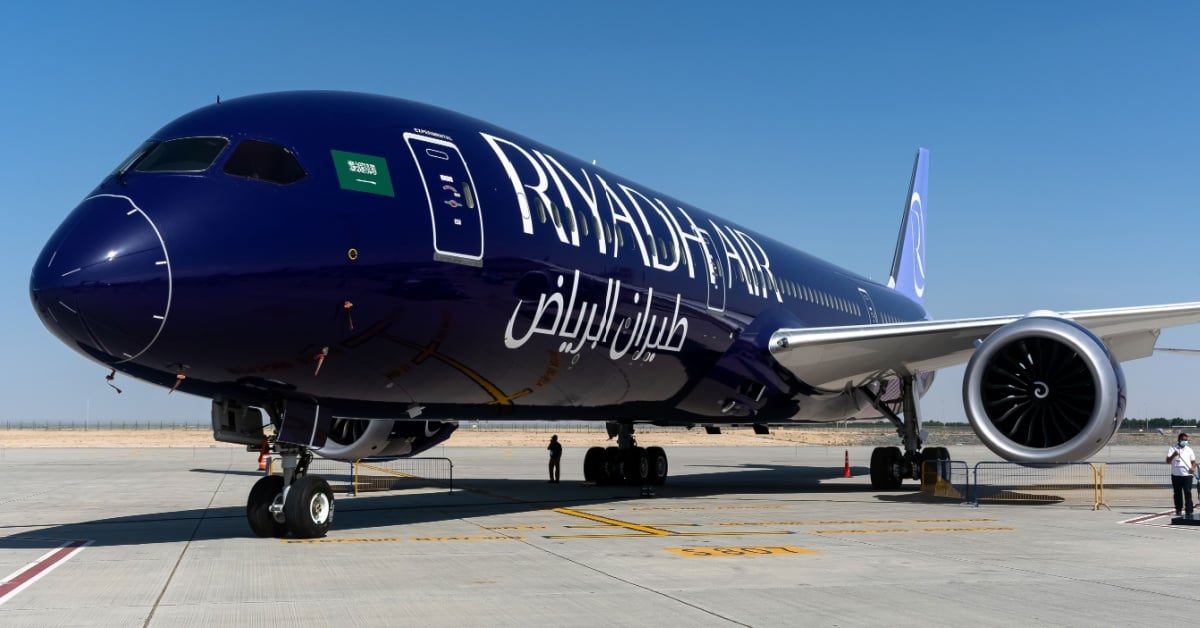
The partnership, announced recently, envisions a future where AI powers everything from booking flights to managing baggage, and even anticipating potential delays. IBM’s role isn’t just about implementing existing AI solutions; it’s about architecting an intelligent ecosystem designed specifically for Riyadh Air’s unique needs.
The promise is ambitious: AI-powered operations that create agility across the business and unify employee and guest experiences. This translates to personalized travel recommendations, proactive customer service, and optimized flight scheduling, all driven by data and machine learning.
IBM is touting its expertise in AI and hybrid cloud solutions as key to delivering this vision. By leveraging data analytics and machine learning, Riyadh Air hopes to gain a competitive edge in a crowded market, attracting both leisure and business travelers with a superior, tech-enabled experience.
Beyond the Hype: Practical Applications
While the “AI native” moniker sounds impressive, the real value lies in the practical applications. Imagine an AI-powered system that predicts maintenance needs before they arise, minimizing delays and ensuring aircraft are always in top condition. Or a personalized in-flight entertainment system that learns your preferences and recommends content you’ll actually enjoy.
These are the kinds of tangible benefits that Riyadh Air is hoping to achieve. By integrating AI into every aspect of its operations, the airline aims to create a seamless and efficient travel experience for its passengers.
Of course, building an “AI native” airline from scratch isn’t without its challenges. Integrating AI into complex systems requires significant expertise and resources. Data privacy and security are also paramount concerns, especially when dealing with sensitive passenger information.
Moreover, external factors can easily disrupt even the most sophisticated AI-powered systems. As the original report from The Register points out, factors such as strikes, air traffic control shortages, and even lavatory problems can throw a wrench into the best-laid plans. And let’s not forget the well-documented manufacturing issues at Boeing, which have already pushed back Riyadh Air’s scheduled passenger services from earlier this year to a planned launch connecting London and Riyadh in 2025.
“AI is not a magic bullet. It’s a powerful tool that can enhance efficiency and improve customer experiences, but it requires careful planning, execution, and ongoing maintenance.”
The partnership between Riyadh Air and IBM represents a bold bet on the future of air travel. If successful, it could set a new standard for innovation in the aviation industry. However, the road ahead is paved with challenges, and only time will tell if Riyadh Air can truly deliver on its ambitious vision. The industry will be watching closely to see if this “AI native” airline can take flight and soar.