+4.37%
+2.03%
+5.47%
+1.11%
+4.16%
+4.36%
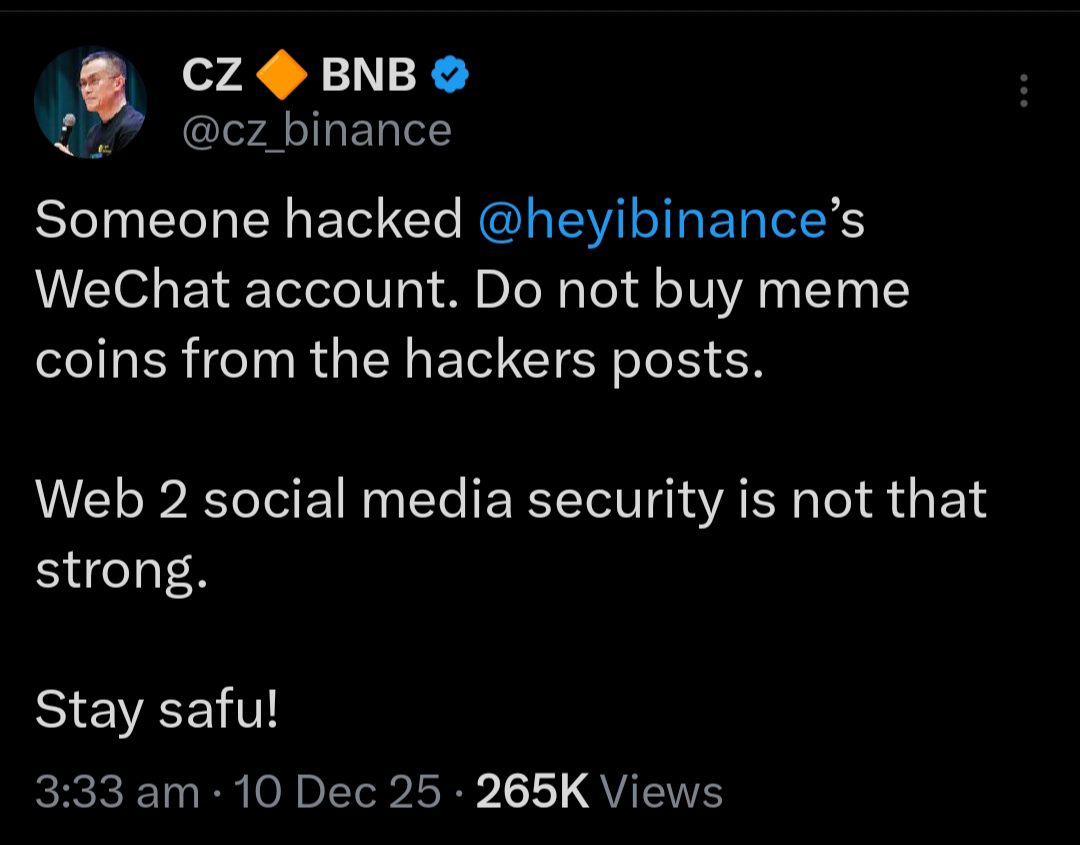
The cryptocurrency world recently faced a stark reminder of its vulnerabilities when Binance co-CEO Yi He’s WeChat account was compromised. This breach led to a memecoin pump-and-dump scheme, netting the perpetrators 55,000 USDT. The incident underscores a persistent threat: even high-ranking industry figures are susceptible to social engineering and account takeovers, fueling fears of widespread manipulation.
This hack highlights a dangerous reliance on social media hype within the crypto sphere. While the breach may seem isolated, its ripple effects could erode trust and pave the way for future scams leveraging compromised accounts of prominent individuals. It is crucial to understand the implications of such breaches and how they impact the overall security and trust within the crypto community.
Details surrounding the exact method of the hack remain scarce, but the consequences were swift. Hackers exploited Yi He’s WeChat account to promote an unverified memecoin, capitalizing on her reputation and influence within the Chinese crypto community.
Binance quickly responded, issuing a warning on X and clarifying that neither executives nor staff would ever endorse unaudited tokens through personal channels. The exchange urged users to treat any such promotions, even those seemingly from trusted figures, with extreme skepticism. This proactive stance marks a significant step in Yi He’s leadership, particularly given her long tenure as a visible executive at the company.
Binance’s Response and Internal Review
The exchange has initiated internal reviews of account security protocols and public-facing communications. The goal is to fortify defenses against similar attacks and ensure that official information channels remain uncompromised.
Binance reiterated its commitment to user safety, emphasizing the importance of independent verification. The company reminded users that endorsement from a high-profile individual does not guarantee the legitimacy of a token.
This incident perfectly illustrates the dangers of memecoin mania, where social media sentiment often trumps fundamental analysis. Many retail investors are drawn to the allure of quick profits, making them vulnerable to scams orchestrated through social media platforms.
The core issue is that trust in crypto is often built on perception rather than rigorous due diligence. Attackers are adept at exploiting this dynamic, as this case demonstrates. Even executives at the world’s largest exchange are not immune to these tactics.
“Verify information independently, ignore hype-driven endorsements, and assume that no token is legitimate simply because a high-profile name appears beside it.”
The Yi He WeChat hack serves as a crucial wake-up call for the entire crypto industry. It reinforces the need for enhanced security measures, robust user education, and a healthy dose of skepticism when navigating the often-turbulent waters of social media-driven investment.
The incident also highlights the importance of personal responsibility. Investors must take ownership of their decisions, conduct thorough research, and resist the urge to blindly follow the crowd.
Moving forward, expect to see increased scrutiny of social media activity within the crypto space. Exchanges and regulatory bodies may implement stricter guidelines to combat misinformation and prevent future manipulation attempts. The long-term impact could be a shift towards a more mature and discerning investment landscape, where fundamentals outweigh fleeting trends.