The implications are significant, especially as mobile devices become increasingly central to our digital lives. While the average user might not be a direct target, the sheer scale of affected devices makes this a juicy target for sophisticated threat actors.
The vulnerability resides deep within the chip’s boot ROM, a critical piece of code that executes during the device’s startup. The boot ROM is designed to be immutable, ensuring a secure and trusted boot process. However, Ledger’s team discovered a way to bypass these protections using electromagnetic fault injection, essentially glitching the chip at a precise moment to gain control.
The problem? Boot ROM is baked into the hardware at the factory. Unlike software, it cannot be patched or updated after manufacturing. This means that any device using the affected MediaTek chip is permanently vulnerable.
Electromagnetic fault injection (EMFI) is a sophisticated attack technique that involves injecting electromagnetic pulses into a chip to disrupt its normal operation. By carefully timing and shaping these pulses, attackers can induce errors in the chip’s execution, allowing them to bypass security checks or gain unauthorized access.
According to Ledger’s findings, the Donjon lab was able to achieve a success rate of 0.1% to 1% per attempt, allowing for a full compromise within minutes under lab conditions. This level of precision highlights the sophistication of the attack and the potential for real-world exploitation.
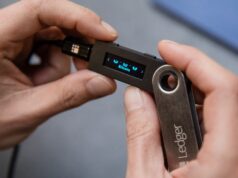
Ledger, best known for its hardware wallets, is keen to highlight the importance of secure, tamper-resistant chips in protecting sensitive data. Their research serves as a stark reminder of the inherent vulnerabilities in general-purpose computing devices like smartphones.
While Ledger isn’t explicitly recommending against using software wallets, the findings certainly underscore the added security benefits of hardware wallets, which rely on dedicated secure elements to protect private keys. In contrast, software wallets store private keys on the device’s main memory, making them more susceptible to attacks like the one demonstrated by Ledger.
While the immediate concern might be cryptocurrency security, the implications extend far beyond. Smartphones are used for everything from banking and payments to storing personal data and accessing sensitive information. A compromise of the underlying hardware could have devastating consequences for users.
The revelation comes at a time when cryptocurrency theft is on the rise. According to recent reports, hackers have already stolen $2.17 billion from cryptocurrency services in 2025, exceeding the total for all of 2024. This makes robust security measures more critical than ever.
Ledger’s discovery serves as a wake-up call for the entire tech industry. It highlights the need for greater investment in hardware security and more rigorous testing of chip designs. As our reliance on mobile devices continues to grow, ensuring the security of the underlying hardware is paramount.
The unpatchable nature of this flaw raises questions about the long-term security of millions of devices. While the practical challenges of exploiting this vulnerability in the real world are significant, the potential risks are undeniable. The incident reinforces the importance of adopting a layered security approach and being vigilant about the apps we install and the permissions we grant.