What Muse Image Does
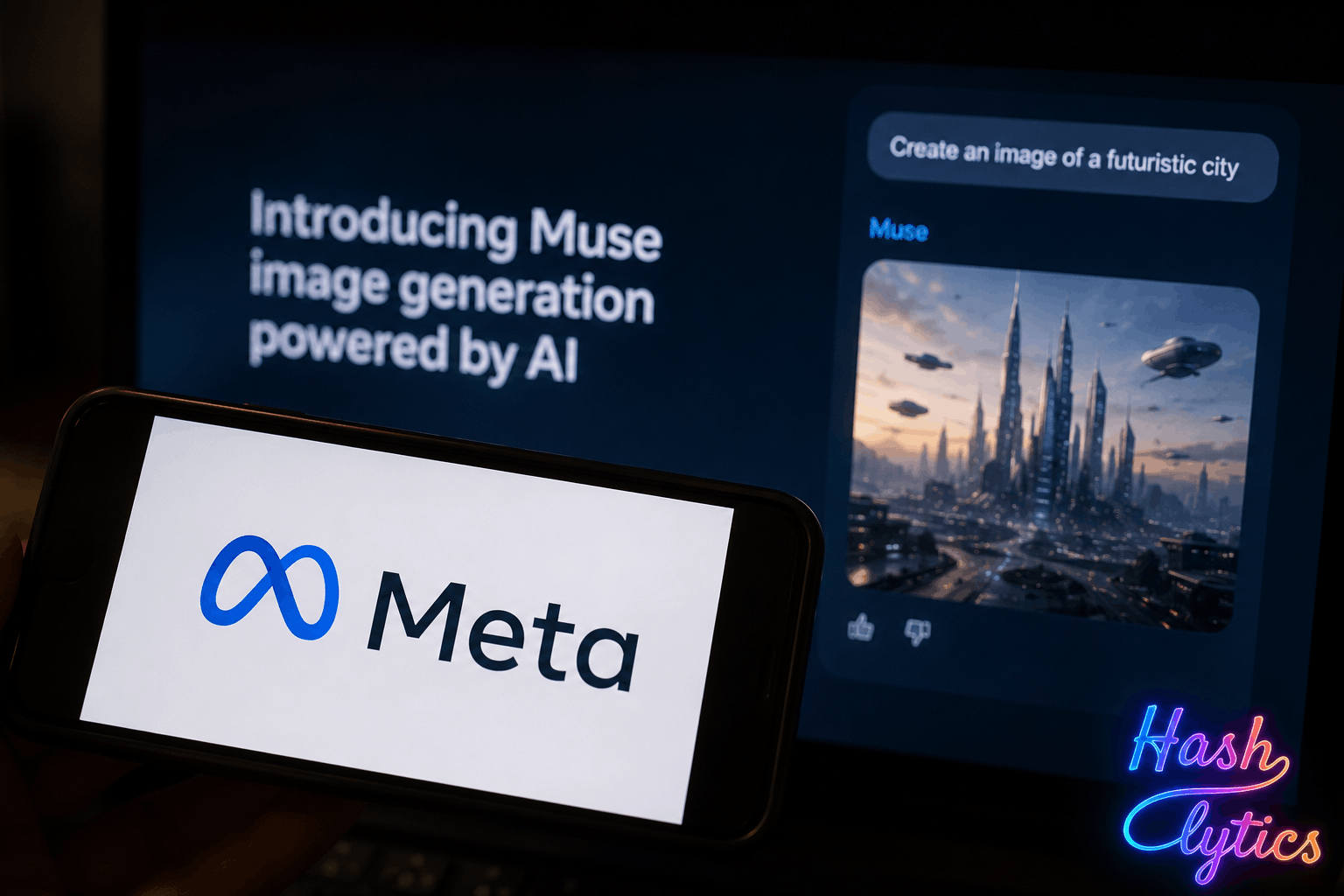
Muse Image is the first AI image generation model developed by Meta Superintelligence Labs. Users can describe visuals in conversational language, and Meta AI generates the images. This includes practical tasks like placing a user in front of a landmark or removing unwanted elements from photos.
The model offers several advanced capabilities. It can render text cleanly within generated visuals, making it useful for how-to guides and infographics. A presets panel suggests prompts for common tasks like restoring old family photos, trying new hairstyles, or transforming yourself into a Claymation character or 16-bit video game character.
One particularly practical feature lets users photograph a room and ask Meta AI to redesign it using real products sourced from the web or Facebook Marketplace. According to Meta, Muse Image works by pairing with the Muse Spark reasoning model, which helps plan image layouts, pulls in real-time web context, and blends multiple visual references before producing the final result.
How It Stacks Up
Performance testing shows Muse Image generally outperforms Google’s Nano Banana 2 on several benchmarks, though it trails OpenAI’s ChatGPT image generator. For user safety, all images generated with Muse Image carry an invisible watermark. Meta has also built in safeguards to prevent the tool from creating content that violates its terms of service, including child sexual abuse material.
Who Gets Access
For creators and casual users: Basic use of Muse Image through Meta AI is free, with expanded usage available through Meta’s subscription plans. Users can tag Instagram accounts within the Meta AI app to incorporate profiles into generated images.
For advertisers: Brands and agencies will gain access to Muse Image through Meta’s Advantage+ creative tools in the coming weeks. This allows them to adjust elements, swap styles, and generate on-brand ad variations more efficiently.
Meta plans to expand Muse Image to additional countries and integrate it across more surfaces, including Facebook, Messenger, Instagram, and WhatsApp. The company is also evaluating whether to make Muse Image available to outside developers.
The release follows Meta’s initial large language model launch in April and positions the company as a serious player in the AI image generation space, moving away from relying on third-party solutions.
Follow Hashlytics on Bluesky, LinkedIn , Telegram and X to Get Instant Updates