The Gyroid Problem
The original Animal Crossing for GameCube required players to save their progress by interacting with a Gyroid placed outside their in-game house. The game heavily encouraged saving to avoid Mr. Resetti, a mole character who would scold players for turning off the console without saving.
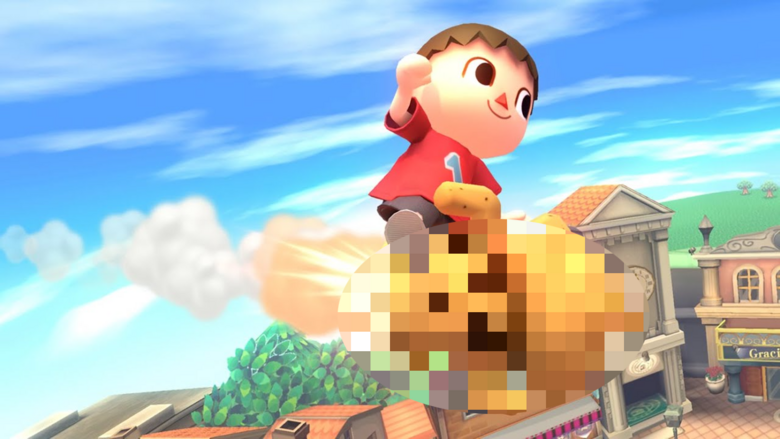
When parents watched their kids play, they saw these smooth, cylindrical objects and made an immediate assumption. In Sandbom’s words from an August 2004 Electronic Gaming Monthly interview: We got a lot of angry calls about Animal Crossing. A skin-colored hydrant in the game caused a stir with parents, who thought it looked like a wiggling penis. Our database even had a special page on dealing with the call.
The volume was significant enough that Nintendo’s hotline staff were given a prepared response to handle the complaints.
What Parents Didn’t Know
The Gyroids weren’t random design choices. They’re based on haniwa, ancient Japanese clay statues. In the Japanese version of Animal Crossing, they’re explicitly called haniwa, referencing their cultural origin directly. These historical artifacts were created to honor the dead in ancient Japan and were believed to protect the souls of the departed.
It’s unclear whether Nintendo ever explained this cultural context to the concerned parents who called. Even if they had, it’s questionable whether the explanation would have satisfied them.
A Lesson in Cultural Translation
The incident highlights a peculiar gap in how game design travels across cultures. What made perfect sense in Japan—referencing ancient burial traditions through a quirky in-game object—became a source of parental alarm in North America. Nintendo didn’t change the design, the calls eventually stopped, and the Gyroids remained a fixture of the Animal Crossing series.
The whole thing serves as a reminder that sometimes the most innocent design choices can spark the most unexpected controversies.
Follow Hashlytics on Bluesky, LinkedIn, Telegram and X to Get Instant Updates