The Price Shock Begins
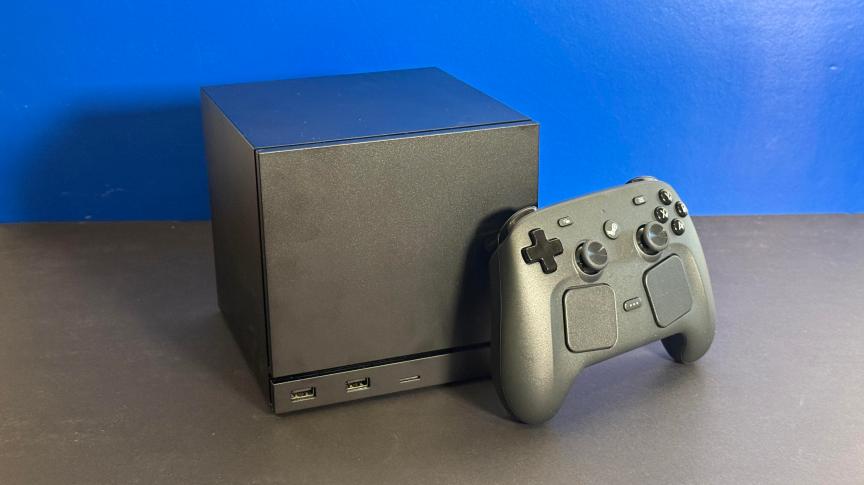
Valve kicked off the trend. On June 29, the company launched its Steam Machine at $1,049 for the base model. That’s console-level pricing, except this is a device most players have never heard of.
Sony followed with a bigger move. The PlayStation 6 will be entirely digital. No disc drive. No option to buy physical games or resell them later. The company justified this by citing fiscal year data showing 85% of new games now sell digitally. It’s a convenient statistic that ignores the millions of players who still prefer owning their games.
Microsoft went in another direction: cuts. The company announced layoffs affecting 3,600 Xbox employees and closure of four studios, including Double Fine and Ninja Theory. Xbox CEO Asha Sharma called the management structure “fragmented.” Translation: the company’s strategy isn’t working, and employees are paying the price.
Nintendo set a precedent earlier. In 2025, the company began charging $80 for new games. Its May release, Yoshi and the Mysterious Book, established the higher price point. That pricing has now spread industry-wide, with titles like Grand Theft Auto VI adopting the $80 tag.
Why Everything Costs More
The gaming industry faces a severe RAM shortage that’s pushing up prices across consoles, handhelds, and PC components. Analysts predict this shortage will continue until at least 2028.
Valve chose not to absorb these costs. Instead, the company passed them directly to consumers, making the Steam Machine the first console-like device to cross the $1,000 threshold. Upcoming systems like the PlayStation 5 Pro at $900 and the PlayStation 6 are expected to exceed $1,000 as well. Microsoft’s Project Helix will likely follow the same pattern.
What Digital-Only Really Means
Sony’s move to all-digital with the PlayStation 6 deserves scrutiny. When you buy a digital game, you’re not buying anything. You’re licensing it. Sony demonstrated this power on June 29 by removing purchased movies from digital libraries without warning. Players who thought they owned these titles discovered they owned nothing.
This shift impacts physical retailers like GameStop, which closed over 1,300 locations in two years. But it impacts players more directly. Without disc drives, there’s no resale market. No borrowing games from friends. No ownership at all. Just a license that Sony can revoke whenever it wants.
The Layoff Toll
Microsoft’s decision to cut 3,600 jobs and shutter studios like Ninja Theory reflects deeper problems. The company spent billions acquiring Activision and Bethesda, yet can’t seem to stabilize its gaming division. The industry-wide layoff crisis has worsened significantly in 2026 compared to 2025, with no signs of stopping.
These aren’t just statistics. Developers lost jobs. Studios closed. Projects got cancelled. The instability compounds an already expensive market.
The Question Ahead
Console pricing has crossed $1,000. Game prices sit at $80. Digital-only libraries mean no resale market. And the companies making these products are laying off thousands while claiming financial instability.
The real question isn’t whether gamers will accept this new normal. Many don’t have a choice. The question is whether competitors will break ranks. Will Microsoft’s Project Helix keep a disc drive to differentiate itself from Sony? Or will the entire industry move in lockstep toward maximizing prices and controlling what players actually own?
For now, the momentum suggests everyone’s moving in the same expensive direction.
Follow Hashlytics on Bluesky, Facebook, LinkedIn, Telegram and X to Get Instant Updates