Amazon’s FCC Application Details
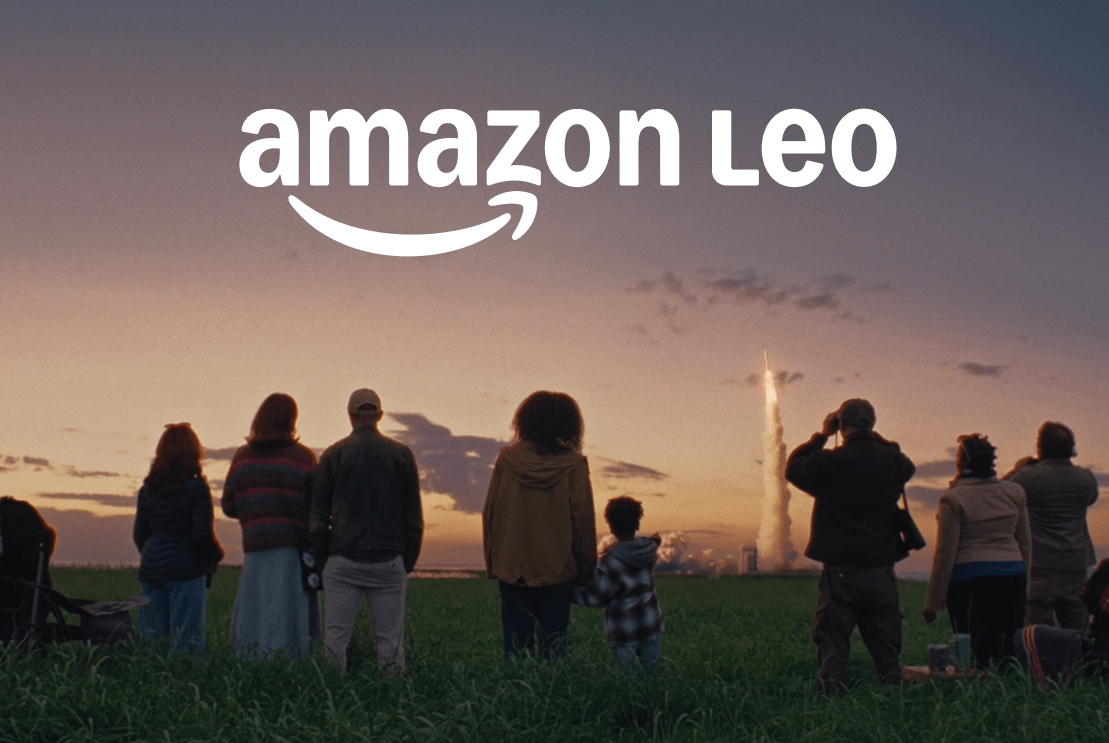
Amazon submitted an FCC application for a new Low Earth Orbit (LEO) satellite constellation. The network would deliver direct-to-device satellite services including voice, messaging, data, and emergency communication.
The company plans to deploy 5,105 satellites starting in 2028, pending FCC approval. Amazon plans to partner with mobile network operators on this service, mirroring Starlink’s existing collaboration with T-Mobile.
Leveraging Globalstar and Apple Partnership
The new constellation will utilize Globalstar’s spectrum, which Amazon acquired earlier this year. That acquisition included the deal to provide direct-to-device satellite services for Apple devices.
Amazon intends to collaborate with Apple on future satellite services leveraging the expanded network. This move positions Amazon as a key player in the direct-to-device satellite market, securing partnerships that could drive adoption across consumer devices.
Broader Spectrum Ambitions
The FCC application also requests spectrum from Iridium’s satellite network for service outside the US. Advanced Television reported this detail. Rocket Lab is currently acquiring Iridium with plans for expansion, creating potential opportunities for infrastructure collaboration.
The direct-to-device service will complement Amazon’s existing Project Kuiper broadband services. It will also support critical applications like disaster response and emergency messaging. The new satellites will process signals in orbit to enhance performance and reduce latency.
Scale Compared to Project Kuiper
This new constellation is nearly double the size of Amazon’s initial Project Kuiper constellation. Here’s how they compare:
- New direct-to-device constellation: 5,105 satellites
- Project Kuiper constellation: Approximately 3,200 satellites
- Project Kuiper progress (as of July 2): Over 375 satellites already launched
Amazon continues its rapid deployment schedule, with regular launch updates showing consistent progress. The company is clearly betting heavily on satellite infrastructure as a core part of its future business.
Amazon now faces a critical hurdle: FCC approval for this massive new network. The timeline is aggressive—launching by 2028 means hardware development, testing, and regulatory clearance all need to accelerate simultaneously.
If approved, Amazon would operate two separate satellite networks serving different purposes. Project Kuiper focuses on broadband for underserved areas. This new constellation targets mobile connectivity for devices already in users’ hands. Together, they represent Amazon’s vision for space-based infrastructure as a fundamental part of global communications.
The real question isn’t whether Amazon will build this. It’s whether the FCC will clear the path fast enough to meet their timeline, and whether partnerships with Apple and mobile operators will translate into actual market adoption when the service launches.
Follow Hashlytics on Bluesky, LinkedIn, Telegram and X to Get Instant Updates