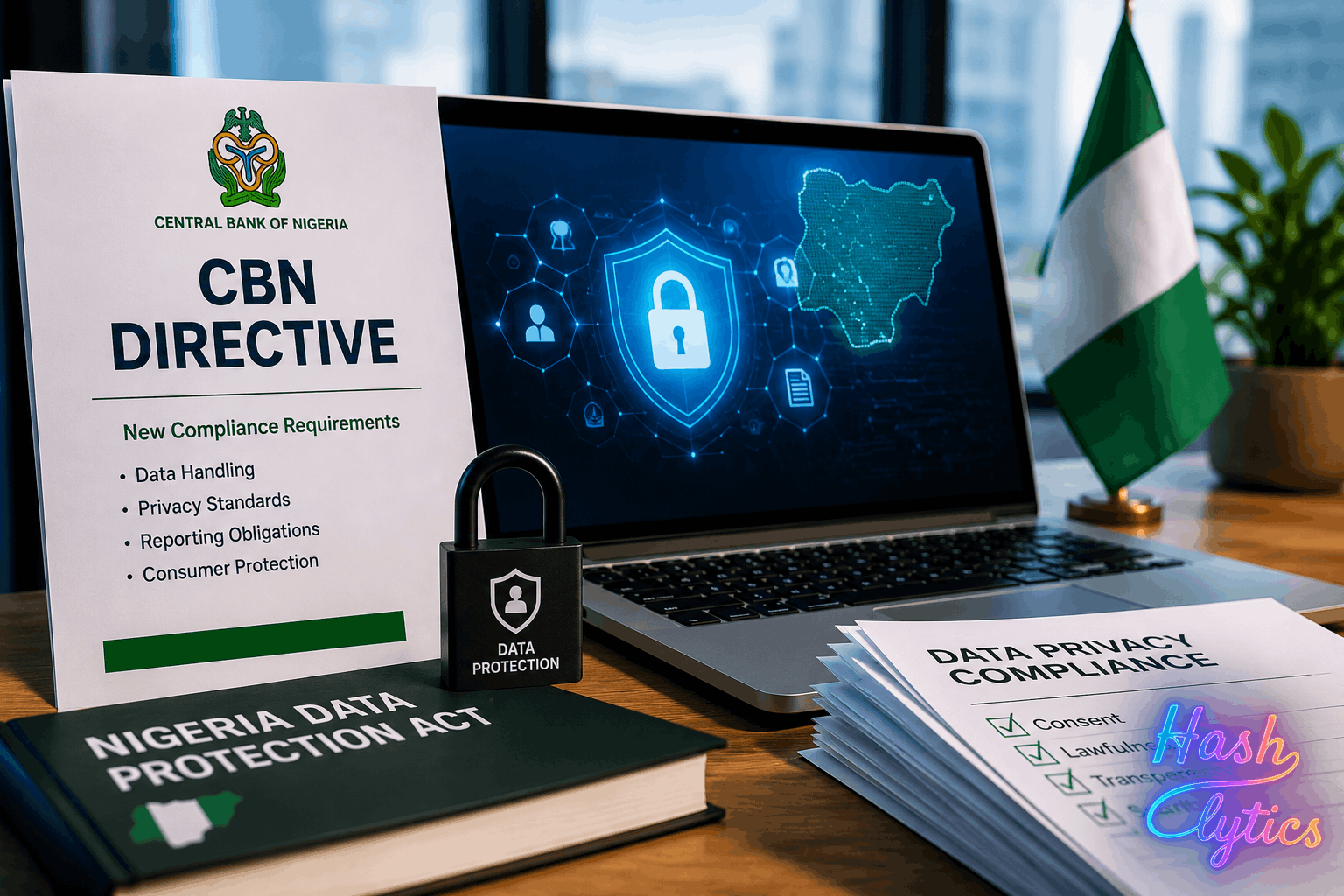
What the CBN Mandate Requires
The circular, issued June 15, 2026, applies to deposit money banks, microfinance banks, mobile money operators, and payment solution providers. The requirement is straightforward: all Nigerian payment transaction data must remain within Nigeria’s borders, stored on in-country data centers and servers.
This isn’t a new concept. Bodies like the Nigerian Information Technology Development Agency (NITDA) previously issued similar guidelines for sovereign data. But the CBN’s enforcement mechanism and tight timeline give this mandate real teeth.
The Strategic Rationale Behind Data Localization
The directive serves multiple purposes, each pointing to a different concern.
- Regulatory oversight: Keeps sensitive financial data under direct CBN supervision, reducing risks of unauthorized access or misuse outside Nigeria
- Economic stimulus: Expected to drive investment in domestic data centers and cloud services, creating jobs and encouraging technological advancement
- Digital sovereignty: Keeps critical financial infrastructure under national control rather than dependent on foreign providers
- Law enforcement: Local storage streamlines investigations into financial crimes and cybercrimes
The underlying message is clear: Nigeria wants to own and control its financial data ecosystem rather than rely on international infrastructure providers.
The Infrastructure Problem Nobody’s Talking About
Here’s the uncomfortable truth: Nigeria likely doesn’t have enough local data center capacity to handle this mandate by January 2027. The directive creates urgent demand for infrastructure, but building data centers takes time. Most require significant capital investment, regulatory approval, and technical expertise.
Financial institutions face competing pressures. They need to migrate vast amounts of data, ensure zero downtime during transition, and maintain compliance with existing security standards. All within six months.
The CBN hasn’t specified whether exemptions or phased timelines will be available for institutions that can demonstrate good-faith efforts to comply. That ambiguity is already creating anxiety in the sector.
What Financial Institutions Must Do Now
Waiting until December won’t work. Institutions need to act immediately on several fronts:
- Data mapping: Identify which datasets fall under the mandate. Not all data requires localization, but financial institutions need clarity on what counts as “payment transaction data”
- Vendor assessment: Evaluate local infrastructure providers and their capacity to handle your organization’s data volume and security requirements
- Governance framework: Appoint a Data Protection Officer (DPO) and embed privacy-by-design principles into your systems
- Risk assessment: Conduct a Data Protection Impact Assessment (DPIA) to identify migration risks before they become crises
- Compliance support: Engage a licensed Data Protection Compliance Organisation (DPCO) to ensure adherence to the Nigeria Data Protection Act (NDPA) 2023
- Third-party contracts: Review and update agreements with service providers to include data residency obligations
The Real Timeline
January 1, 2027 is not a suggestion. The CBN has made clear this is a hard deadline for full compliance. For most institutions, this means decisions need to be made by August 2026 to allow time for implementation and testing.
The institutions that move fastest on vendor selection and infrastructure planning will avoid the bottleneck that’s inevitably coming as everyone rushes to comply simultaneously. Those that wait until September or October will likely face either sky-high pricing from overwhelmed local providers or risk missing the deadline entirely.
The CBN’s directive reflects a legitimate policy goal, but the execution risk is real. Whether Nigeria’s infrastructure can support this transition remains the critical unknown.
Follow Hashlytics on Bluesky, LinkedIn, Telegram and X to Get Instant Updates