Seoul Consolidates Dual Cloud Certifications Into One NIS System
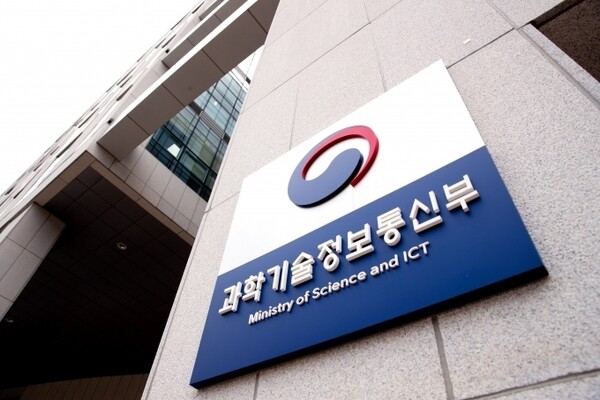
The Ministry of Science and ICT and the National Intelligence Service announced on April 20 that they will unify cloud market verification procedures under a single NIS system. Currently, companies must obtain the ministry’s Cloud Security Assurance Program (CSAP) certification before undergoing a separate NIS security review. The new framework eliminates this two-step process, streamlining administrative requirements while maintaining security standards for public cloud services.
Companies holding valid CSAP certifications before the transition will retain their credentials. The government will revise the National Cloud Computing Security Guidelines in the first half of 2024, followed by a one-year grace period before full enforcement begins in the second half of 2027.
Why Korea Is Restructuring Cloud Security Standards Now
The dual certification system has created inefficiencies that discourage innovation. Cloud companies face overlapping compliance requirements, administrative delays, and duplicated security assessments. By consolidating under a single NIS verification framework, Seoul aims to reduce bureaucratic friction while strengthening overall security posture for public cloud infrastructure.
The transition also aligns with broader regulatory modernization. Verification items will be recalibrated to reflect cloud technology characteristics, addressing gaps in older security frameworks designed for traditional infrastructure. Additionally, the ministry plans to integrate private-sector cloud self-regulatory certification with the Information Security Management System (ISMS), creating a unified security standard across corporate information protection.
Implementation Timeline and Transition Support
To ensure smooth adoption, a public-private verification review committee comprising ministry officials and experts from industry, academia, and research will oversee the transition. The committee will validate that verification procedures remain fair and consistent. Existing CSAP assessment bodies will contribute their expertise to the new system, preserving administrative continuity and preventing wasted investments by companies already certified under the old framework.
Ryu Je-myeong, second vice minister at the ministry, stated that the government will cooperate with the NIS to support our companies so they can overcome the security hurdle easily and quickly.
Kim Chang-seop, third deputy director at the NIS, emphasized that the policy focused on resolving the difficulties of companies that have suffered inconvenience due to dual regulation and on raising the security level of public-use clouds.
What Comes Next
Seoul’s consolidation signals a shift toward efficiency-driven regulatory reform in cloud infrastructure. Watch for the revised National Cloud Computing Security Guidelines in H1 2024 and monitor how industry feedback shapes the grace period implementation before 2027 enforcement. Success here could signal Seoul’s readiness to streamline other tech certifications, from AI systems to semiconductor standards.
Follow Hashlytics on Bluesky, LinkedIn , Telegram and X to Get Instant Updates