Mosseri Pushes Back on the Take a Break Feature
Mosseri defended the platform’s safety record during testimony, expressing frustration with the plaintiff attorney’s focus on the “take a break” feature’s early adoption rates. He pointed instead to numerous ongoing efforts aimed at improving safety and well-being on the platform.
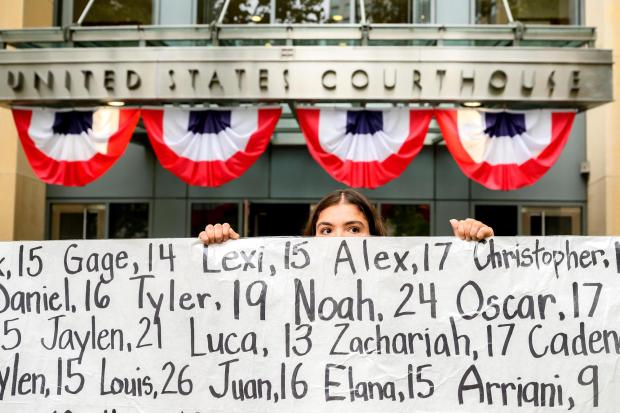
Meta faces a lawsuit from California, Colorado, Kentucky, and New Jersey, accusing the company of designing features that addict children to its platforms. The trial began last week in Oakland, California.
Jason Slothouber, a prosecutor from Colorado, questioned Mosseri on the “take a break” feature, which prompts users to step away after prolonged scrolling. While initial teen usage was low, Meta made it a default for teen accounts in 2024.
Internal Documents Show a Different Tone
Earlier in the trial, Instagram’s director of product design, Francesco Fogu, had contentious exchanges on the stand as jurors viewed internal documents and chats. One passage read: “As a company, we make different choices when it comes to regulatory response.”
The document continued: “Sometimes we don’t comply and accept a fine. Sometimes we comply in the most minimal or literal way possible.” Fogu repeatedly claimed he did not recall writing these words. Judge Yvonne Gonzalez Rogers eventually intervened, stating, “We get the point.”
Former Employee Says Safety Team Existed to Protect Meta
Former Meta employee George Volichenko also testified, stating that Instagram’s mental well-being team existed primarily to protect the company in future lawsuits. Volichenko worked in marketing analytics and data science for Meta across two separate stints.
He said his experience supported that view, citing limited agency and unclear leadership guidance. Volichenko’s team had argued for automatically enabling “take a break” for younger teens, an opt-out approach that would have increased feature usage by default.
Leadership rejected the proposal. Volichenko testified, “The tradeoff to core metrics was not desirable.” He left Meta a second time, saying, “I didn’t feel like the company at large was aligned with my values.”
What Comes Next
The four states in this trial are part of a larger group of 29 states that sued Meta in 2023. The remaining 25 states will proceed to trial separately at a later date. Meta also faces additional lawsuits in state courts, including one in Tennessee.
Mosseri previously testified in a Los Angeles state court trial earlier this year, where Meta and Google were found liable for harms caused by their platforms. The plaintiff in that case, identified only as “KGM,” received a $6 million award. Mosseri is scheduled to return to the stand Wednesday.
Follow Hashlytics on Bluesky, Facebook, LinkedIn , Telegram and X to Get Instant Updates