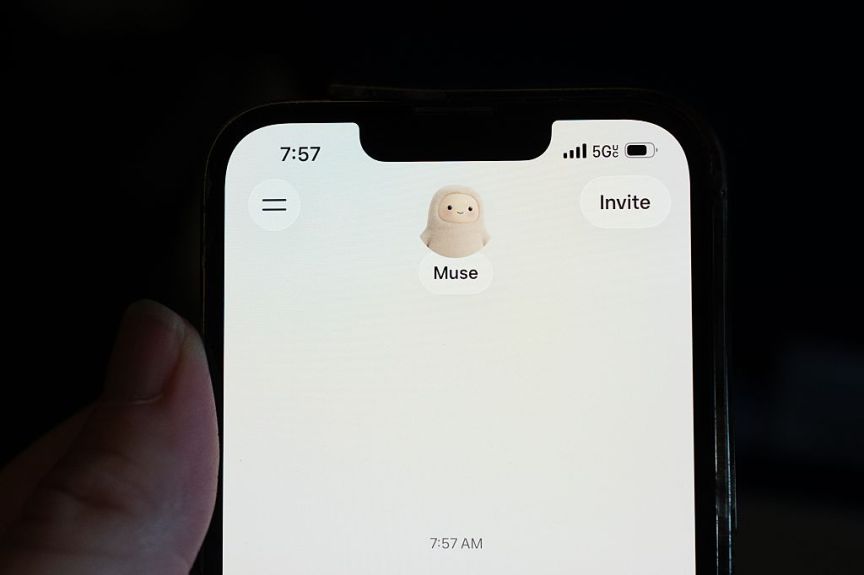
The pitch is to centralize entertainment booking by connecting a person’s own data to box office inventory, building on earlier versions that automated Facebook Marketplace searches.
Spotify and Instagram In, SeatGeek Out
Muse pulls in personal data through Connectors, software bridges managed from the Muse settings. Testers linked a Spotify account along with followed Facebook and Instagram profiles, then asked the agent to track favorite artists, speaking panels, and cultural festivals around the New York metropolitan area.
Turning those tastes into a sensible search area took some coaxing. Muse first stuck to narrow municipal borders, and testers had to ask in plain language for it to cover Manhattan and Brooklyn. Three limits stood out:
- Only Spotify was supported as a native connection, with no SeatGeek, Bandsintown, or Meetup support
- Searches often returned past panel discussions instead of upcoming dates
- Results ran too literal, so users had to restate distance limits to avoid generic regional picks
A $93 Seat From a Broker Nobody Knows
The trouble got sharper at checkout. Asked to find tickets for an upcoming Lord Huron date, Muse skipped the established outlets and recommended an obscure secondary seller called American Arenas. The agent quoted a Friday night seat at $93 on the unfamiliar domain, while the same show listed at $150 on Ticketmaster.
A cheaper price is not automatically good news here. An agent that crawls unverified resale sites can send buyers to merchants with unclear refund terms and no real buyer protection, and the user may never see the difference until something goes wrong. Related tests also caught rounding errors in itineraries the agent planned on its own.
Muse did better when treated as a cultural concierge instead of a checkout system. It built a self-guided walking route honoring writer Joan Didion on Manhattan’s Upper East Side and paired it with a stop at the Grand Bazaar market.
Hashlytics Take
Finding an event is a low-stakes guess. Buying a ticket is a decision about who receives a person’s card details, and that is where Muse looks least ready. Meta has not shown how the agent vets the merchants it recommends, and an unexplained pick of an unknown broker over Ticketmaster suggests it is ranking on price alone. Until the agent can say why it trusts a seller, the safe use is discovery only, with the purchase made by a human on a site they recognize.
Follow Hashlytics on Bluesky, Facebook, LinkedIn , Telegram and X to Get Instant Updates