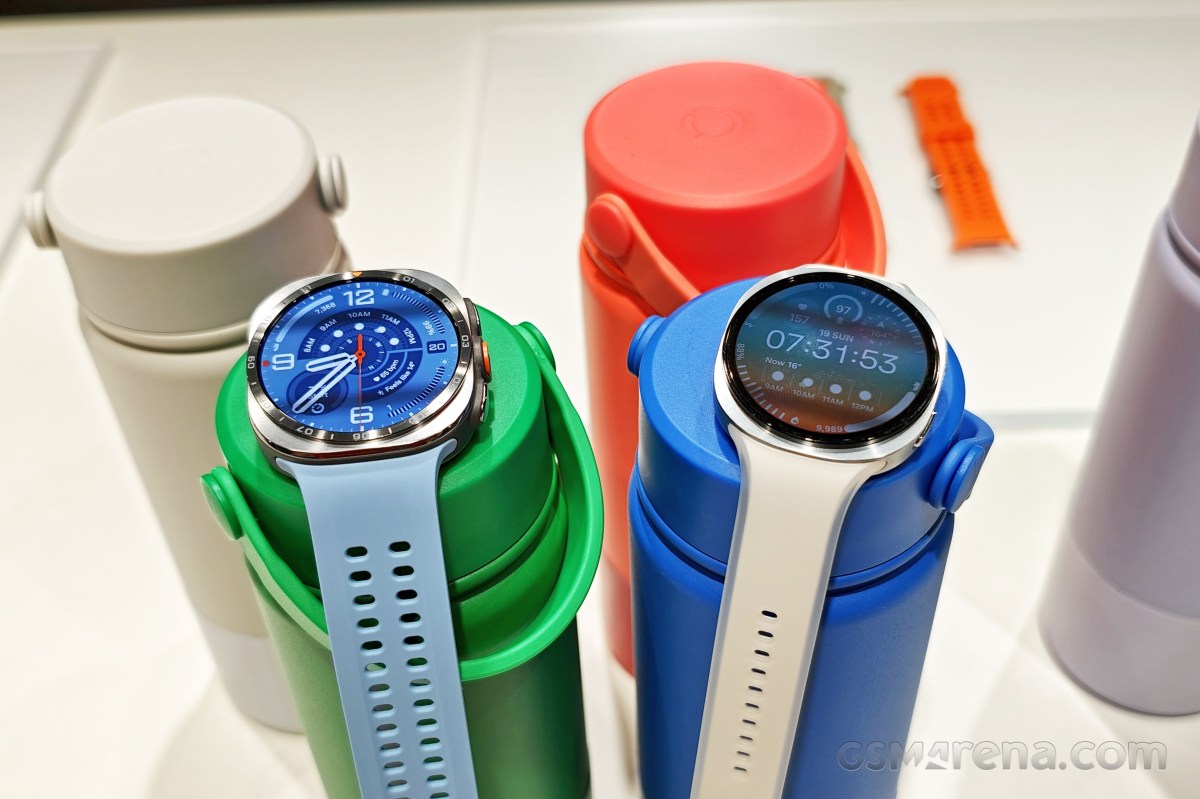
Both watches launch August 7, shipping with Wear OS 7 and Samsung’s custom One UI 9 Watch interface. The extended commitment immediately signals Samsung’s confidence in these devices and gives buyers a clearer reason to upgrade.
Why Five Years Matters
Wearable devices typically face shorter support cycles than phones or tablets. Samsung’s new five-year pledge directly addresses a legitimate consumer concern: the fear that last year’s smartwatch will become obsolete within a year or two of purchase.
This move could influence buying decisions for users prioritizing longevity and future-proofing their wearable tech investment. It also raises the bar for competitors like Google and Garmin, forcing them to reconsider their own update commitments.
Two Watches, Different Targets
Samsung is positioning these as distinct products for different use cases.
| Feature | Galaxy Watch Ultra2 | Galaxy Watch9 (40mm) | Galaxy Watch9 (44mm) |
|---|---|---|---|
| Display | 1.52″ AMOLED, 498×498 | 1.34″ AMOLED, 438×438 | 1.47″ AMOLED, 480×480 |
| Brightness | 5,000 nits peak | 3,000 nits peak | |
| Storage | 64GB | 32GB | |
| Battery | 800 mAh | 390 mAh | 445 mAh |
| Processor | Snapdragon Wear Elite SoC, 2GB RAM | ||
| Charging | 10W wireless | ||
The Ultra2: Built for Adventure
The Galaxy Watch Ultra2 targets the premium segment with a titanium frame, sapphire crystal display protection, and serious durability certifications. It meets IP68, IP69K, and MIL-STD-810H standards plus a 40-meter diving rating.
The brighter 5,000-nit display makes it genuinely usable in direct sunlight, and the larger 800 mAh battery provides extended runtime. This is the watch for active users who need their wearable to withstand harsh conditions.
The Watch9: Balance and Flexibility
Both Watch9 models share the same Snapdragon Wear Elite chipset as the Ultra2, but with half the storage (32GB) and more modest batteries. The 40mm and 44mm sizing options let users choose based on wrist size and personal preference.
The 3,000-nit peak brightness is still solid for most environments, and the 10W wireless charging keeps setup simple. For everyday wear and fitness tracking, the Watch9 delivers flagship specs without the rugged premium positioning of the Ultra2.
What This Means for Wearables
Five years of updates is now the benchmark Samsung is setting for its smartwatch line. It’s a straightforward message to consumers: buy this watch and it will remain current through 2031. That’s longer than most people keep phones.
For a wearable market where devices often feel outdated within 18 months, this commitment shifts expectations. Samsung is betting that longevity and consistent security updates will become key purchase drivers. Whether competitors follow or resist will shape the entire category over the next few years.
Follow Hashlytics on Bluesky, LinkedIn, Telegram and X to Get Instant Updates