confident safety decisions, a stance that signals a growing trend among major AI and tech firms choosing to stay private longer.
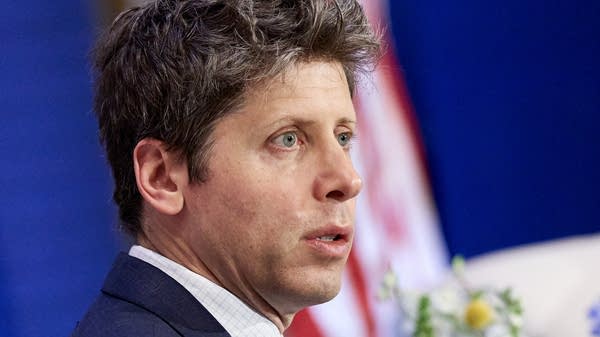
Sam Altman confirmed on Tuesday that OpenAI would delay its initial public offering, tying the decision to the company’s ability to ensure AI safety. He stopped short of referencing destroying humanity
scenarios directly. OpenAI isn’t alone in this approach. Oura, known for its health tracking rings, is also deferring its own IPO.
Who’s Actually Funding the Losses
Without public market access, OpenAI has to secure funding elsewhere, and the numbers explain why that funding needs to be substantial. The company reported a loss of $39 billion in 2025, a burn rate that traditional venture capital alone cannot sustain.
Jay Ritter, director of The IPO Initiative at the University of Florida, noted that OpenAI isn’t operating like a normal startup when it comes to fundraising. Its capital comes from a wide mix of sources:
- Major tech firms
- Sovereign wealth funds
- Mutual funds
- Hedge funds
- Wealthy families
- University endowments
- Pension funds
These are often the exact same investors who would otherwise be buying public stock once a company lists. OpenAI is simply giving them earlier access instead.
Why Investors Want In Before the IPO
Investors are increasingly moving into earlier funding rounds rather than waiting for a public listing. Greg Martin, co-founder of Rainmaker Securities, put the logic plainly. He’d rather invest in SpaceX at a $50 billion valuation than wait until it eventually hits a $1.75 trillion valuation on public markets.
Rainmaker Securities facilitates exactly this kind of private funding, and Martin has watched the pattern repeat. Startups are staying private longer and reaching massive valuations while still private, which means the biggest returns increasingly go to investors who get in before an IPO even happens.
Staying private benefits the companies too. They avoid the constant reporting pressure that comes with public shareholders. That said, public markets still offer something private capital can’t fully replicate. Sarah Kunst, managing director at Cleo Capital, pointed to liquidity as the one advantage that remains unmatched.
Hashlytics Take
Calling this a safety decision is doing a lot of work for a company sitting on a $39 billion annual loss. The capital sources listed here, sovereign wealth funds, pension funds, hedge funds, are not patient money waiting around for OpenAI to feel ethically ready. They’re the same investors who’d buy the IPO anyway, just getting in earlier and cheaper. Altman’s framing isn’t false, but it’s incomplete. The safety rationale and the funding math point to the same outcome either way, so the real story is which one is actually driving the decision.
Follow Hashlytics on Bluesky, Facebook, LinkedIn , Telegram and X to Get Instant Updates