-0.04%
-0.51%
+26.80%
-0.77%
+0.62%
+1.20%
Advancing Clear Regulatory Guardrails for Digital Assets
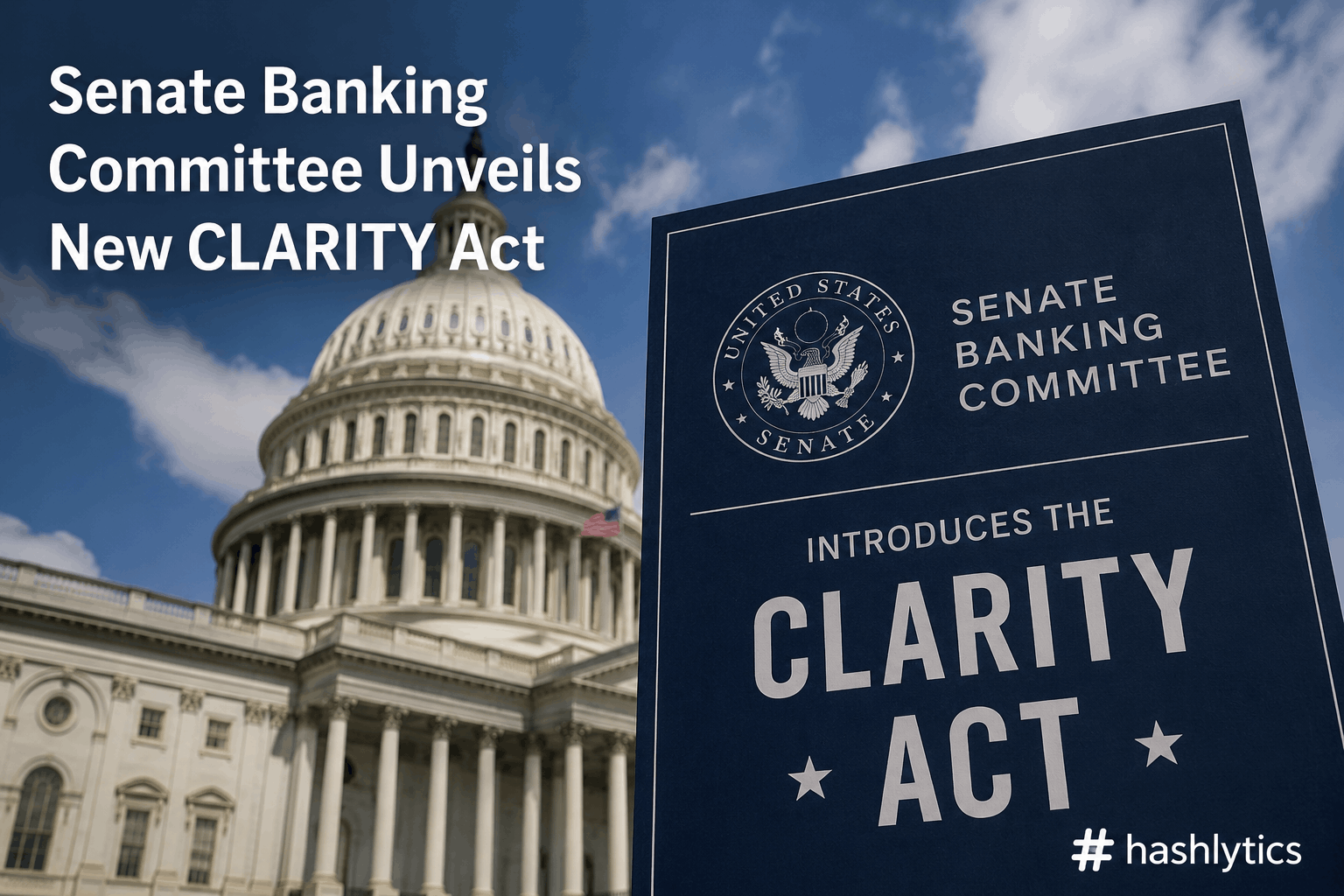
The CLARITY Act is designed to provide enforceable guardrails for digital asset markets. Its primary goals include safeguarding consumers and investors, combating illicit finance and security risks, and fostering innovation within the United States. However, the bill is not without controversy, notably for its provisions that seek to limit liability for decentralized software developers. It also wades into the ongoing debate surrounding whether stablecoins should be permitted to offer yield or yield-like rewards.
Shaping the Future Infrastructure of Digital Finance
Beyond the immediate concerns of crypto regulation, the Act carries broader implications for the future infrastructure of digital finance in the US. Supporters argue the legislation helps maintain a market-driven, decentralized approach by delineating governmental powers while preserving the autonomy of private developers and individual users. This debate extends far beyond simple crypto trading, influencing who will own and govern the next generation of financial rails.
As stablecoins, tokenized assets, and AI-driven financial agents continue their ascent, the rules governing this new infrastructure remain unsettled. The entities and platforms that ultimately control these new rails could wield influence comparable to today’s cloud providers, mobile operating systems, or card networks.
Delineating Securities, Commodities, and the Yield Battleground
A major objective of the CLARITY Act is to resolve the decade-long debate over whether digital assets constitute securities or commodities. Establishing clear criteria for when a token is treated as a security and when it can transition to a commodity will dictate operational requirements for exchanges and platforms, determine regulatory oversight, and specify disclosure obligations.
The issue of stablecoins paying yield has also been a significant point of contention between traditional banks and crypto firms. While banks express concerns about competition with deposits, crypto companies argue that restrictions would stifle innovation. Although the Act avoids the explicit term “yield” in relation to stablecoins, it establishes a framework that distinguishes digital assets based on whether they offer a financial return, such as interest. If a digital asset provides a right to interest, it would likely fall under securities laws, rather than being classified as a digital commodity or a permitted payment stablecoin. This intersects with parallel stablecoin legislation, such as the GENIUS Act, which aims to create a comprehensive regulatory framework for stablecoins.
US Competitiveness and Unresolved Debates
Proponents of the CLARITY Act emphasize its role in preventing the next generation of financial infrastructure from being built outside the United States. Jurisdictions like Europe, Hong Kong, the UAE, and Singapore have already advanced their own digital asset frameworks, such as the EU’s MiCA regulation. A lack of clear US regulatory guardrails could deter banks, fintechs, and crypto firms from innovating domestically.
Despite its potential passage, the CLARITY Act does not resolve every concern. Ongoing debates persist regarding AML protections, DeFi oversight, systemic risk, and consumer protection. The legislation provides greater regulatory transparency for crypto but also intensifies a broader discussion about governance over the future of digital finance as stablecoins, tokenized assets, and AI-driven financial systems become increasingly integral to global commerce.
Follow Hashlytics on Bluesky, LinkedIn , Telegram and X to Get Instant Updates