-0.15%
+0.34%
+0.01%
+5.68%
+4.26%
-0.46%
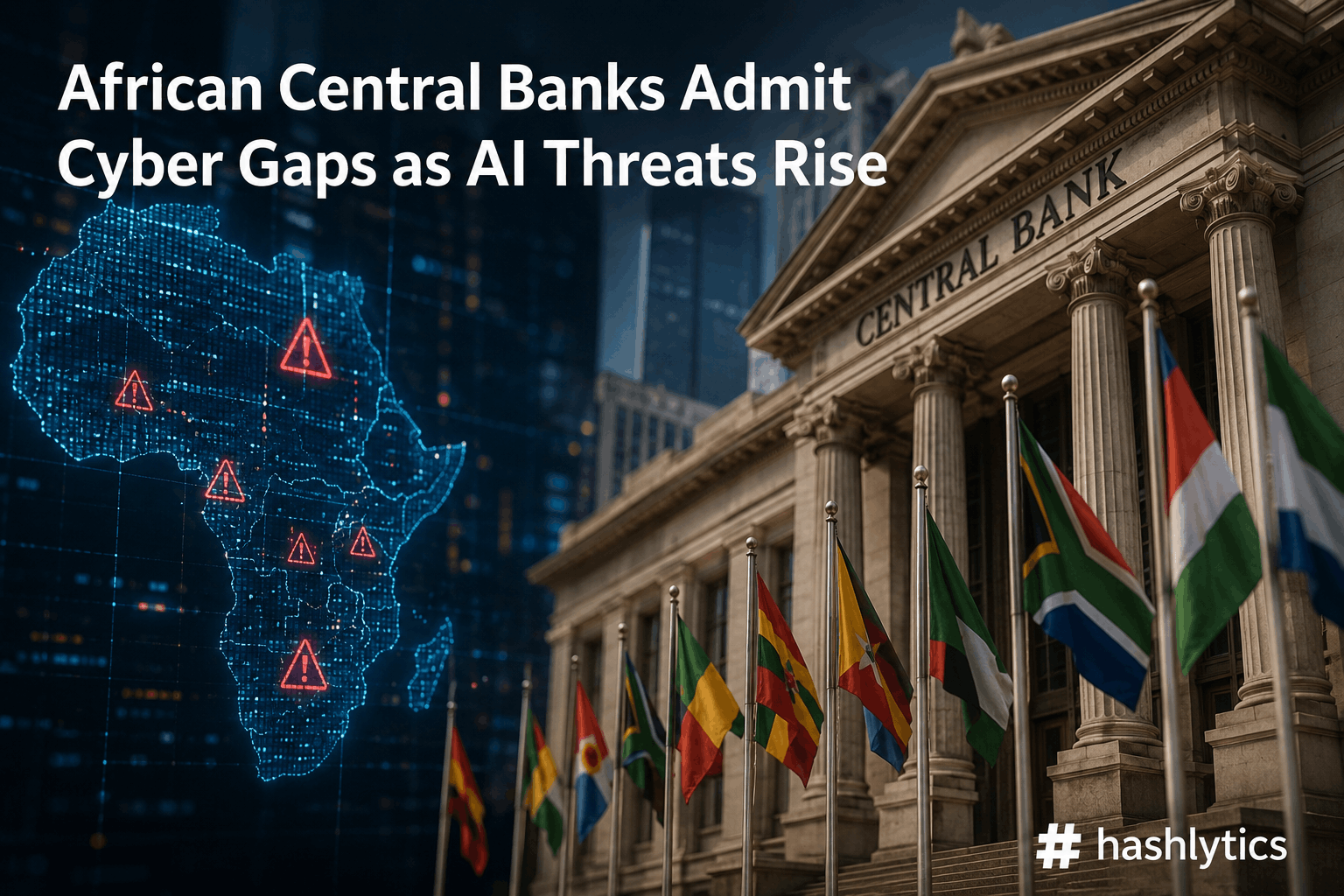
African central bank governors have issued a stark warning regarding the continent’s financial stability, admitting that current defenses are insufficient against a new generation of autonomous, artificial intelligence-driven cyberattacks. The cost of launching a sophisticated digital assault has plummeted from $1 million in 2000 to less than $1 today, creating a dangerous imbalance between attackers and regional financial institutions.
During the International Conference 2026 on Crypto-Assets and Digital Innovations held on May 8, 2026, top officials from the Democratic Republic of Congo, Botswana, and Tunisia publicly acknowledged critical gaps in their security infrastructure. The event, hosted by the BCEAO in Dakar, was broadcast on the organization’s official YouTube channel to highlight the urgency of the situation. André Wameso, governor of the Central Bank of The Congo, revealed that the position of Chief Information Security Officer did not even exist at his institution until he established it in late 2025 as a basic governance necessity.
Critical Security Metrics and Maturity Gaps in African Banking
The conference highlighted a significant disparity between the digital preparedness of African financial institutions and their global counterparts. According to data presented by Boston Consulting Group, the continent’s banking sector faces structural hurdles that make it a prime target for automated exploitation.
Here is a breakdown of the key statistics and metrics presented during the Dakar panel:
- Sophisticated Attack Cost (2000): $1,000,000
- Sophisticated Attack Cost (Today): Under $1
- Global Bank Security Budgets: $45 Billion
- DRC Unregulated Crypto Users: 3 Million
- African Cyber Maturity Score: 2.0 / 5.0
- Global Average Maturity Score: 3.4 / 5.0
Structural Obsolescence and the Rise of AI Exploitation
The vulnerability of the African financial sector is rooted in aging infrastructure and a lack of modern security protocols. Experts noted that unpatched mainframes and unprotected interfaces are now being autonomously scanned by AI agents seeking entry points into the banking system.
The following table illustrates the technical gap between African banking systems and global standards:
| Metric | African Average | Global Average | |
|---|---|---|---|
| Obsolete Core Banking Systems | 25% to 50% | 10% to 15% | |
| Modern Authentication Usage | Under 10% | Over 80% | |
| Cyber Maturity Rating | 2.0 | 3.4 |
The Regulatory Race Against Unregulated Crypto Adoption
The rise of digital assets further complicates the security landscape, as millions of citizens utilize wallets provided by telecommunications operators without formal oversight. Kealeboga Masalila, deputy governor of the Bank of Botswana, argued that cybersecurity governance must now extend to these third-party providers and mobile operators to mitigate systemic risk. According to Ecofin Agency, the conference concluded without a binding regional framework, though West African authorities are expected to propose new regulations in the coming months.
Immediate Policy Adjustments and Future Oversight
Mourad Abdessalem, deputy governor of the Central Bank of Tunisia, urged international bodies like the IMF to accelerate the rollout of statistical standards for crypto-assets. Currently, many African central banks must rely on unofficial estimates to track external financial positions. The next phase of regional stability will depend on how quickly these supervisors can translate these public admissions into pooled cyber infrastructure and updated prudential supervision that holds bank boards directly accountable for security failures.
Follow Hashlytics on Bluesky, LinkedIn , Telegram and X to Get Instant Updates