This matters most for Steam Deck owners and users running DIY Steam Machines with older or budget graphics cards. The improvements should deliver noticeably smoother gameplay, especially when pushing higher resolutions.
What Changed: Better VRAM Management
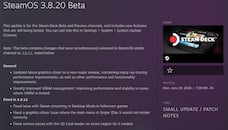
The core improvement addresses a common bottleneck for discrete GPUs with restricted memory. Valve’s official update notes describe it simply: “Greatly improved VRAM management, improving performance and stability in cases where VRAM is limited.”
Vock’s initial patches focused specifically on improving VRAM usage on Linux for discrete GPUs with 8 GB or less. Testing on platforms like CachyOS showed substantial gains. Some games that were barely playable before became noticeably smoother on older hardware, with performance nearly doubling in certain scenarios.
Mesa 26.1.2 Driver Gets a Major Upgrade
Beyond VRAM fixes, the beta also bumps the Mesa graphics driver to version 26.1.2. This brings several important additions to the table.
The new Mesa version adds support for various ray tracing features and improves compatibility with newer Intel GPU hardware. Frame rates and shader compilation under both OpenGL and Vulkan APIs get better stability across the board. These are the kinds of foundational improvements that quietly make everything work better.
Bug Fixes That Matter
The update also squashes several reported issues. It fixes problems with the SSD card reader on the Legion Go S, resolves streaming hiccups in desktop mode, and patches a graphics driver bug that was preventing Sniper Elite 5 from rendering correctly.
Who Benefits Most
The biggest winners here are Steam Deck users and anyone running DIY Steam Machines with discrete graphics. Higher resolution gaming should feel noticeably smoother.
If you’re using integrated GPUs (built into your processor), you won’t see much benefit. Integrated graphics already share system memory with VRAM, so they operate differently than discrete GPUs and don’t face the same memory constraints this update targets.
The beta is live now for anyone opted into SteamOS testing. If you’re running older hardware or dealing with VRAM bottlenecks, it’s worth trying.
Follow Hashlytics on Bluesky, LinkedIn, Telegram and X to Get Instant Updates