What Changed and When
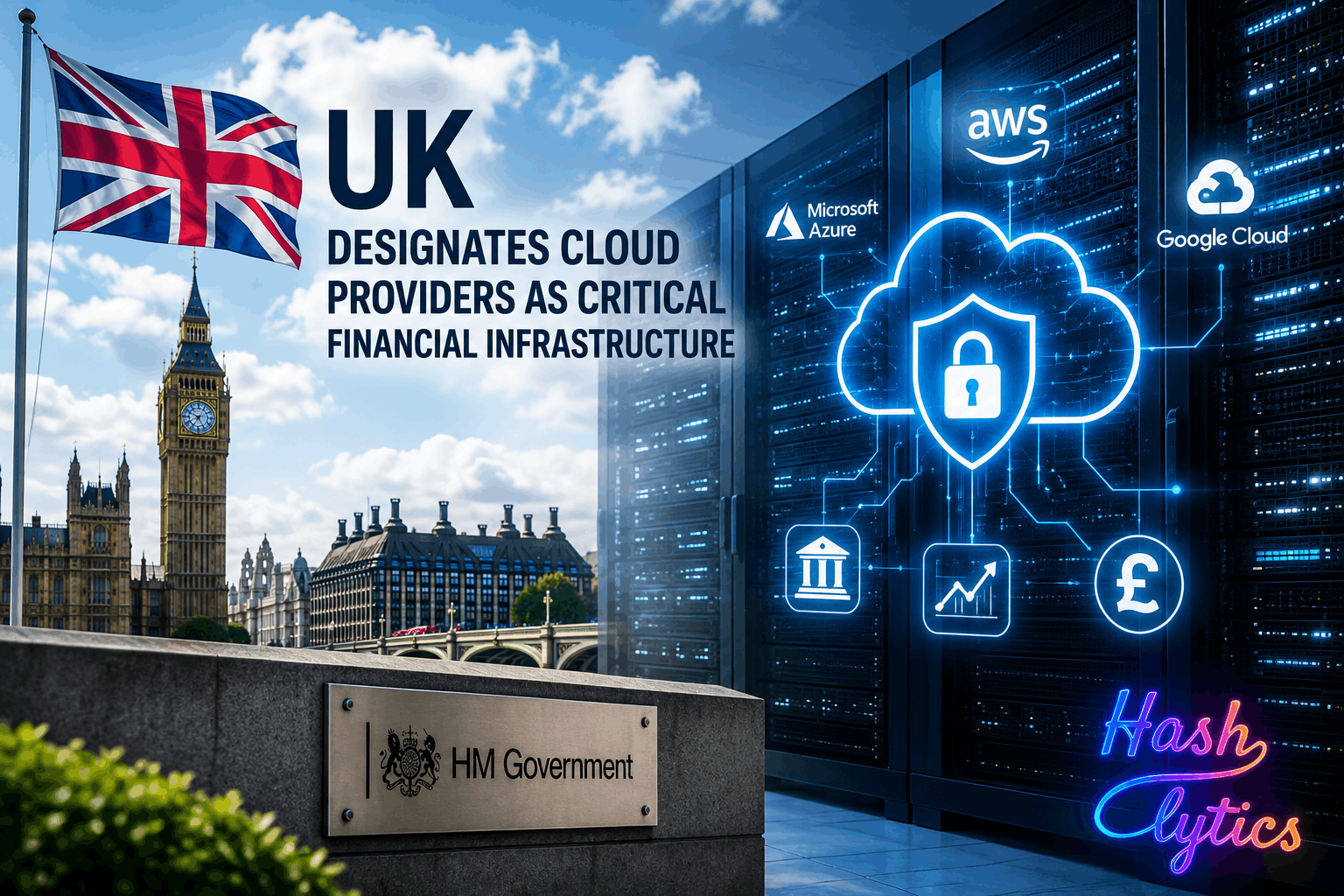
Effective , Britain labeled these four firms as critical third parties
to its financial industry. The Bank of England, the Prudential Regulation Authority, and the Financial Conduct Authority will now conduct direct oversight.
This is not advisory guidance or industry best practices. This is regulatory jurisdiction applied directly to the platforms themselves.
Why This Matters Now
Cloud platforms now underpin critical banking, insurance, and payment operations across the UK. A disruption at one major provider could ripple across multiple institutions simultaneously. The concentration risk is no longer theoretical.
Regulators faced a choice: unwind cloud adoption or acknowledge the reality and impose oversight. They chose the latter. This reflects a fundamental acceptance that modern financial infrastructure depends on a concentrated set of external platforms.
What Hyperscalers Must Now Do
The new framework imposes direct operational requirements on cloud providers:
- Resilience testing and validation
- Self-assessments of critical systems
- Mandatory incident reporting to regulators
- Transparency into shared infrastructure and dependencies
This shifts the conversation from vendor management to infrastructure resilience. Regulators are not trying to break up cloud concentration. They are managing the systemic risk that comes with it.
Banks Still Bear Responsibility
Direct regulatory oversight of hyperscalers does not remove the burden from financial institutions themselves. Banks must still architect robust systems that account for concentration risk.
A regulated cloud provider can still be a single point of failure if used poorly. Organizations need to understand shared control planes, cross-platform dependencies, and where their critical services actually run. True resilience requires transparency from vendors and architectural sophistication from users.
The Global Precedent
The UK’s move signals what other governments will likely follow. Cloud is moving from an enterprise technology choice to infrastructure policy. Regulators in the EU, US, and Asia are watching closely.
For CIOs and boards, the implications are immediate. The conversation can no longer focus solely on features, pricing, and feature parity. Resilience, concentration risk, regulatory posture, and systemic dependency now sit at the center of architecture decisions.
This regulatory shift will fundamentally alter how financial institutions design future cloud strategies. The days of cloud as a simple outsourcing decision are over.
Follow Hashlytics on Bluesky, LinkedIn, Telegram and X to Get Instant Updates