
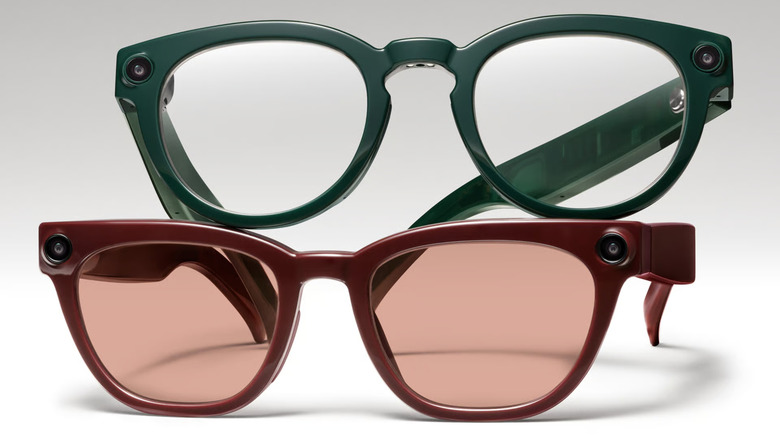
Co-founder and co-CEO Dave Gilboa put it plainly: One week from today, on November 12, we’ll begin accepting pre-orders for our first Intelligent Eyewear collection and look forward to delivering customer orders during the holiday season.
Whether that means arriving before Thanksgiving week or sliding into December is still unclear. Shoppers can already book in-store demo slots, but there is no price yet.
The glasses run Android XR, with hardware made by Samsung and Qualcomm chips inside. They are audio-only, with no in-lens display, and include a camera. Deep Gemini integration lets wearers ask about what they are looking at, and the feature list covers:
- Audio turn-by-turn directions
- Calls and message summaries
- Photos and video capture
- Live translation of speech and writing
- Third-party app actions, such as ordering an Uber
Google built the software and Samsung is making the hardware, while design houses including Warby Parker and Gentle Monster handle the frames. That mirrors how Google’s phone partners have spread Pixel-style launches across several retail channels. Gentle Monster is expected to release its own designs this autumn, but its availability on November 12 is not confirmed. Engadget asked Google about it and had not received a public response.
Camera Glasses Are a Harder Sell Than a Year Ago
The launch lands in the middle of a privacy backlash over Meta’s Ray-Ban glasses. Instagram is cracking down on videos shot with them after prank clips and footage of pickup artists secretly filming women in public spread across the platform. The trend has fueled privacy concerns around the glasses and earned them the online nickname “pervert glasses.”
Regulators are paying attention too. France, Germany, and the Netherlands are among the European countries considering bans on Meta’s smart glasses as authorities examine whether they comply with privacy law. German privacy advocates and regulators have warned the devices could enable covert recording and digital abuse. Google’s glasses take the same camera approach, so they should expect the same skepticism.
Price is the other open question. Nobody expects the $1,800 Samsung Galaxy XR headset tier, but a pair could still cost about as much as a decent phone.
Hashlytics Take
The camera is both the selling point and the liability. Asking Gemini about whatever you are looking at only works if the lens is always ready, and that is exactly what makes bystanders uneasy. Meta absorbed the first wave of that backlash, but Google will not get a free pass for arriving second; regulators in Europe are already writing the rules these glasses will have to meet. The earnings-call leak is a smaller signal with its own meaning: the retail partner, not Google, is setting the public pace. How Google handles the price, the shipping window, and a visible recording indicator will say more about this launch than the spec sheet.
Follow Hashlytics on Bluesky, Facebook, LinkedIn , Telegram and X to Get Instant Updates
