What OpenClaw Does
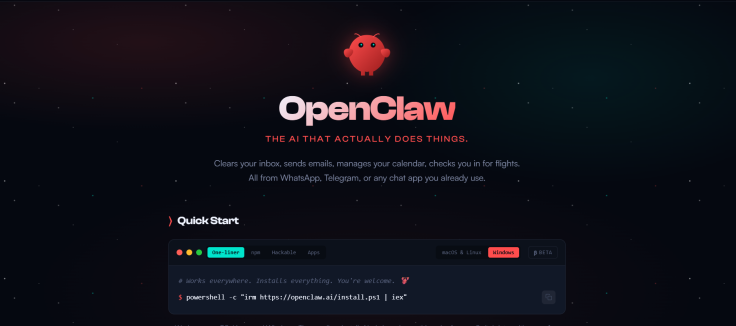
OpenClaw is designed as a self-hosted AI agent that lets users connect API keys from services like Claude, OpenAI, and Gemini. The chosen model then connects to content and tools on the user’s local Gateway machine, enabling the AI to interact with messaging apps, files, and browsers to complete tasks.
The new mobile apps function as companion nodes within this self-hosted setup. They’re not standalone chatbots, but extensions that give the agent access to smartphone capabilities like the camera, screen, location, photos, contacts, calendar, and reminders. The project was developed by Peter Steinberger, who joined OpenAI in February.
How Mobile Access Works
Users pair their iOS or Android device to an existing Gateway using a QR code or setup code. The apps support real-time and background voice mode, allowing users to chat with their agent and approve actions directly from their phone. They can share text, links, and media from iOS into OpenClaw, and the apps provide push notifications and node status updates.
The setup requires the Gateway to run on macOS, Linux, or Windows via WSL2. All keys, configurations, and data remain on the user’s machine, maintaining the local-first privacy approach that OpenClaw emphasizes.
Device Capabilities and Privacy Controls
The mobile apps unlock advanced workflows by extending the agent’s reach. For example, an agent could use the camera to capture field data tagged with GPS coordinates, or draft replies to incoming Android notifications. On iOS, the app supports Canvas for viewing and interacting with generated content.
Privacy-heavy commands like camera capture and screen recording are disabled by default. Users must explicitly allowlist these capabilities in their Gateway configuration. This granular permission system prevents the agent from accessing sensitive device features without approval.
OpenClaw’s Growing Reach
This release comes as OpenClaw gains broader attention. The platform initially gained viral attention earlier this year with MoltBook, a social platform populated by OpenClaw agents demonstrating the system’s capabilities. The move to mobile reflects broader adoption trends across the AI sector, with agents now extending into everyday productivity tasks.
The native iOS app is available free from the App Store, and the Android companion node is available on Google Play. Both require a running Gateway on a local machine to function, maintaining OpenClaw’s commitment to user control over their AI infrastructure.
Follow Hashlytics on Bluesky, LinkedIn , Telegram and X to Get Instant Updates