What Google Actually Added in 2026
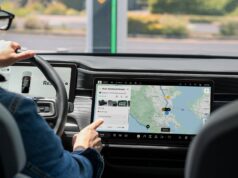
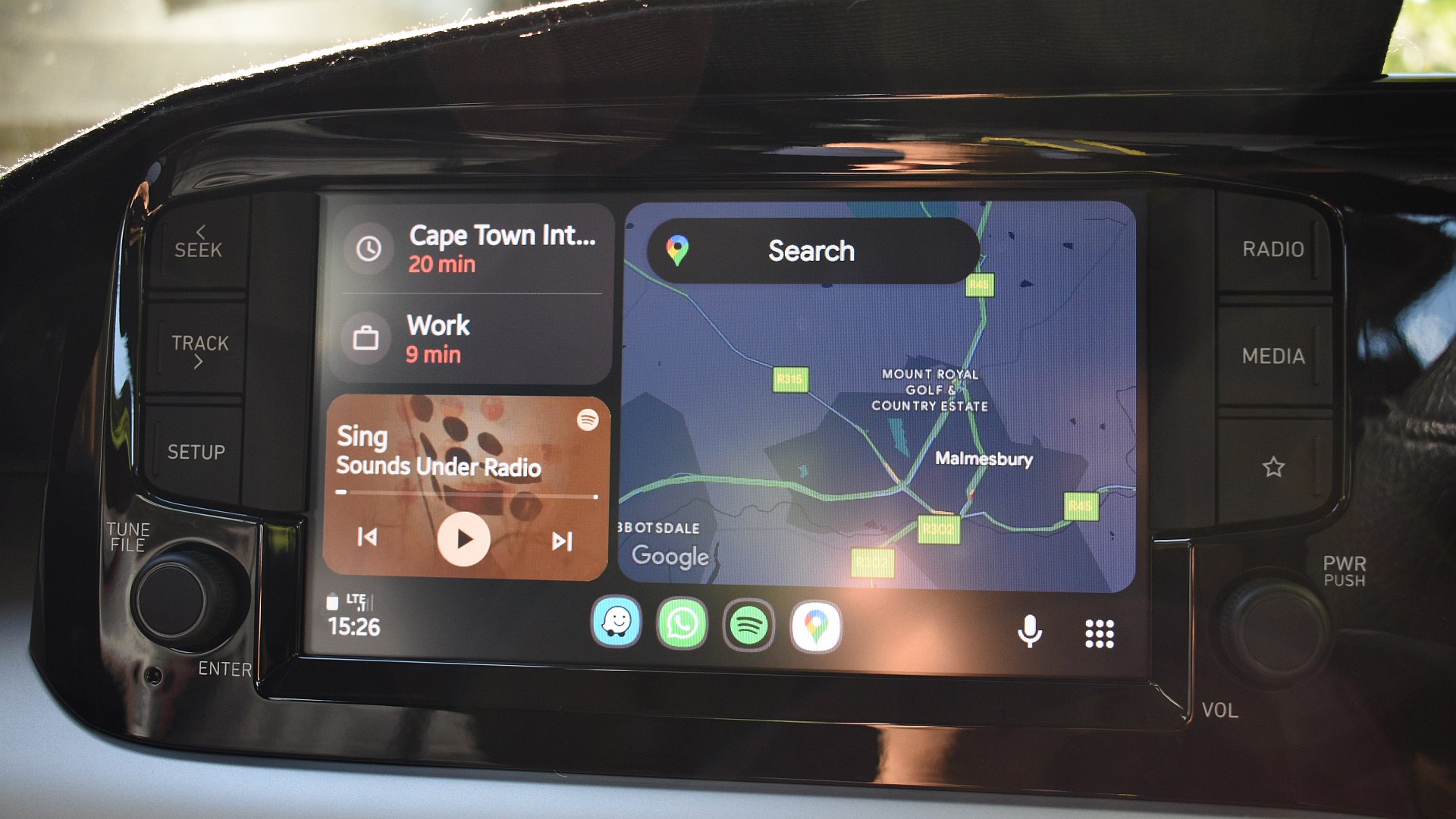
The platform now features immersive 3D navigation within Google Maps, video playback support for YouTube users, and home screen widget compatibility. More features are reportedly in development, according to Android Authority. The rollout has already reached some users’ dashboards.
Yet consumer feedback reveals that core functionality gaps persist. A user poll showed that 28% want more UI customization, while 27% prioritize Gemini improvements. Those numbers tell you what users actually need versus what Google thinks they need.
1. Gemini Is Too Chatty and Unreliable
The in-car Gemini assistant is a major frustration point. One user called Android Auto’s Gemini experience “horrible,” citing its overly chirpy demeanor and slow task completion. Changing navigation or playing music frequently encounters significant delays.
Users want specific response settings for Android Auto, including verbosity toggles and preferred tones. Profile settings for different driving situations, like “work” or “weekend,” would also help. A dedicated “Saved Info” page for Android Auto could customize responses further. Most urgently, drivers need a “Stop” word to halt Gemini’s rambling during heavy traffic.
The data backs this up: 33% find Gemini “too chatty and unreliable,” with 19% switching back to Google Assistant. Even Gemini Live isn’t much better. The assistant needs to understand that a driver in a car has different needs than someone at a desk.
2. No Direct Voice Messaging Support
It’s 2026, yet Android Auto still lacks direct voice messaging. The system forcibly transcribes audio into text, often inaccurately. Users want the option to send recorded voice snippets directly via WhatsApp or RCS, ensuring clearer communication without the transcription middleman.
For drivers sending urgent or nuanced messages while on the road, this limitation is a real safety issue. Voice transcription errors can change meaning entirely, and sometimes you just need to send your voice.
3. Contact Recognition Fails for Non-Phonetic Names
Gemini frequently misunderstands contact names, especially those not spelled phonetically. The Contacts app supports phonetic names and nicknames, but Android Auto largely ignores this data. Integrating these contact fields more effectively would benefit millions of drivers across diverse backgrounds.
This seems like a straightforward fix with outsized impact. If your system can’t call the right person, it’s not just frustrating, but unusable.
4. UI Customization Is Almost Nonexistent
Beyond flashy features like 3D navigation, drivers crave practical interface control. They want options to tweak Google Maps interface elements, change colors, and adjust typefaces. The ability to reposition and resize on-screen elements like skip buttons or navigation boxes is also high demand.
Many users also want the option to revert to previous layouts, reducing disruption from frequent UI revisions. A comfortable driver is a safer driver. Personalized interface adjustments matter more than you’d think when you’re navigating at highway speeds.
5. Battery Drain From Wireless Connection
Battery drain remains a significant concern for wireless Android Auto users. Many phones enter power-saving mode while connected, creating a jarring experience. Users advocate for Android Auto to automatically adopt a low-battery mode, restricting network usage and visual effects.
While some vehicles including BMW and Nissan offer power-saving mode, it’s neither widespread nor comprehensive enough. The solution should come from the app, not rely on individual car manufacturers to solve it.
The Real Problem
Google keeps adding features that look impressive in demos: 3D navigation, video playback, widgets. But drivers don’t care about that list. They care about whether Gemini understands their contacts, whether they can send a voice message, whether their phone’s battery lasts the drive, and whether the interface stays out of their way.
The gap between what Google is building and what drivers actually need isn’t small. It’s the difference between a polished feature set and a genuinely useful tool. The next Android Auto priority should be clear: fix what’s broken before adding what’s shiny.
Follow Hashlytics on Bluesky, Facebook, LinkedIn, Telegram and X to Get Instant Updates