Electric vehicle manufacturer Rivian is charting an AI-first course for its in-car experience. The company has signaled a definitive move away from popular third-party infotainment systems like Android Auto and Apple CarPlay, positioning proprietary artificial intelligence as the centerpiece of the vehicle experience. The shift underscores a growing industry trend toward deeply integrated, proprietary AI solutions in vehicles.
AI Integration Makes CarPlay Unnecessary, Rivian Says
Rivian’s software head Wassym Bensaid recently declared that the company has no interest in adopting Android Auto or Apple CarPlay for its electric vehicles. Speaking on the Decoder podcast with The Verge editor-in-chief Nilay Patel, Bensaid said that deep AI integration
renders the entire CarPlay debate completely obsolete
. The announcement comes ahead of the anticipated June 9 launch of Rivian’s new SUV, the R2.
Rivian Assistant as Digital Co-Pilot
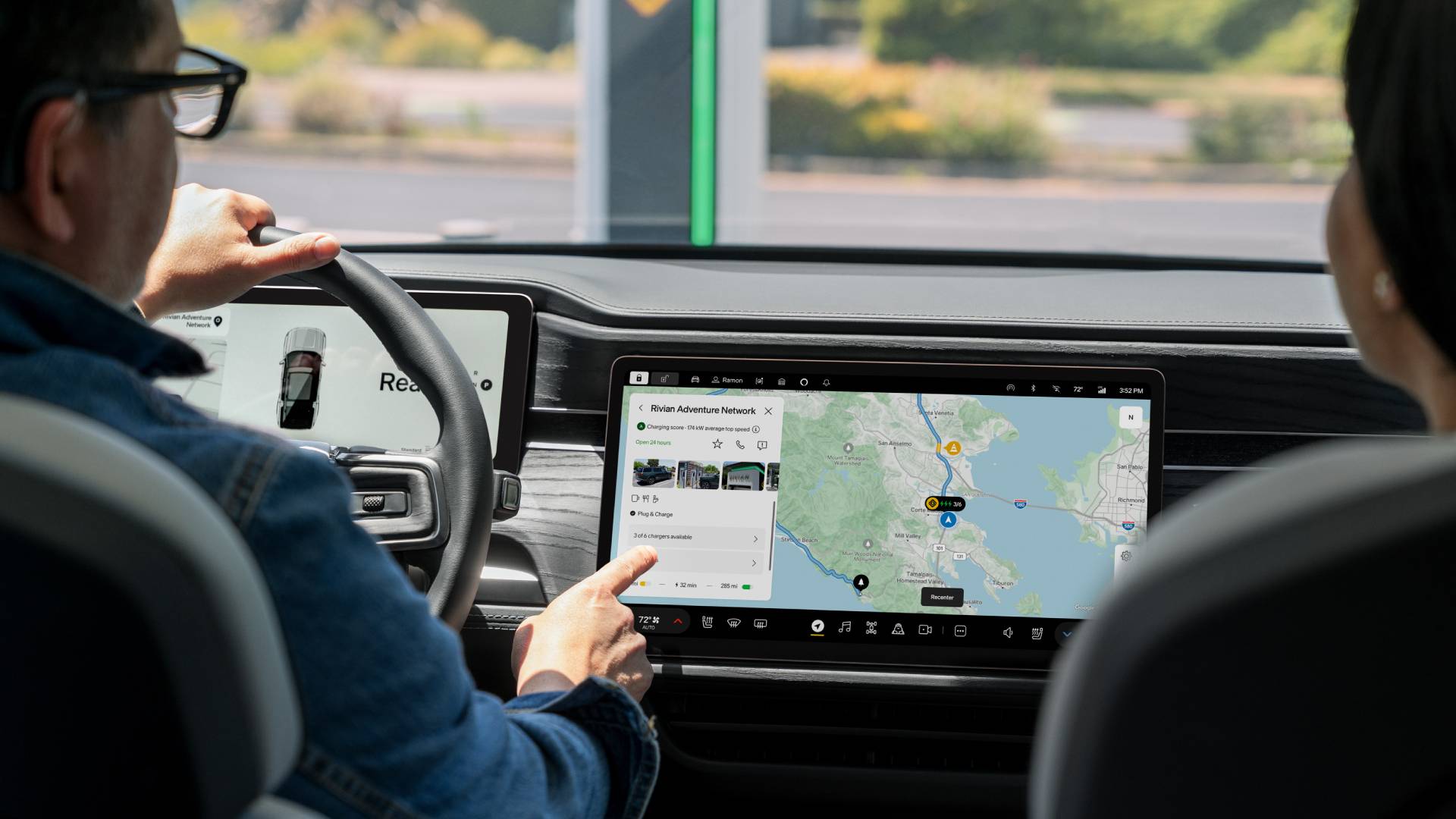
Rivian’s proprietary AI software, known as Rivian Assistant, is designed to interface with other AI assistants such as Google’s Gemini. This integration aims to enable voice control of smartphone applications without mirroring the phone’s software onto the vehicle’s display.
Described as an AI-based digital co-pilot
, Rivian Assistant is deeply embedded into the vehicle’s systems. It can adjust vehicle settings, summarize texts from a paired phone, and answer troubleshooting questions specific to Rivian models. The goal is to deliver smartphone app functionality directly through the vehicle’s native system.
Customer Interest Has Shifted Dramatically
Rivian’s confidence in its AI-first approach is backed by shifting customer preferences. Over 70 percent of customers once requested CarPlay integration in surveys. However, more recent surveys show that figure has dropped below 25 percent. Bensaid attributes this change directly to improvements in Rivian’s own software, noting that CarPlay or Android Auto is no longer the topic of discussion
.
A Bet on Proprietary Integration
Rivian’s refusal to adopt mainstream third-party infotainment solutions positions it as a notable holdout in the US automotive market. While most competitors offer CarPlay and Android Auto as standard features, Rivian is betting that its integrated AI experience will prove more compelling to customers than phone mirroring solutions.
The company’s vision centers on Rivian Assistant seamlessly controlling phone apps via voice commands, potentially through partnerships with AI platforms like Gemini. If successful, this approach could set a new standard for how vehicles integrate smartphone functionality without requiring direct phone projection onto the vehicle’s display.
Follow Hashlytics on Bluesky, LinkedIn , Telegram and X to Get Instant Updates