The $700 Million Restructuring Mandate
According to Bloomberg, EA has pledged up to $700 million in annual cost reductions to its debt holders. This commitment is non-negotiable. The company must hit these targets to satisfy the financial obligations created by the acquisition.
The scale of these cuts signals serious restructuring ahead. For an organization EA’s size, reducing spending by this magnitude typically means significant workforce reductions, studio consolidation, or both.
$170 Million in “Organizational Efficiencies”
Part of the promised cuts includes $170 million in what EA terms “organizational efficiencies.” Industry observers widely interpret this as a euphemism for layoffs. Many EA employees have anticipated workforce reductions since the deal’s announcement last year.
The timing is significant. Layoffs typically follow major acquisitions as new owners look to eliminate redundancy and cut costs. For game developers, who often face unstable employment at the best of times, this news confirms what they’ve been dreading.
Which Studios Are at Risk
EA manages a sprawling portfolio of studios and franchises. Understanding which properties might face the axe requires looking at the company’s strategic priorities.
Safe bets: Annual franchises like EA Sports FC and College Football generate reliable revenue. Battlefield remains a priority, with Rebecka Coutaz, VP and GM of Battlefield Studios Europe, stating: “We are solely focused on Battlefield.” The Sims franchise also continues to perform.
At greater risk: Smaller or underperforming studios face tighter scrutiny. Criterion Games, once known for creative franchises like Burnout and Need for Speed, now operates as a dedicated Battlefield support studio. This type of consolidation often precedes further cuts if the primary franchise underperforms.
The BioWare question: RPG developer BioWare, known for Mass Effect and Dragon Age, operates outside EA’s preferred live-service blockbuster strategy. The studio’s output doesn’t always align with corporate priorities, making it vulnerable during cost-cutting periods.
Automation and Outsourcing Acceleration
Beyond traditional layoffs, EA is shifting support roles to cheaper overseas vendors and leveraging artificial intelligence for functions like customer service. The company has expressed confidence in AI’s potential to transform operations while publicly claiming generative AI won’t appear in finished products.
This dual approach—layoffs plus automation—suggests EA sees technology as a way to maintain service levels while reducing headcount. It’s a common playbook in tech and entertainment industries, but it adds another layer of uncertainty for employees.
The CEO Compensation Disconnect
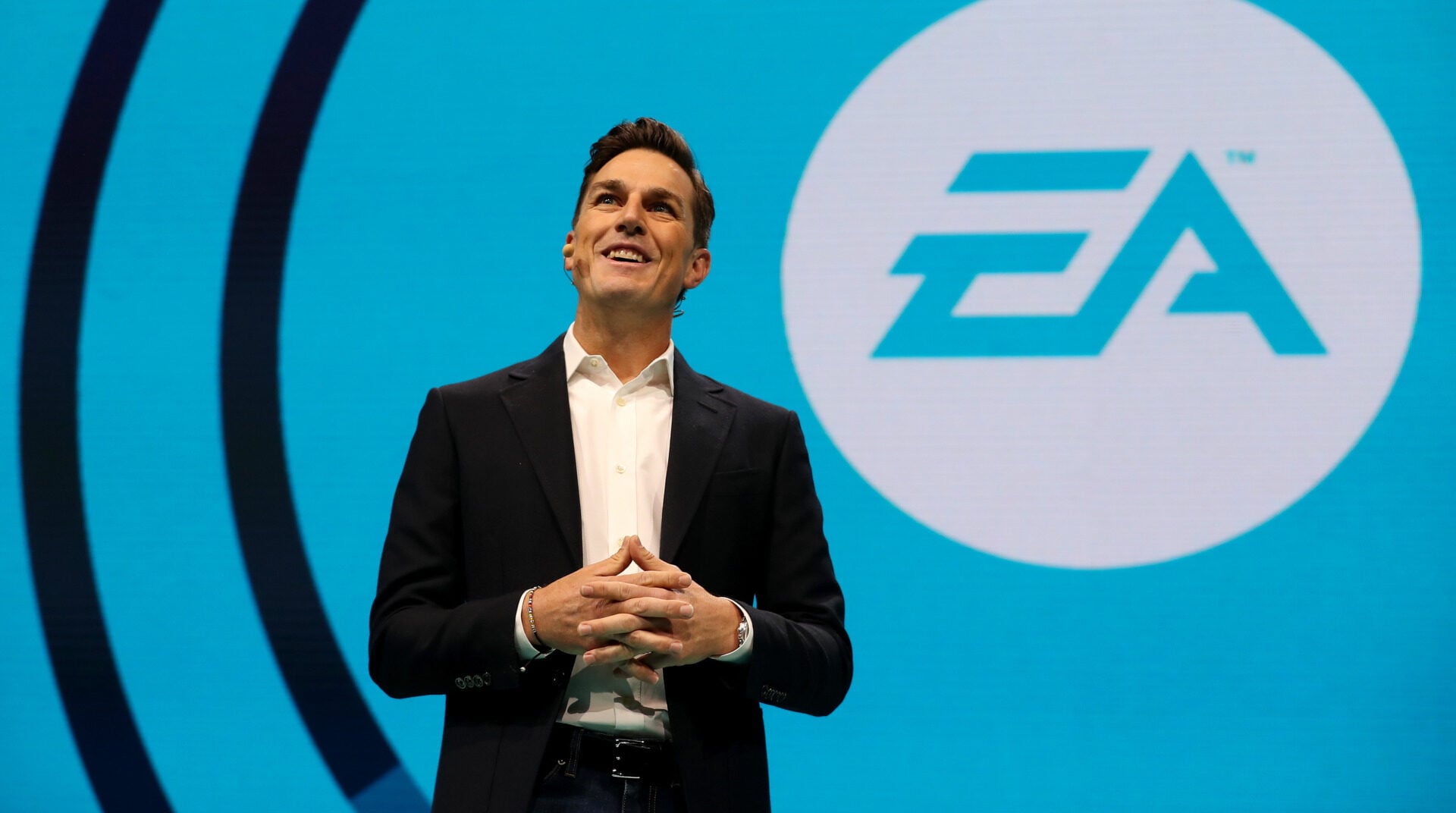
While developers face potential layoffs, CEO Andrew Wilson reportedly secured a $77 million payout in the most recent fiscal year according to the company’s final SEC filing before going private. That figure is double what was previously reported for his compensation.
The contrast is stark. Thousands of developers may lose their jobs or face salary freezes while the person leading the restructuring receives a massive payday. This dynamic has become typical in tech and entertainment but rarely sits well with public sentiment.
The full impact of EA’s restructuring won’t be clear until the company announces specific layoff numbers and studio closures. Expect announcements in the coming weeks as the new ownership assesses operations and begins implementing cuts. For industry observers, EA’s playbook will likely become a template for how other major publishers handle post-acquisition restructuring.
The gaming industry is watching closely. If EA cuts aggressively, it signals that new ownership sees significant cost-cutting as the path to profitability. If they move cautiously, it suggests confidence in the current operation. Either way, developers should prepare for upheaval.
Follow Hashlytics on Bluesky, Facebook, LinkedIn, Telegram and X to Get Instant Updates