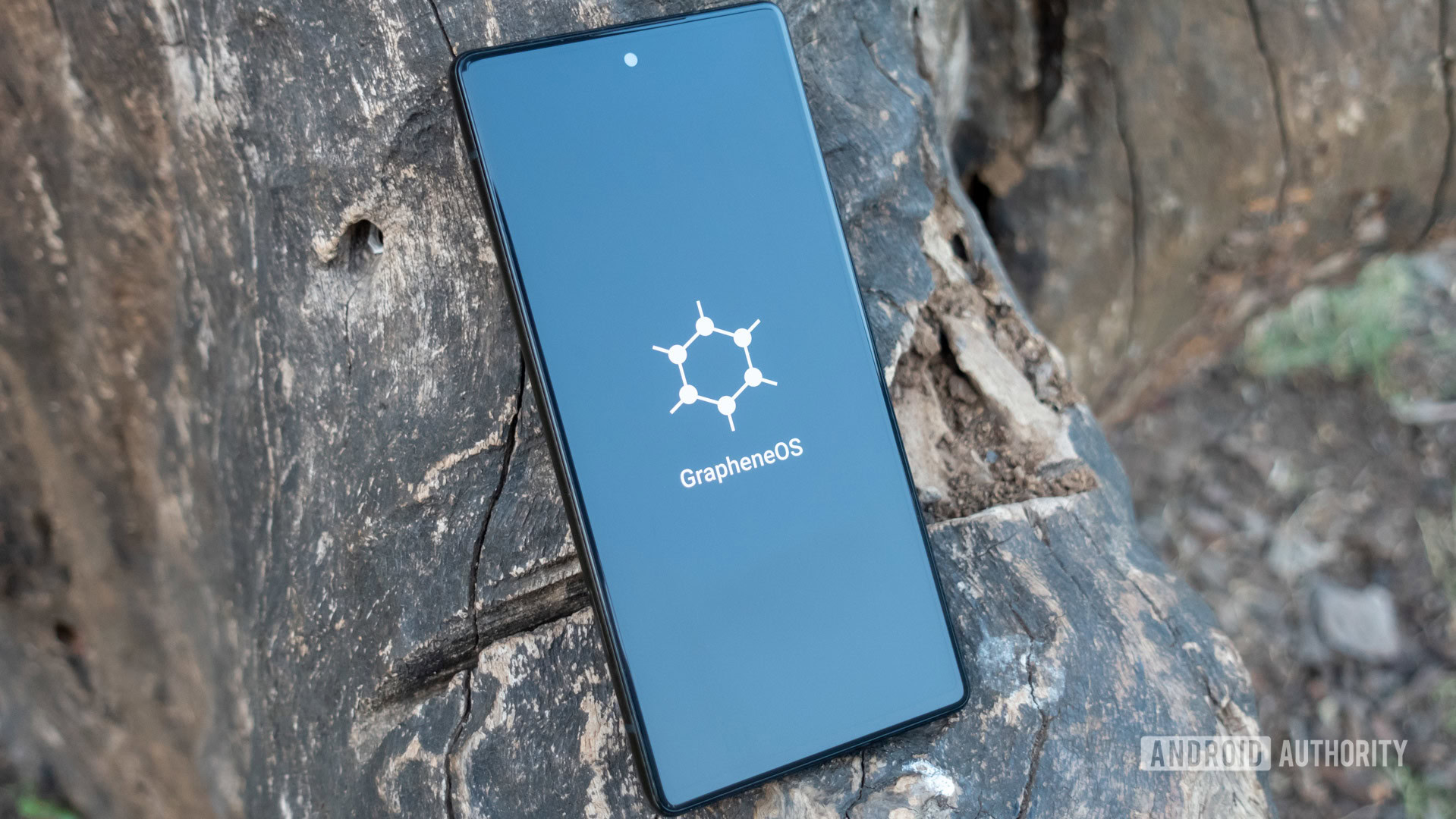
GrapheneOS points to what it calls “unusual changes” in Android 17 QPR1, claiming new developer APIs introduced with this release were not made available through the Android Open Source Project (AOSP) at the same time Pixel devices got them. According to a series of posts from the project, this is reportedly the first time that’s happened since the Android Honeycomb era.
Pixel Got the APIs First
The stable Android 17 QPR1 update arrived as part of the September Pixel Drop. Google’s own developer documentation confirms API differences exist between Android 17 and Android 17 QPR1, which lends some weight to GrapheneOS’s timeline. The project says it had already ported its code to QPR1, but lacked permission to actually release it.
GrapheneOS is now working around the gap by backporting the necessary firmware, kernel drivers, userspace drivers, and HALs from QPR1 back down to standard Android 17.
Security Patches Are Also in Question
Beyond API access, GrapheneOS is raising a separate concern about how Google handles security fixes. The September 2026 Pixel Update Bulletin lists additional fixes that don’t appear in the standard September Android Security Bulletin.
GrapheneOS claims some of these Pixel-exclusive patches touch standard Android platform components, the same code used across non-Pixel devices, yet the fixes weren’t included in the public security bulletin or preview patches sent to other manufacturers.
“Gatekeeping Security Patches”
Google should not be gatekeeping security patches to the standard Android platform code from Android OEMs, but that’s what they’ve started doing,
GrapheneOS stated. The project frames this as giving Pixel an advantage that has nothing to do with hardware and everything to do with which manufacturer gets code first.
GrapheneOS still says Pixels remain valuable for their update and security track record. But the group notes that supporting Pixel devices specifically has become significantly harder than many other devices,
a notable admission given GrapheneOS has historically shipped almost exclusively on Pixel hardware.
When Other OEMs Catch Up
Other Android manufacturers will reportedly get access to these patches later, expected to land with the Android 17 QPR2 release in December. Separately, GrapheneOS’s upcoming Motorola partnership is aimed at getting official firmware and driver code more directly, without routing everything through Pixel-first releases.
Hashlytics Take
GrapheneOS has real incentive to publicize this, since a widening gap between Pixel and everyone else threatens the security-parity story it’s built its entire reputation on. That doesn’t make the claim wrong. The API documentation discrepancy is verifiable and the Motorola partnership move only makes sense if GrapheneOS genuinely believes Pixel-exclusivity is becoming a liability, not a convenience. Worth watching whether other AOSP-based projects speak up too, because if this is systemic rather than a one-off QPR cycle, Google has a bigger AOSP trust problem brewing than a single Mastodon thread suggests.
Follow Hashlytics on Bluesky, Facebook, LinkedIn , Telegram and X to Get Instant Updates