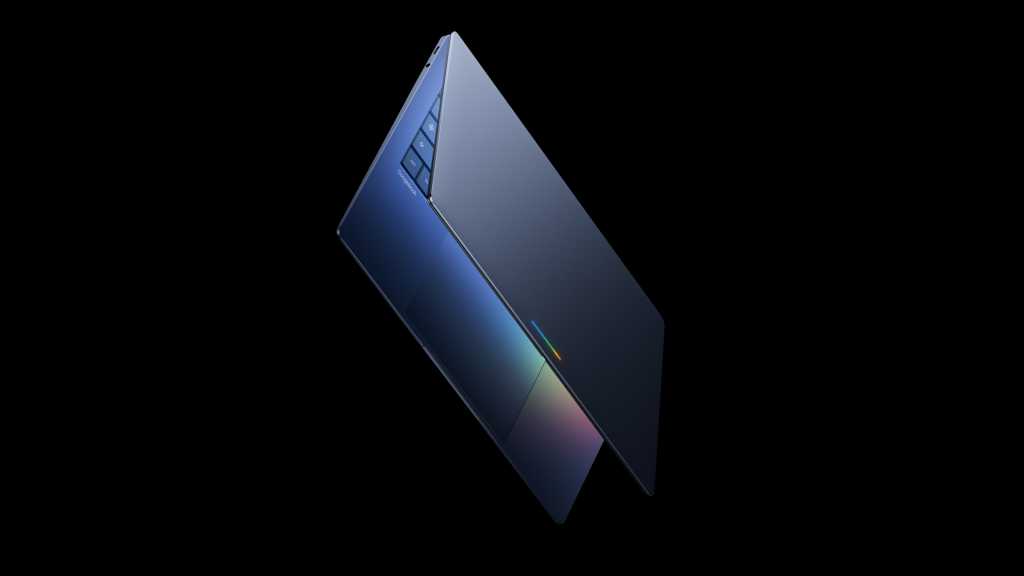
Google just announced an entirely new product category called the Googlebook, marking a significant move toward merging Android and ChromeOS into a unified laptop platform. Unveiled at Tuesday’s pre-Google I/O event, the device blends Chrome browser, Google Play apps, and heavy AI integration via Gemini.
But Google has been deliberately cryptic about several critical details. Here are the eight biggest questions that will define whether Googlebooks succeed or stumble.
1. Is Googlebook Actually Running Android?
Google says Googlebooks are optimized for the Android ecosystem
and can run Android apps, but that doesn’t confirm they’re running Android itself. Chromebooks also run Android apps yet use a completely different OS. The distinction matters for everything from app compatibility to update models.
2. Can Manufacturers Customize It?
Android traditionally allows extensive manufacturer customization, leading to bloatware and inconsistent experiences. ChromeOS has maintained a locked-down, consistent interface across all hardware. Which model will Googlebooks follow? Google hasn’t said, but the answer will determine whether you get a clean Google experience or a carrier-branded mess.
3. Who Controls Software Updates?
Android updates depend on manufacturers, creating fragmentation. ChromeOS updates come directly from Google, ensuring consistent security and feature rollouts. If Googlebooks follow the Android model, expect update disparities. If they follow ChromeOS, you’ll get timely patches regardless of who made your device. This is critical for enterprise buyers.
4. What Happens to ChromeOS?
Google says existing ChromeOS devices will continue receiving support and that many Chromebooks will be eligible to transition to the new experience.
But will Google keep making new Chromebooks alongside Googlebooks, or is this a replacement strategy? The company hasn’t clarified.
Googlebooks are also described as being built with premium craftsmanship and materials
, suggesting higher price points than most current Chromebooks.
5. Do They Keep Chromebook’s Core Strengths?
Key Chromebook selling points include built-in security, sustained performance over time, and a full desktop browser experience. Google hasn’t confirmed whether Googlebooks maintain these qualities. Their absence would significantly change the value proposition, especially for education and enterprise markets.
6. Can They Run Linux and Windows Apps?
ChromeOS evolved into a versatile platform supporting web, Android, Linux, and even Windows applications. Googlebooks are confirmed to run Android apps, but compatibility with Linux programs or Windows apps remains unknown. This determines whether Googlebooks are enhanced tablets or comprehensive productivity machines.
7. Are All Models Touch-Centric?
Google’s demonstrations suggest a touch-oriented experience, though keyboards are available. The interface appears to blend Android and ChromeOS elements, with echoes of the large-screen-optimized Android 3.0 Honeycomb from over a decade ago. Whether Google will offer diverse hardware configurations, including non-touch options, is unclear.
8. What About Quick Access and Phone Integration?
One confirmed feature is the Quick Access system, promising seamless interaction with files stored on Android phones directly from the Googlebook without manual transfers. Devices will also support both native Android app installation and direct streaming of applications from a user’s phone to the laptop. These features could be the Googlebook’s killer differentiator if executed well.
What This Means
Googlebooks ship later this year
, but the numerous unanswered questions will be pivotal in determining market positioning and long-term impact on existing Android and ChromeOS user bases. The device represents a significant evolutionary step for Google’s computing platforms, but without clarity on operating system architecture, update mechanisms, and app compatibility, it’s impossible to assess whether this is a genuine innovation or a confused middle ground that satisfies no one.
Follow Hashlytics on Bluesky, LinkedIn , Telegram and X to Get Instant Updates