Google Addresses Silent Gemini Nano Chrome Install
The controversy ignited after privacy researcher Alexander Hanff documented that Chrome automatically downloads Google’s Gemini Nano model, a substantial 4GB file, without user consent or a clear opt-out mechanism. Compounding the issue, manually deleting the file reportedly triggers an automatic re-download upon the next browser restart.
- This behavior, which Google has implemented since 2024, has drawn significant backlash. Critics highlighted a notable inconsistency: Chrome’s highly visible “AI Mode” feature in the address bar does not utilize this locally stored model. Instead, queries made through this feature are processed on Google’s cloud servers. This means users bear the storage and bandwidth costs for a 4GB file that, for many, has no apparent connection to Chrome’s most prominent AI functionality.
The Backlash Over Unused Local AI and Consent
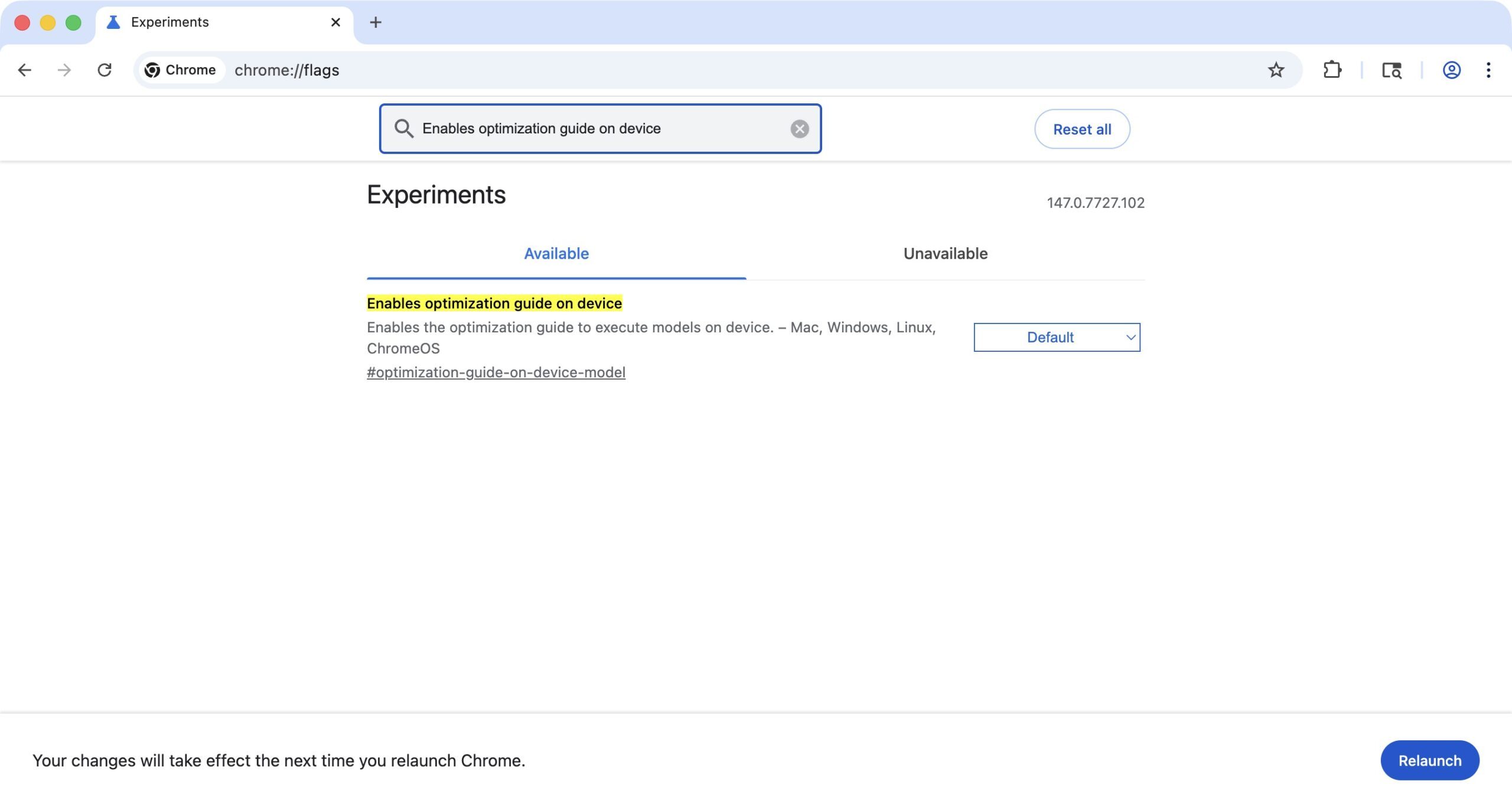
Privacy advocates have escalated concerns, citing potential infringements of EU privacy law, particularly the ePrivacy Directive, which mandates user consent before storing data on a device. In response, Tabriz posted a series of clarifications on X on May 6, 2026. She asserted that Gemini Nano operates as a “lightweight, on-device model” integral to Chrome’s developer APIs and security features, including advanced scam detection. Tabriz emphasized that the model processes data locally, avoiding transmission to Google’s servers, and will automatically uninstall if a device runs low on storage. While Google has stated that users can disable and remove the model through Chrome’s settings, preventing re-download, Tabriz did not directly address the broader question of initial user consent or the forced reinstallation issue.
Google’s Unanswered Questions on User Consent
Despite Google’s clarification on the model’s purpose and local processing, the lack of explicit user consent for the initial download and the persistent re-download behavior when manually deleted remain significant points of contention. Users seeking to manage this can follow existing instructions on how to turn it off. Moving forward, greater transparency and more robust user control mechanisms will be crucial for Google to alleviate privacy concerns surrounding its on-device AI integration.
Follow Hashlytics on Bluesky, LinkedIn , Telegram and X to Get Instant Updates