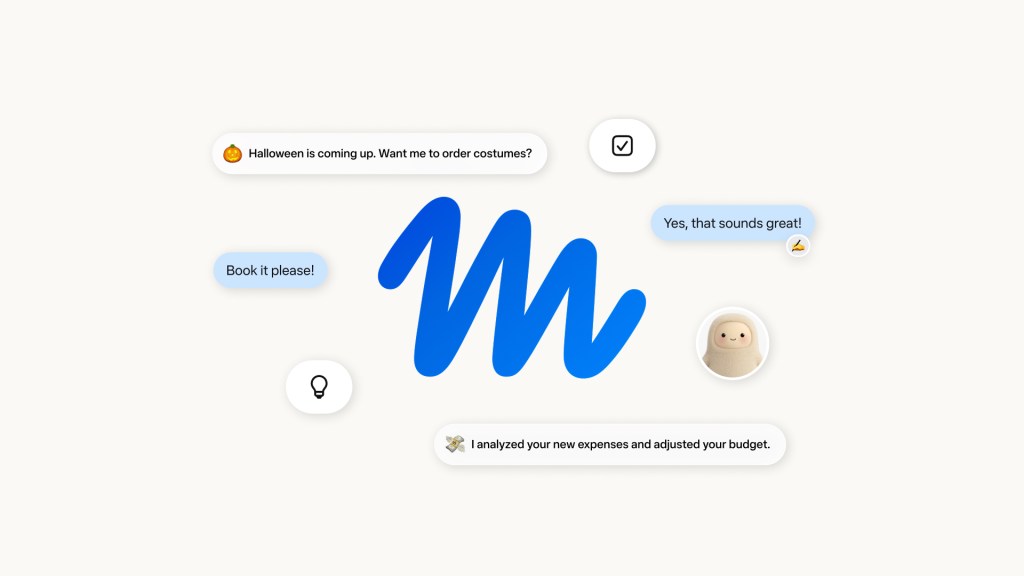
On Tuesday, Meta introduced Muse, a personal AI agent for U.S. consumers designed to handle everyday tasks. Alex Wang described it as always on, wicked fast, can use a browser, connect to your apps, and is designed to be secure.
What Muse Actually Does
Muse connects directly to a user’s apps and services, including email, calendars, payments, health, smart home, dining, shopping, music, and events. Rather than just answering questions, it acts. The agent can send emails, book travel, lower bills, fill out forms, and build plans from scratch.
A few specific capabilities stand out:
- Turning recipe reels into ready-made grocery lists
- Sending party invitations without manual input
- Making purchases through Link by Stripe, which includes purchase protections
Users choose which apps to connect one at a time, giving them visibility into exactly what Muse can touch. The agent runs on Meta’s Muse Spark model, ships with built in connectors for major services, and can reach others through public APIs or a browser when no direct connection exists.
Pricing and Where to Get It
Muse is live now on the web at muse.ai, on iOS and Android, and inside WhatsApp chats, with integration into Meta’s AI glasses coming soon. According to Wang, the rollout starts in the US, with more countries to follow.
The service is free at the base level, with paid tiers for heavier usage:
- Power: $20 per month
- Maximum: $100 per month
Meta expects most users to stay on the free tier and has built in a usage meter so people can track how much free capacity they have left.
How Meta Says It Secured Muse
Meta claims Muse runs inside a dedicated, isolated system called the Muse Secure VM, essentially its own computer per user. A separate system called the Sentinel checks every action before anything leaves that VM. Wang explained that this setup means your Muse never sees your actual passwords or card numbers,
and that Muse asks for permission before any sensitive action, like sending an email or spending money.
Meta also says Muse does not share conversations or data with its advertising systems, and points to a detailed technical writeup on how the security model works.
The Track Record Muse Has to Overcome
Meta’s privacy history complicates that pitch. In 2011, the FTC settled with Facebook over charges that it deceived consumers about how private their information actually was. In 2019, the FTC fined Facebook $5 billion for eight separate privacy violations. A 2023 charge accused Meta of violating terms from that same 2019 settlement.
Beyond regulatory action, Meta has had direct technical failures too, including a 2019 incident that exposed user passwords internally. The Cambridge Analytica scandal, where millions of users had their data harvested without consent, still shapes how people think about the company.
Muse Enters a Crowded Agentic Field
Muse arrives as part of a broader shift toward AI agents that take action rather than just respond. Competitors are building AI powered browsers, launching services like Gemini Spark, or embedding agents directly into chat apps people already use daily. Across the board, these tools ask the same question of consumers: is the convenience worth the access you’re handing over?
Hashlytics Take
The technical security architecture Meta describes here is genuinely more thoughtful than what most companies bother explaining. Isolated VMs, a separate verification layer, no visibility into raw passwords or card numbers, that’s a real design decision, not just a privacy policy footnote. But Meta’s problem was never a lack of technical capability. It was judgment about how user data gets used once systems are built. An $18 billion settlement over child safety and a decade of FTC violations don’t get erased by a well documented VM architecture. Muse will likely succeed on convenience alone for a lot of users. Whether it earns actual trust is a different question, and Meta’s answer to that question has historically been no.
Follow Hashlytics on Bluesky, Facebook, LinkedIn , Telegram and X to Get Instant Updates