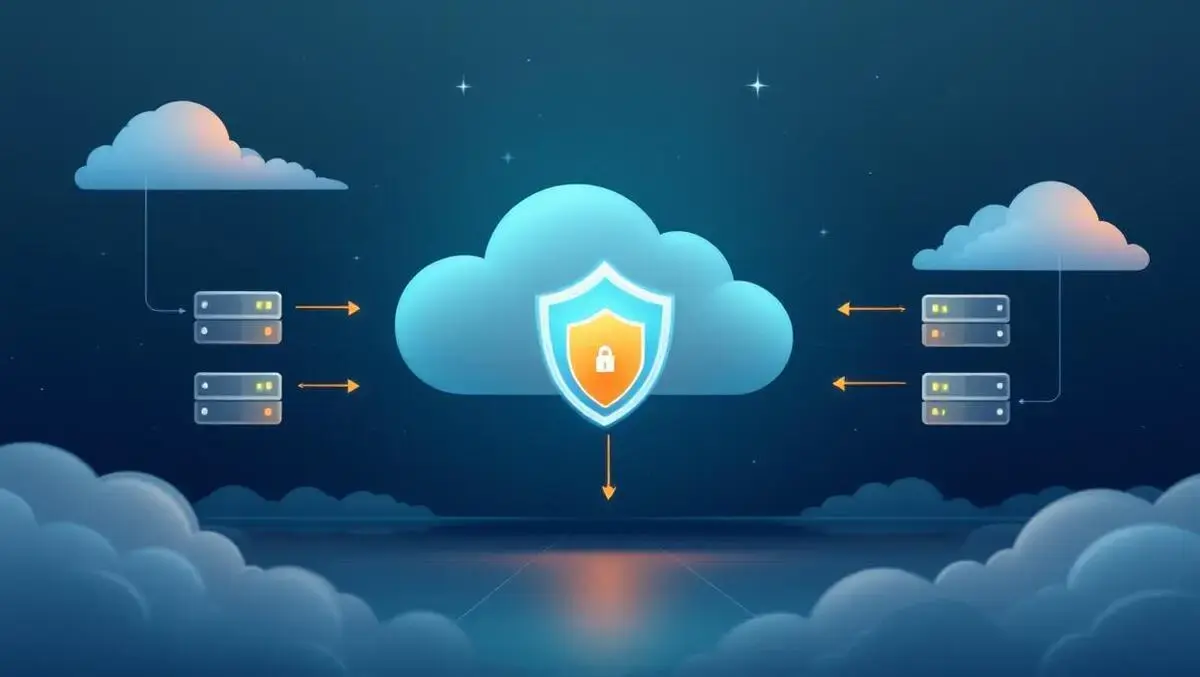
The partnership, announced today, May 14, 2026, by NetApp, directly addresses the increasing complexities of managing data in modern IT landscapes. As businesses rapidly expand their virtualized infrastructure, often driven by the demands of artificial intelligence workloads, the need for robust data protection becomes paramount. This collaboration seeks to provide more predictable outcomes and operational confidence for customers.
Key Enhancements for Virtualized OpenShift Environments
Among the core updates, NetApp Backup and Recovery for Red Hat OpenShift and OpenShift Virtualization now supports automated virtual machine-level protection and recovery workflows. This service leverages incremental-forever backups with change block tracking, improving storage efficiency and offloading processing from backup operations. Additionally, NetApp’s disaster recovery service is now in public preview for Red Hat OpenShift and OpenShift Virtualization, offering orchestrated disaster recovery for Kubernetes-based virtual machines, complete with guided failover and fallback.
For cloud deployments, Google Cloud NetApp Volumes and the Trident CSI driver for Red Hat OpenShift Virtualization are now generally available on Red Hat OpenShift Dedicated on Google Cloud, with certified support. This integration allows organizations to run both virtual machines and containers within a single cloud setup. Furthermore, NetApp Trident, the storage provisioner for Kubernetes, has been enhanced to support parallel execution of controller operations for Amazon FSx for NetApp ONTAP and Google Cloud NetApp Volumes, thereby mitigating potential storage bottlenecks.
Addressing the Demands of Expanding Virtualized Infrastructure
The timing of these enhancements is critical, coinciding with a significant expansion in virtualised environments. Red Hat research indicates that 90 percent of organizations view virtualisation as a key enabler for innovation, with 71 percent having over half of their IT infrastructure virtualized. Traditional backup methods, which often involve scanning entire virtual machine disks, struggle to keep pace with the growing data volumes associated with AI use, leading to extended backup windows and unpredictable recovery times.
NetApp highlighted that customers migrating to or expanding OpenShift Virtualization require block-level change tracking. This functionality is essential for meeting demanding backup and recovery targets while simultaneously managing storage costs effectively.
Industry Leaders Emphasize Scalability and Predictability
Dallas Olson, Chief Commercial Officer at NetApp, underscored the importance of these innovations. “When IT teams are faced with slow scanning and backup processes, they’re unable to meet recovery point and recovery time objectives,” Olson stated. He added that NetApp’s latest features with Red Hat enable predictable backup and recovery behavior, even as VM environments scale, allowing customers to migrate, operate, and protect large-scale VM and container environments with greater speed and operational confidence.
Steve Gordon, Senior Director, Product Management, Hybrid Cloud Platforms at Red Hat, echoed this sentiment. Gordon noted that “Legacy disaster recovery models were not built for the scale and pace of today’s virtualized environments.” He emphasized that the collaboration directly addresses pressing customer challenges as enterprise virtualized environments continue to grow in scale and complexity.
A Foundation for Modern Hybrid Cloud Data Protection
This collaboration aims to provide customers with more consistent operations across hybrid and multi-cloud environments, facilitating the seamless movement of applications and data between on-premises systems and public cloud platforms. For businesses leveraging OpenShift for both containers and virtual machines, these updates directly tackle the practical challenge of protecting increasingly larger and more complex estates without incurring excessive administrative overhead.
Follow Hashlytics on Bluesky, LinkedIn , Telegram and X to Get Instant Updates