digital colonialismfrom experts watching the deals closely.
Uganda Faces an Impossible Choice
Uganda recently agreed to new health terms that grant the U.S. direct access to health data for millions of its citizens. The agreement was the price of securing over a billion dollars for combating HIV, malaria, tuberculosis, and other diseases.
Frank Ssekamwa, a Ugandan attorney and digital rights expert, captured the dilemma plainly: If you take the deal, you’re going to be exploited. If you don’t take it, you’re going to die.
Aid With Strings Attached
The strategy openly leverages medical aid to serve American economic and political interests. Secretary of State Marco Rubio stated in September that aid will now be given in a way that directly benefits the American people and directly promotes our national interest.
This marks a sharp departure from the previous model under the U.S. Agency for International Development, which provided aid with significantly fewer conditions attached.
What the Deals Actually Require
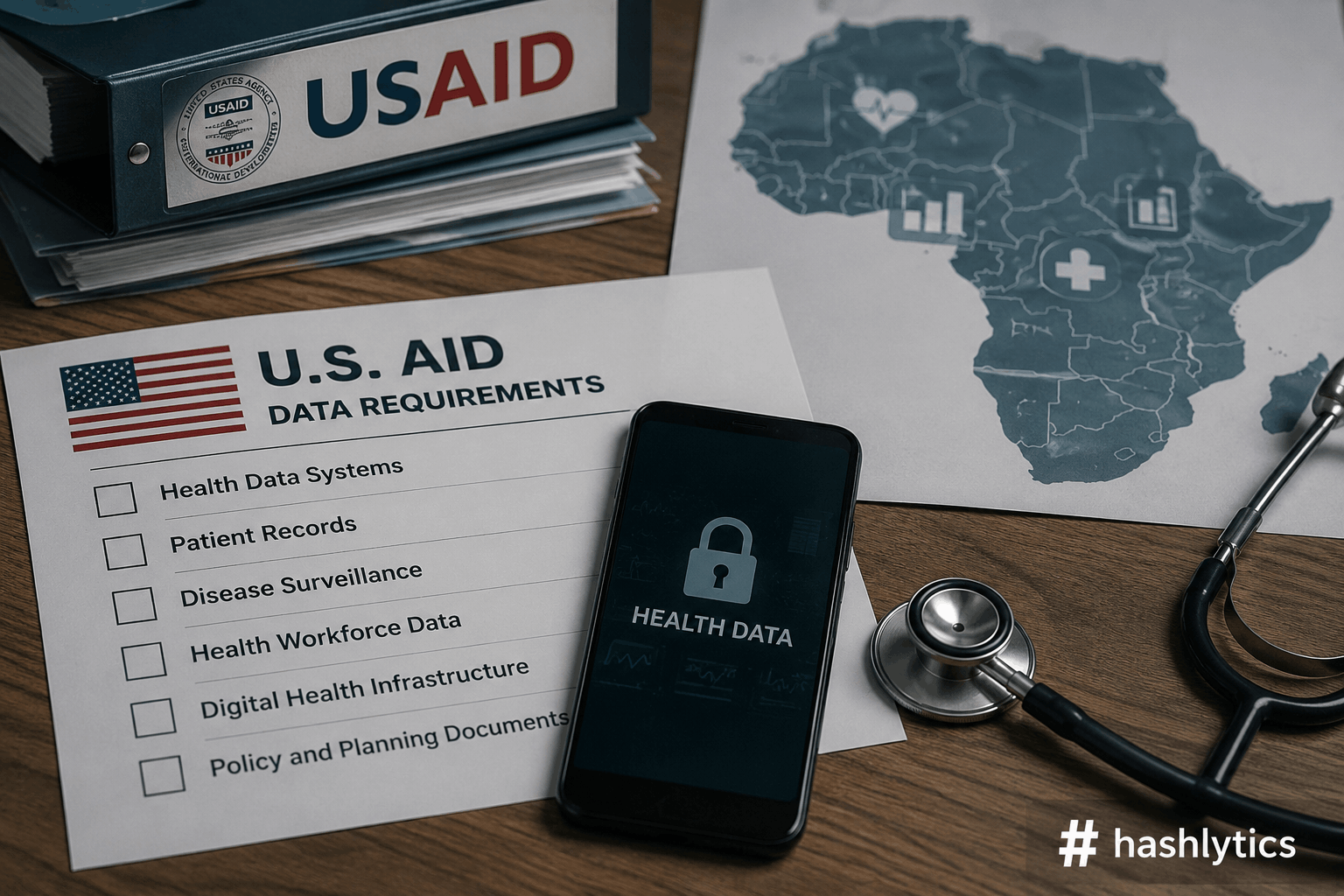
A ProPublica analysis of several agreements reveals the extent of U.S. data demands. The Ugandan deal specifically grants the U.S. direct, real-time access to nine national health data systems for seven years, including the country’s central health repository and electronic medical records.
Legal experts who reviewed the agreements raised red flags over vague terms and the absence of standard language protecting personal data. The gaps, they warn, increase the risk of exposure, misuse, or commercialization of sensitive information without the consent of the individuals involved.
The Anonymization Question
The U.S. State Department maintains that the agreements share only the same kinds of aggregated, de-identified data that has been shared and used for years.
But lawyers are not convinced.
Anonymized datasets can be reverse-engineered, potentially exposing records of individuals living with conditions like HIV or tuberculosis. Stephanie Psaki, former U.S. coordinator for global health security, highlighted the asymmetry bluntly: The U.S. would never agree to that
if the roles were reversed.
Health Data as a Commercial Asset
In the age of artificial intelligence, large health datasets have become enormously valuable, often described as the new gold. The industry built around buying and selling such information is worth billions of dollars globally.
The agreements, which the State Department says are intended to make America more prosperous
, offer no guarantee that African populations will have a say in how their data is used or receive any share of the value generated from it. Jane Munga of the Carnegie Endowment for International Peace put it directly: Once companies get this data, the value is being accrued. But there’s no way for the [African] population to know how companies will use it.
Privacy Laws in the Crossfire
Beyond ethical concerns, Munga also questions whether the agreements may violate existing African privacy laws. If they do, the legal fallout could compound the political damage already building across the continent over what critics see as a coercive approach to global health diplomacy.
Follow Hashlytics on Bluesky, LinkedIn, Telegram and X to Get Instant Updates