+2.25%
+2.75%
+23.50%
+0.44%
+5.40%
+2.01%
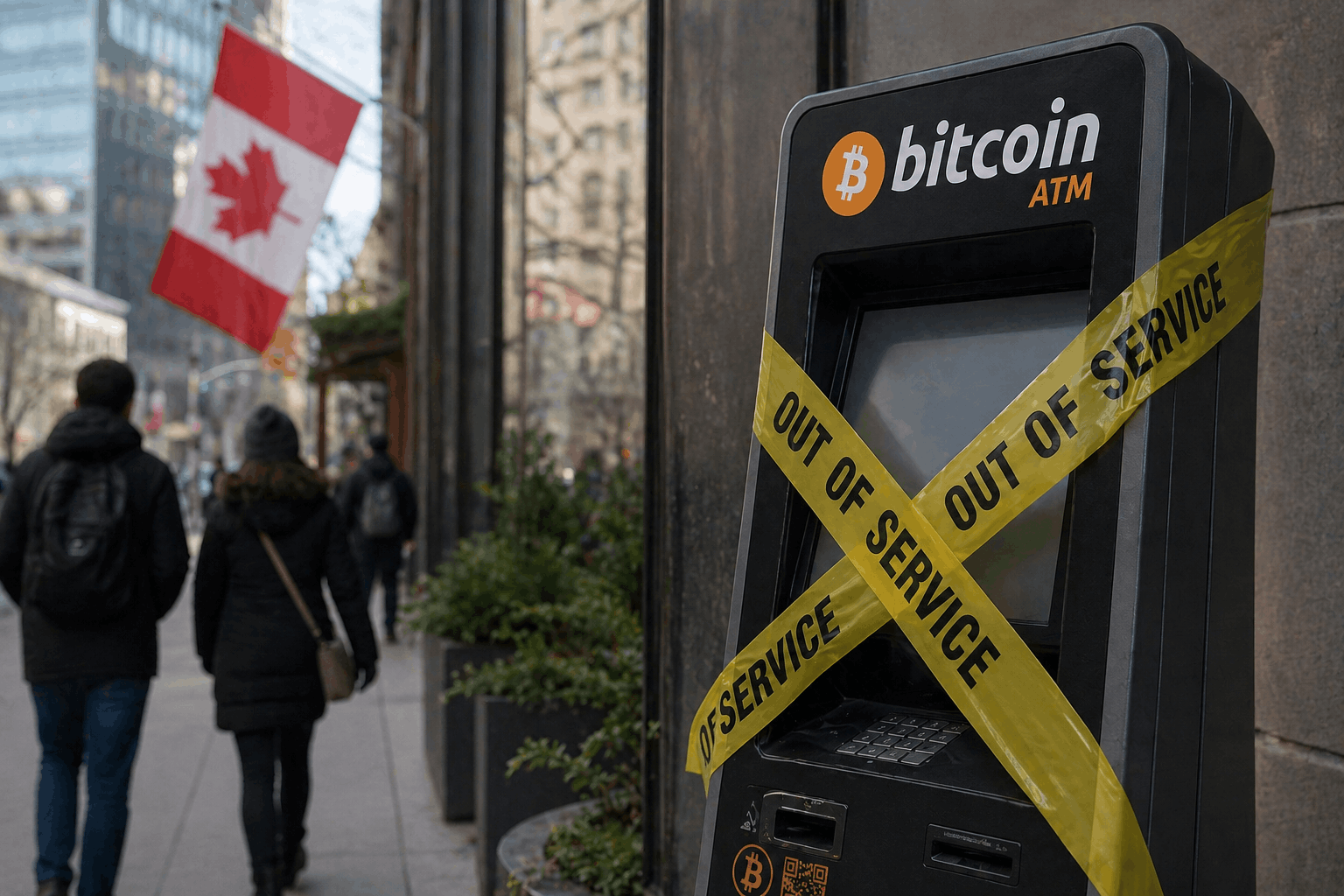
Canada Targets Crypto ATMs to Combat Scams
The proposed ban directly addresses concerns that crypto ATMs facilitate illicit financial activities. According to the Liberals’ spring economic update, these machines are a major conduit for criminals to process cash proceeds of crime and for fraudsters to extract money from victims.
Unlike traditional ATMs, crypto machines primarily allow users to deposit cash and convert it into cryptocurrencies like Bitcoin, which can then be sent globally to a virtual wallet. This process often bypasses the scrutiny associated with conventional banking transactions.
“Feeding Fraud” Uncovers Widespread Abuse
The government’s decision follows an extensive CBC News investigation, Feeding Fraud: The Crypto ATM Problem, conducted last year. This series highlighted how these machines, operating legally across Canada, have become a principal tool for fraudsters.
Canada’s financial intelligence agency, FINTRAC, corroborated these findings in a February 2023 analysis of suspicious transaction reports. The investigation revealed that crypto ATMs are appealing to criminals due to their low-barrier access: funds are sent quickly, a bank account is not required, and most transactions under $1,000 only need a phone number, lacking human oversight.
A Nation of Crypto ATMs, Lacking Regulation
Canada currently boasts the highest number of crypto ATMs per capita globally, with nearly 4,000 machines nationwide out of over 39,000 worldwide. Despite this proliferation, the industry has operated without specific regulations, instead being categorized alongside other money services businesses (MSBs) like foreign exchange dealers.
Last fall, CBC News sought interviews with Finance Minister François-Philippe Champagne and FINTRAC regarding the lack of specific regulations. While neither granted an interview, Champagne stated the government was “looking at all options to prevent financial crimes.”
International Precedents and Future Considerations
Other nations have already taken decisive action against crypto ATM fraud. The U.K. effectively banned the machines in 2021 by establishing a licensing framework that has yet to issue any permits. New Zealand is considering a similar ban, and Australia implemented daily transaction limits last summer following its own financial intelligence agency investigation.
South of the border, numerous U.S. states have proposed or enacted laws to impose measures such as daily transaction limits, caps on transaction fees, and requirements for operators to refund scam victims.
The Canadian government’s recent economic update did not provide extensive details on the proposed ban. It claims the measure will ensure Canadians can still purchase virtual currencies from “brick-and-mortar MSBs,” aiming to protect MSBs from illicit activity while restricting the current, unregulated ATM landscape.
Follow Hashlytics on Bluesky, LinkedIn , Telegram and X to Get Instant Updates