+2.25%
+2.75%
+23.50%
+0.44%
+5.40%
+2.01%
How the Scam Works
The scheme typically starts on social media, dating platforms, or through unsolicited text messages. Fraudsters pose as romantic partners, business contacts, or successful investors to build trust before directing victims to fake cryptocurrency trading platforms showing fictitious profits.
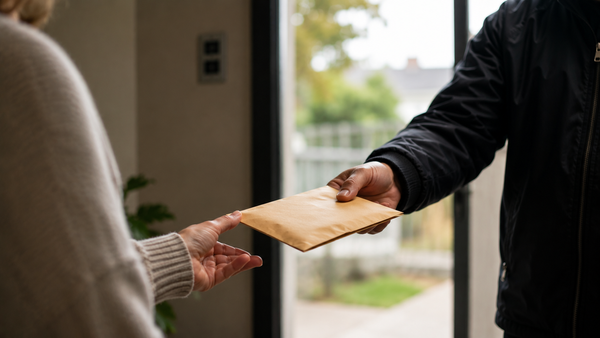
When victims try to withdraw funds, scammers claim their bank accounts have been flagged or that fees are needed to unlock their money. They then instruct victims to withdraw cash. A courier arrives at the victim’s home or a public location, presenting a dollar bill serial number, password, or code as proof of legitimacy. Afterward, the fake platform shows inflated account balances, reinforcing the illusion of a real investment.
The cycle does not stop there. Victims are then told they owe taxes, penalties, or withdrawal fees, triggering repeated rounds of cash collection that can drain thousands of dollars over time.
Why Banks Cannot Stop This
Financial institutions routinely flag large wire transfers and suspicious transactions. By switching to physical cash collection, scammers sidestep these anti-fraud systems completely. The in-person courier creates a false sense of legitimacy while keeping criminal activity outside traditional banking oversight.
The Numbers Tell the Story
The FBI recorded nearly 73,000 investment fraud cases last year, with losses exceeding $8.6 billion, making it the largest category of cybercrime. Social media is the primary entry point: FTC data shows nearly 30% of fraud victims were first contacted through social platforms, with reported losses hitting $2.1 billion in 2025, an eightfold increase since 2020.
In the UK, investment fraud accounted for the largest share of authorized push payment fraud, totaling £221.5 million ($297 million), a 40% year-on-year rise according to UK Finance.
Red Flags to Watch For
- Unsolicited contact about investment opportunities that quickly turns personal
- Claims that your bank account has been flagged and cash is the only option
- A stranger arriving to collect cash with a code or serial number
- Requests for taxes or withdrawal fees before releasing profits
Love bombing
, where scammers overwhelm targets with affection to build trust fast
No legitimate investment company sends a courier to collect cash from your home. If you encounter these tactics, report everything to the FBI‘s Internet Crime Complaint Center and preserve all communication records.
Follow Hashlytics on Bluesky, LinkedIn, Telegram and X to Get Instant Updates