Galaxy Watch Ultra 2 Needs Key Enhancements to Compete
The current Galaxy Watch Ultra, while making a strong debut, has revealed several areas for improvement, particularly as rivals like Google and Apple continue to advance their wearable offerings. Cimino, who has extensively tested the device against major competitors, emphasizes that the upcoming iteration must address these points to entice existing users to upgrade.
Addressing Market Gaps and User Demands
The urgency for these upgrades stems from the evolving landscape of smartwatches. With devices like the Google Pixel Watch 4 pushing boundaries in health tracking and refinement, Samsung’s “Ultra” moniker needs to signify a distinct advantage. Without substantial improvements, the value proposition for the high-priced wearable diminishes, especially for users seeking comprehensive functionality beyond basic tracking.
Essential Upgrades for Samsung’s Next Rugged Flagship
Cimino outlines five critical areas where the Galaxy Watch Ultra 2 must improve to meet user expectations and stay competitive. These range from fundamental performance enhancements to design considerations and broader ecosystem compatibility.
A Major Battery Upgrade is Paramount
Battery life stands out as the most crucial upgrade. While the current Galaxy Watch Ultra lasts just under three days, comparable to the Pixel Watch 4, it falls short of dedicated adventure wearables like Garmin watches, which can offer a week or more. Rumors of a larger battery and more efficient chipset are promising, but Samsung needs to ensure the Watch Ultra 2 comfortably exceeds the three-day mark without relying on battery-saving compromises.
A Redesigned Case for Enhanced Aesthetics and Utility
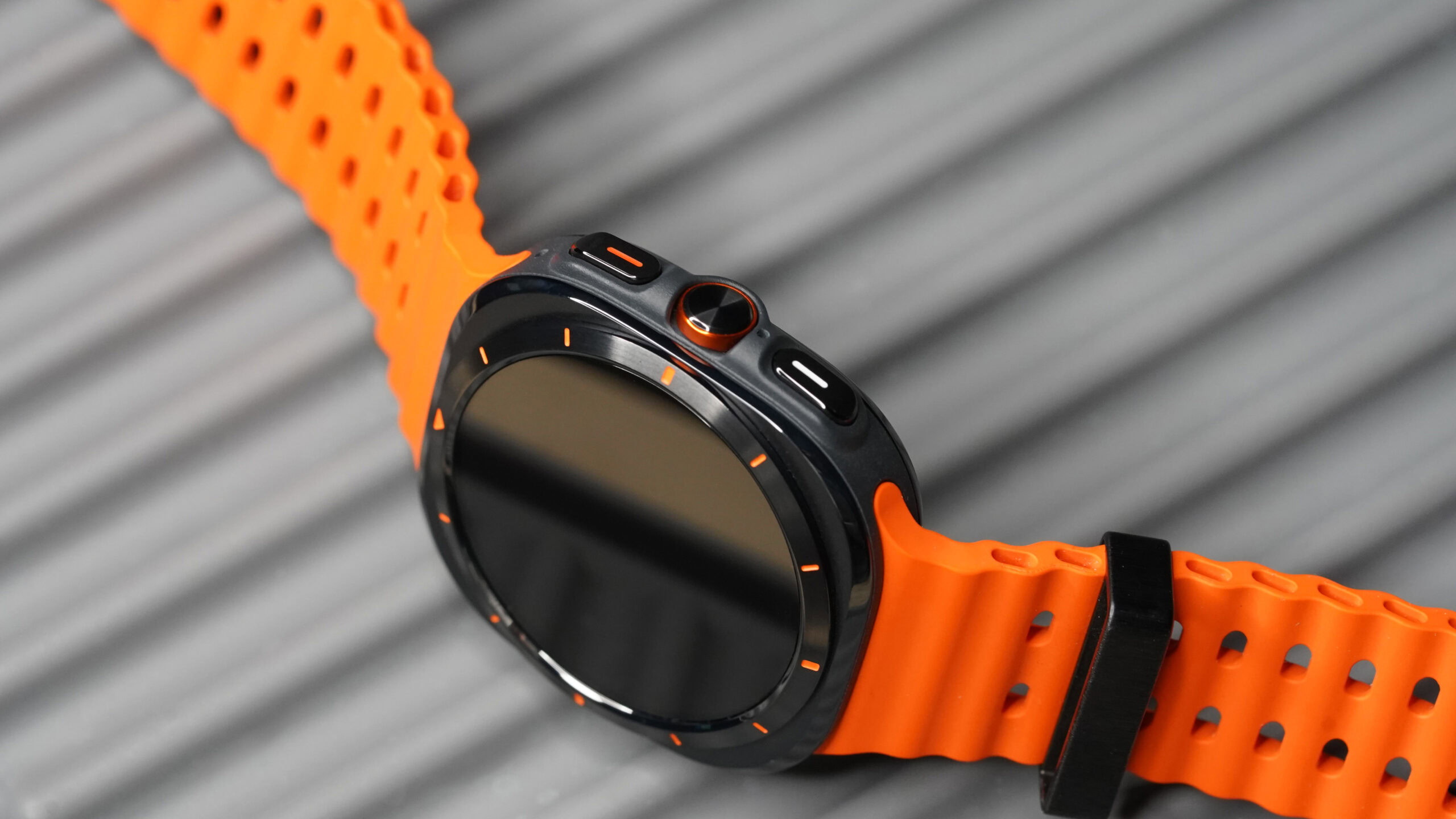
The current “squircle” design, while distinctive, is a point of contention. A return to a classic circular aesthetic, similar to the Galaxy Watch 5 Pro, is desired. This would not only appeal to subjective preferences but also potentially allow for a larger screen within the same footprint. Additionally, the inclusion of a ruggedized rotating bezel could add both functionality and a unique Samsung identity.
More Reliable Heart Rate Tracking
For a premium fitness tracker, consistent heart rate accuracy is non-negotiable. The existing Galaxy Watch Ultra can struggle during activities with rapid heart rate changes, such as interval workouts. With competitors like the Apple Watch Ultra demonstrating superior consistency, the Galaxy Watch Ultra 2 needs to close this gap to ensure its health features are powered by accurate, reliable data.
Broader Compatibility for Advanced Health Features
A significant barrier for many Android users is Samsung’s exclusivity for key health features like blood pressure monitoring, ECG recordings, and sleep apnea detection, which often require a Galaxy phone. This restriction is increasingly difficult to justify when Google’s advanced health tools are not similarly locked down. Opening these features to all Android users would significantly enhance the Watch Ultra 2’s appeal and value.
A More Accessible Price Point
Priced at $649, the current Galaxy Watch Ultra competes at the high end of the market. Rumors of a Bluetooth-only version are welcome, but this must be accompanied by a price reduction. Offering a more affordable, secondary option would make the Ultra lineup accessible to a wider audience and provide a more compelling value proposition, especially for those who do not require LTE connectivity.
The Path Forward for Samsung’s Premium Wearable
The Galaxy Watch Ultra 2 represents a pivotal moment for Samsung in the high-end smartwatch segment. To truly make an impression, the device must go beyond incremental updates and address these core user demands. How Samsung responds to these challenges will largely determine its standing against increasingly formidable competition in the wearables market.
Follow Hashlytics on Bluesky, LinkedIn , Telegram and X to Get Instant Updates