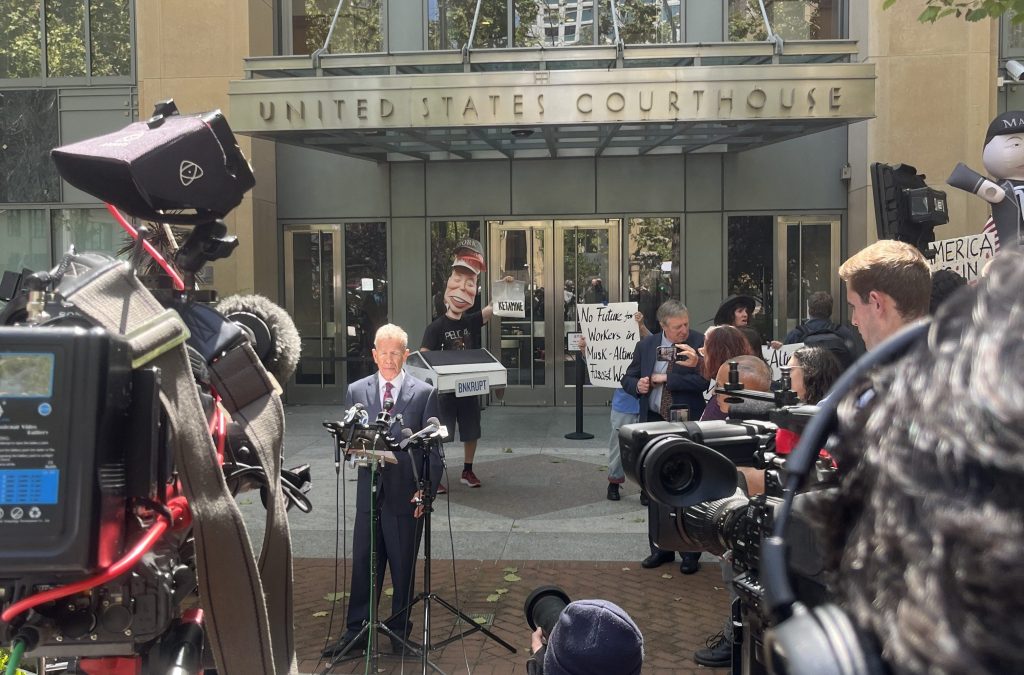
Jury Weighs Elon Musk’s Claims Against OpenAI
The core of Musk’s lawsuit revolves around three primary accusations against OpenAI, its co-founders Sam Altman and Greg Brockman, and Microsoft. First, a claim of “breach of charitable trust” questions whether OpenAI violated an agreement to use Musk’s donations exclusively for charitable purposes, rather than general use by the non-profit. Second, “unjust enrichment” alleges that the defendants leveraged Musk’s contributions for personal financial gain through OpenAI’s for-profit arm. Finally, “aiding and abetting breach of charitable trust” implicates Microsoft, suggesting the company knew of specific conditions on Musk’s donations and played a significant role in causing him harm.
OpenAI’s Defense and Statute of Limitations Arguments
OpenAI’s defense rests on several counterarguments. The company asserts that the statute of limitations renders Musk’s claims moot if the alleged harms occurred before specific dates: August 5, 2021, for the first count, August 5, 2022, for the second, and November 14, 2021, for the third. Additionally, OpenAI argues “unreasonable delay,” stating that Musk’s 2024 lawsuit filing came too late, making his request for damages unreasonable. A “unclean hands” defense suggests Musk’s own conduct, including alleged attempts to launch competing AI efforts while still involved with OpenAI, invalidates his claims. An OpenAI-hired forensic accountant testified that all of Musk’s donations were utilized by the organization well before the August 5, 2021, key date.
The Genesis of Musk’s Grievances
Musk’s attorneys maintain that their client intended to support a non-profit dedicated to ensuring AI benefits the world, preventing control by any single entity. They highlight Microsoft’s $10 billion investment in OpenAI’s for-profit affiliate in 2023 as a pivotal moment, arguing it enriched investors at the expense of the original charitable mission. OpenAI, however, counters that no witnesses, including Musk’s financial and special advisers, could recall specific restrictions on his donations. The defense points out that Musk himself explored launching an OpenAI-affiliated for-profit he would control and later attempted to merge OpenAI into Tesla. OpenAI executives, including Sam Altman, also argue that initiatives like offering ChatGPT for free fulfill the mission of broadly sharing AI’s benefits.
Potential Outcomes and Future Deliberations
A verdict in favor of Elon Musk could significantly impact OpenAI, potentially leading to the dissolution of its for-profit structure. However, the exact consequences remain unclear. Following the jury’s verdict, the judge is scheduled to commence new hearings next week. These proceedings will involve lawyers from both sides debating the implications of a plaintiff-favorable outcome. This subsequent debate could be rendered unnecessary should the jury deliver a negative verdict against Musk.
Follow Hashlytics on Bluesky, LinkedIn , Telegram and X to Get Instant Updates