
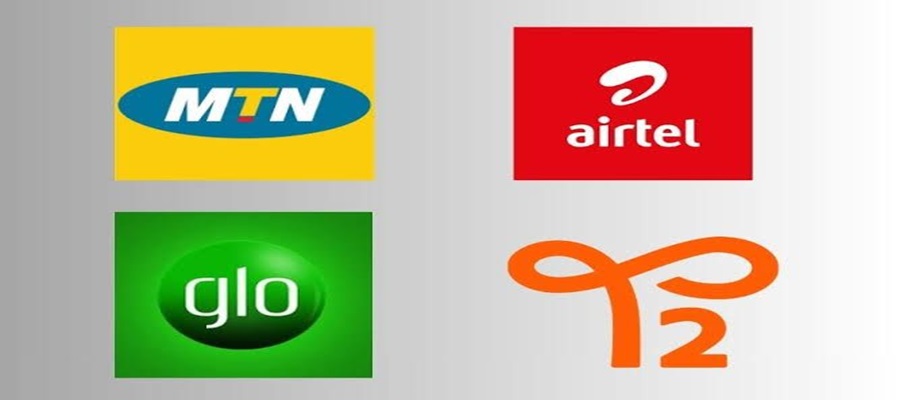
The invitation list includes MTN Nigeria, Airtel Nigeria, Globacom and Mafab Communications. The NCC confirmed it passed the invitations directly to the CEOs. Lawmakers had previously weighed arrests but chose to give the operators another chance.
Why the Committee Rejected the Industry Group
The Association of Licensed Telecommunications Operators of Nigeria (ALTON) asked to represent the companies. The committee, chaired by Olumide Osoba, refused. Its position is that each operator holds a separate license from the Federal Government, so each must answer for its own performance, and that chief executives and senior management must account for it personally.
ALTON chairman Gbenga Adebayo reportedly wrote to the committee questioning its authority. Lawmaker Sunday Umeha pushed back, citing Section 88 of the 1999 Constitution, which gives the National Assembly investigative powers. Operators cannot use association membership to avoid statutory obligations
, he maintained. House spokesman Akin Rotimi added that subscribers deal with individual providers and want direct accountability.
The committee also raised a reported ₦8.46 billion fine imposed on Globacom, questioning whether Adebayo could speak to the regulatory problems of individual operators while representing the whole association. Umeha’s motion to compel the operators’ appearance passed by voice vote, and the committee adjourned until November 4.
Dead Zones and Two Deaths in Ekiti
Subscribers have complained of dropped calls, slow internet, failed transactions and patchy coverage, and those complaints have continued despite earlier regulatory interventions. Rotimi described the problem in his Ekiti State constituency, where he alleged two traditional rulers died in an ambush while mobile signals were absent for about 20 minutes. Without coverage, victims cannot place emergency calls, which he said turns a service gap into a security risk. He accused operators of favoring profitable urban areas over underserved rural communities.
Hashlytics Take
The committee’s strongest card is not the arrest threat but the license argument. If each operator is licensed individually, a trade association has no standing to answer for them, and ALTON’s stand-in request looks more like a shield than a procedural courtesy. The weak point is credibility. Lawmakers have raised arrests before and backed off, so executives may reasonably wonder whether November 4 is any different. What happens when the committee sits will say more about its leverage than any statement before it. If the CEOs show up, the exchange will likely center on rural coverage and the Globacom fine, where the committee has concrete claims to press. If they do not, the committee will have to either follow through or concede that the threat was a bluff.
Follow Hashlytics on Bluesky, Facebook, LinkedIn , Telegram and X to Get Instant Updates