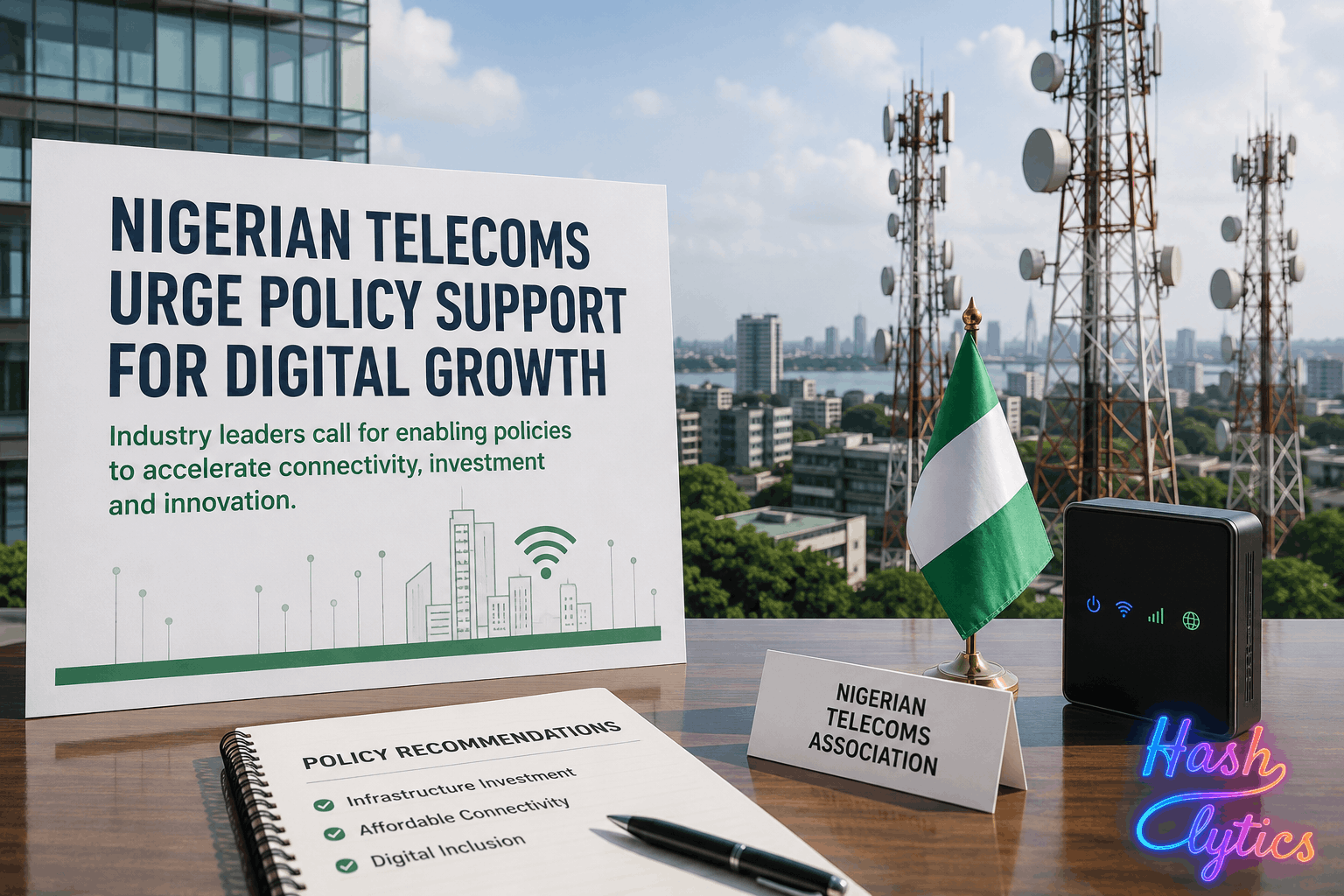
From Half a Million Lines to 200 Million Subscriptions
The growth trajectory has been remarkable. Nigeria’s telecom sector evolved through GSM, GPRS, EDGE, 3G, 4G, and now 5G broadband infrastructure. Operators invested billions into mobile networks, fiber-optic infrastructure, data centers, cloud platforms, renewable energy, and next-generation connectivity.
This infrastructure now underpins critical services across banking, education, and healthcare. Digital connectivity has become inseparable from economic activity in Nigeria. The challenge: maintaining and expanding this foundation while facing multiple headwinds.
The Infrastructure Crisis Nobody Talks About
Engr. Gbenga Adebayo, ALTON Chairman, detailed these threats at the Nigeria Information Technology Reporters Association (NITRA) Innovative Conference 2026. The problems are both systemic and immediate:
- Widespread fiber-optic infrastructure vandalism disrupting banking and healthcare services
- Multiple taxation schemes eroding operator margins and investment capacity
- Inconsistent Right-of-Way policies delaying network expansion projects
- Rising energy costs and foreign exchange volatility
- Road construction damage and poor electricity supply impacting network performance
- Affordability pressures limiting service expansion to underserved areas
These aren’t abstract problems. When fiber lines get cut, banks go offline. When Right-of-Way approvals stall, 5G rollout pauses. When energy costs spike, network quality suffers.
The Tariff Clarification Nobody Expected
Recent media reports sparked concern about imminent retail tariff increases. Adebayo moved quickly to clarify: there’s no industry proposal seeking higher consumer tariffs. The NCC‘s ongoing Mobile Termination Rate (MTR) cost study is a wholesale interconnection pricing review, not a prelude to consumer price hikes.
In fact, the commission has challenged operators to do the opposite: improve customer experience and expand network resilience while managing costs. That’s a tougher needle to thread than simply raising prices.
What’s Working: Recent Wins
ALTON acknowledged progress under President Bola Tinubu’s administration and under Dr. Aminu Maida‘s leadership at the NCC. Recent achievements include:
- Resolution of the USSD debt dispute that threatened operator viability
- Implementation of the Critical National Information Infrastructure framework for better security oversight
- A more transparent regulatory approach overall
These moves matter because they show regulators understand the sector’s structural challenges. But one-off wins don’t fix systemic issues.
The “Whole-of-Society” Approach Nigeria Needs
ALTON’s solution isn’t just asking for government handouts. Instead, the association is advocating for a collaborative framework involving government, security agencies, utility providers, construction firms, and host communities. Citizens would also play a role by reporting infrastructure vandalism.
This is framed as a shared national responsibility because it genuinely is. A compromised telecom network isn’t just bad for operator profits—it’s bad for the entire economy. When banks go offline, small businesses suffer. When healthcare networks fail, patients are at risk.
The Opportunity Window
Emerging technologies like AI, IoT, cloud computing, and satellite broadband offer genuine opportunities for deeper digital inclusion across Nigeria. Achieving universal connectivity requires sustained investment and robust infrastructure. But that investment won’t happen if operators face a combination of vandalism, inconsistent policy, multiple taxation, and currency volatility.
The conversation ALTON is pushing isn’t about protecting operator margins—it’s about recognizing that the telecom sector can’t shoulder these burdens alone. Without policy reform and infrastructure protection, the digital economy that Nigeria has spent 20 years building will stagnate precisely when it should be accelerating.
Follow Hashlytics on Bluesky, LinkedIn, Telegram and X to Get Instant Updates