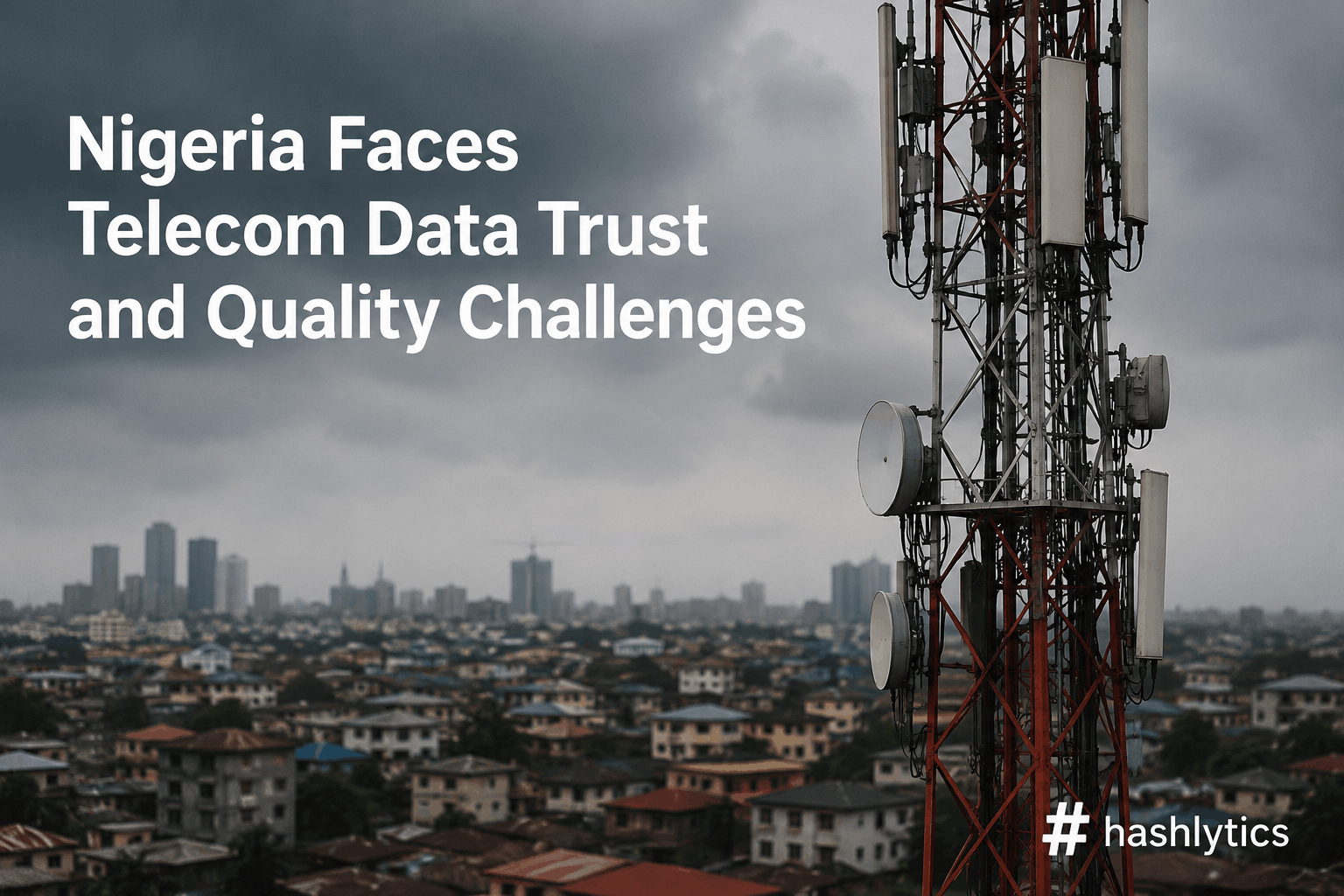
The issue has persisted for years, but it’s reaching a critical point. The Nigerian Communications Commission (NCC) has intervened repeatedly, most recently dedicating an entire Telecom Consumer Parliament to the problem in 2023. Yet despite multiple investigations and audits by independent auditors finding no evidence of systematic data theft by providers, consumer frustration continues to mount.
MTN Nigeria Takes the Problem Public
Rather than let tensions simmer, MTN Nigeria decided to confront the issue head-on. On Saturday, June 6, 2026, the company hosted “Data on Trial” at MTN Plaza in Ikoyi, Lagos. The event brought together an unusual lineup: aggrieved consumers, regulators, technology experts, and content creators. The goal was simple but ambitious: to understand exactly how data is measured, consumed, and managed in modern Nigeria.
Moderated by media personality Ebuka Obi-Uchendu, the session tackled one of the telecom industry’s most persistent headaches. MTN Nigeria CEO Karl Toriola acknowledged the gravity of the situation, signaling that the company takes the data consumption debate seriously. This public conversation represented a shift in how the operator handles customer complaints, moving from defensive statements to direct engagement.
The Real Problem: How We Use Data Has Changed
During the forum, the real culprit began to emerge. It’s not necessarily that operators are stealing data. Rather, the digital landscape has fundamentally shifted.
High-definition video streaming, video calls, cloud storage backups, automatic application updates, and AI-powered tools now demand vastly more bandwidth than they did just a few years ago. Older smartphones consumed data at a fraction of the rate of today’s devices with high-resolution screens and feature-rich ecosystems.
Muhammad Kabir Aliyu, Senior AI User Researcher at Tecno, pointed to another culprit: background activities most users never see. Automatic app updates, cloud backups, push notifications, and operating system updates silently consume data around the clock. Many subscribers simply don’t realize these invisible processes are eating through their bundles.
Moving Toward Transparency
To address the trust deficit, MTN rolled out a new tool during the event: its Data Usage Portal. The platform gives customers visibility into exactly which applications are consuming their data. KPMG’s Collins Onah independently validated the portal, confirming that the data displayed matched MTN’s actual usage records perfectly.
This is a significant step. For years, subscribers felt blind to their consumption patterns. Now they can track which apps drain their bundles fastest and adjust behavior accordingly.
Broader Infrastructure Issues at Play
The forum touched on problems beyond just data consumption. Network quality complaints, fiber cuts, infrastructure vandalism, and service delivery gaps all factor into the customer experience. Ugonwa Nwoye, Chief Customer Relations and Experience Officer at MTN Nigeria, emphasized the company’s commitment to listening and explaining how network operations actually work.
She also announced upcoming initiatives: a new customer-facing data portal and a nationwide Data Experiment in partnership with Lagos Business School. These moves signal MTN’s recognition that transparency and dialogue are the way forward.
What This Means for Nigerian Telecoms
The “Data on Trial” event reflects a broader tension in Nigeria’s telecom sector. Operators must balance consumer expectations with the realities of modern data consumption patterns. Regulators must enforce accountability while avoiding overly prescriptive rules that stifle innovation.
As digital services become more central to daily life, the pressure on operators to explain their billing, improve transparency, and deliver reliable service will only intensify. The conversation that started at MTN Plaza is likely just the beginning of a longer reckoning across the industry.
Follow Hashlytics on Bluesky, LinkedIn, Telegram and X to Get Instant Updates