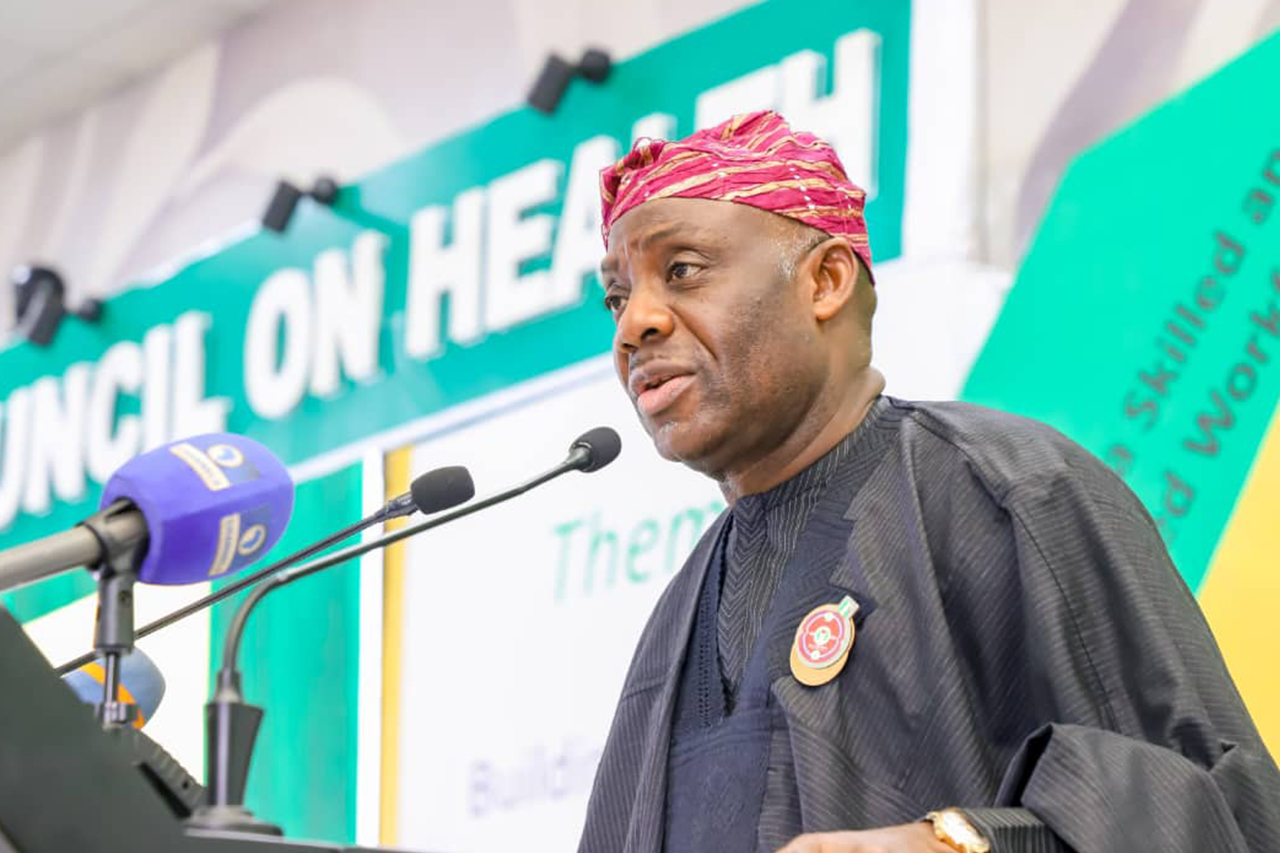
The move comes as the country grapples with significant education challenges, including an estimated 18.3 million out-of-school children and widespread learning deficits. Education Minister Dr. Tunji Alausa confirmed the platform’s launch on Wednesday, stating that DNEMIS will serve as Nigeria’s primary repository for education data and that reliable information is essential for successful education reform.
What the Platform Tracks
The new system is designed to provide real-time information on multiple educational aspects. It captures details on schools, classrooms, teachers, learners, computer laboratories, and essential facilities including water, sanitation, hygiene, and electricity.
This comprehensive data will help the government identify gaps, efficiently deploy teachers, track enrolment, and direct funding to communities most in need. The integration of granular facility data is particularly important for understanding which regions lack basic resources.
Current Submission Progress
With 213,235 schools nationwide, Nigeria has achieved significant initial adoption. According to data from the Federal Ministry of Education, 124,548 schools have already submitted their information, representing a 58.4 percent reporting rate.
The system has captured data for over 40.1 million learners, nearly 1.2 million teachers, 730,447 classrooms, and 607,508 toilets. Public schools are leading compliance at approximately 90 percent, while private schools are at about 50 percent. This discrepancy reflects a key challenge for the government going forward.
Closing the Private School Gap
Private school participation remains critical to the system’s success. Nearly three-quarters of junior secondary schools in Nigeria are privately owned, making their inclusion essential for accurate national statistics.
Dr. Alausa urged private school owners to register, assuring them the exercise is not for taxation purposes. He emphasized that without comprehensive private school data, the government cannot build an accurate picture of the nation’s education landscape or identify systemic challenges.
Addressing Education Crises
The urgency behind DNEMIS reflects deep concerns about education quality and access. The World Bank reports that around 70 percent of Nigerian children struggle to read and understand a simple age-appropriate text by age 10. This foundational literacy crisis demands evidence-based solutions.
The platform is expected to support targeted reforms in foundational literacy, digital learning, and technical education. Dr. Alausa called on state governments to increase awareness campaigns to ensure full school participation and reach the remaining 41.6 percent of schools still pending submission.
Building Data Infrastructure
Implementation delays for DNEMIS were resolved with support from multiple development partners: the World Bank, the European Union, the Norwegian Government, and UNICEF. This international collaboration signals the importance of reliable education data for development outcomes across West Africa.
The National Bureau of Statistics is now integrating with DNEMIS to create a single, authoritative source of education data for Nigeria. Bureau Director-General Semiu Adeniran stated that his agency will use household surveys and Small Area Estimation data to validate information on the education database.
The digital platform is positioned to become Nigeria’s definitive source for education data, strengthening evidence-based policymaking for over 50 million learners. Full participation would provide policymakers with the comprehensive information needed to address learning gaps, teacher shortages, and infrastructure deficits systematically.
Follow Hashlytics on Bluesky, LinkedIn, Telegram and X to Get Instant Updates