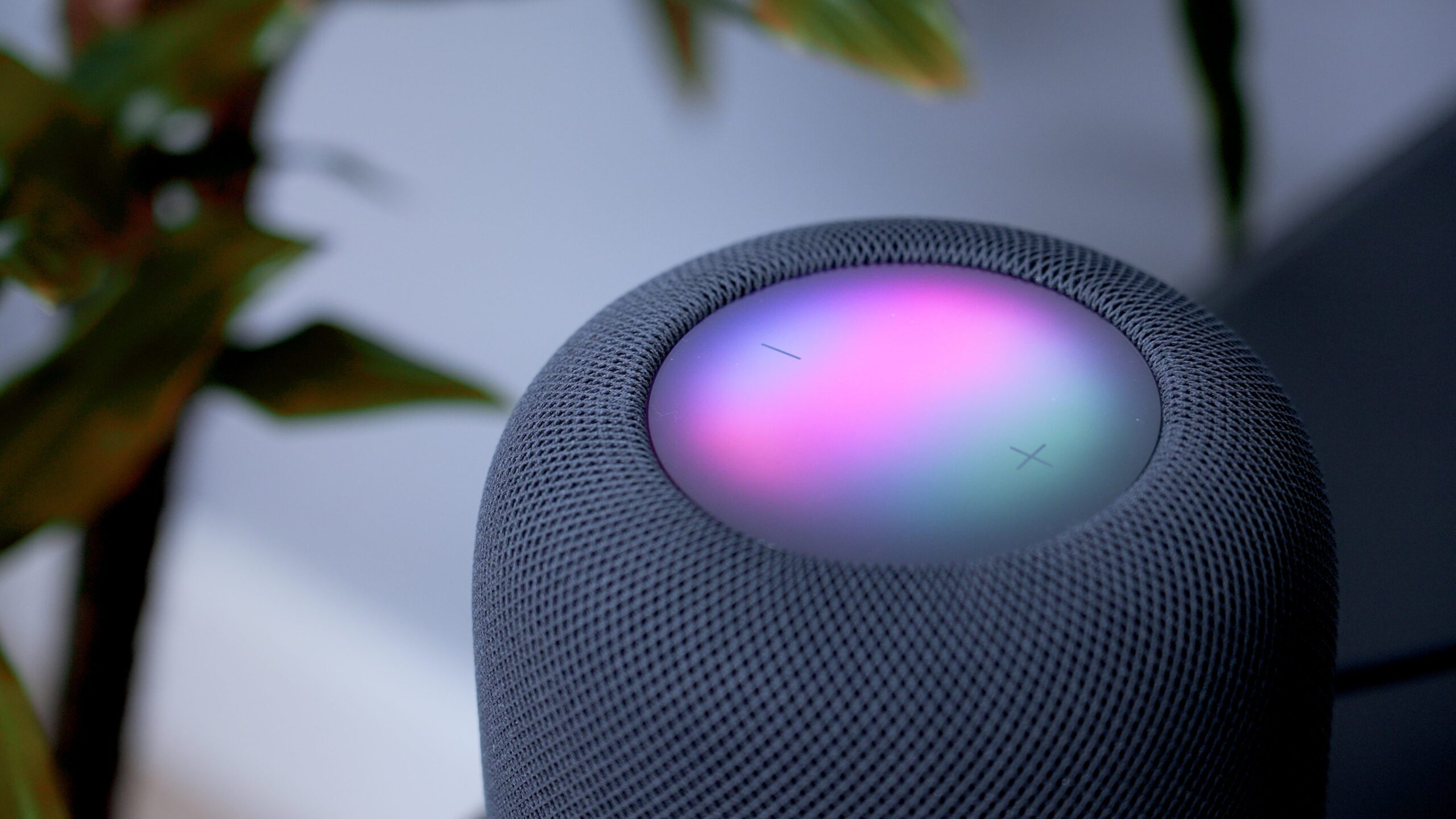
The Physical Design
The doughnut shape isn’t just aesthetic. It’s designed for portability, allowing users to move it between rooms or place it on any surface. But this isn’t a passive speaker. The device will feature microphones, a camera, and environmental sensors to understand its surroundings beyond voice commands alone.
The real magic is in the details. Lights will indicate when the AI is listening or responding. Parts of the device will actually move during interactions, giving it an expressive, character-like presence. OpenAI is collaborating with former Apple design chief Jony Ive and his LoveFrom studio on the device, suggesting polished execution. The company’s goal is clear: evoke the feeling of beloved characters like WALL-E or R2-D2 rather than releasing another lifeless smart speaker.
How It Actually Works
Voice is the primary interface. The device will run ChatGPT for daily assistance, handling tasks like controlling smart home appliances, playing media, answering questions, and responding to messages. But the real innovation is how it learns.
The AI will become more familiar with its owner over time. Conversations will adapt based on routines, preferences, and past interactions. This means the assistant can offer help proactively, before users even think to ask. It’s moving away from the reactive “tell me what you want” model toward something that anticipates needs.
OpenAI’s recent ChatGPT Live introduction shows the company has made significant strides in human-like conversations. This device will leverage that work.
This isn’t just a speaker. OpenAI is making a calculated bet that the future of AI isn’t in your pocket or on your desk. It’s in your home, with a physical presence you can interact with naturally. Apple is reportedly exploring a similar concept for future AirPods, suggesting this is becoming the industry’s next frontier.
Greg Brockman, OpenAI’s president, has already confirmed the company is building an entire family of devices. This doughnut-shaped companion is just the beginning. The $300 to $400 price point signals OpenAI sees this as a premium product category, not a commodity.
The Strategic Play
For OpenAI, hardware solves a real problem. It gives ChatGPT a permanent place in users’ lives, not just a browser tab or app they might forget to open. It’s presence marketing at its most literal. The company gets closer to users, collects behavioral data, and deepens dependency on its AI services.
For consumers, it offers something genuinely different from existing smart speakers. The expressive design, personalization potential, and direct access to OpenAI’s most advanced models create a compelling package. Whether $300 to $400 feels justified will depend entirely on execution.
The 2027 launch gives OpenAI time to refine the hardware while the AI models mature. By then, expect voice interaction to feel significantly more natural than it does today. This could either revolutionize how people interact with AI at home, or it could become another expensive novelty gathering dust. The device’s success will hinge on whether OpenAI can deliver on the promise of an AI companion that actually feels like it knows you.
Follow Hashlytics on Bluesky, Facebook, LinkedIn, Telegram and X to Get Instant Updates