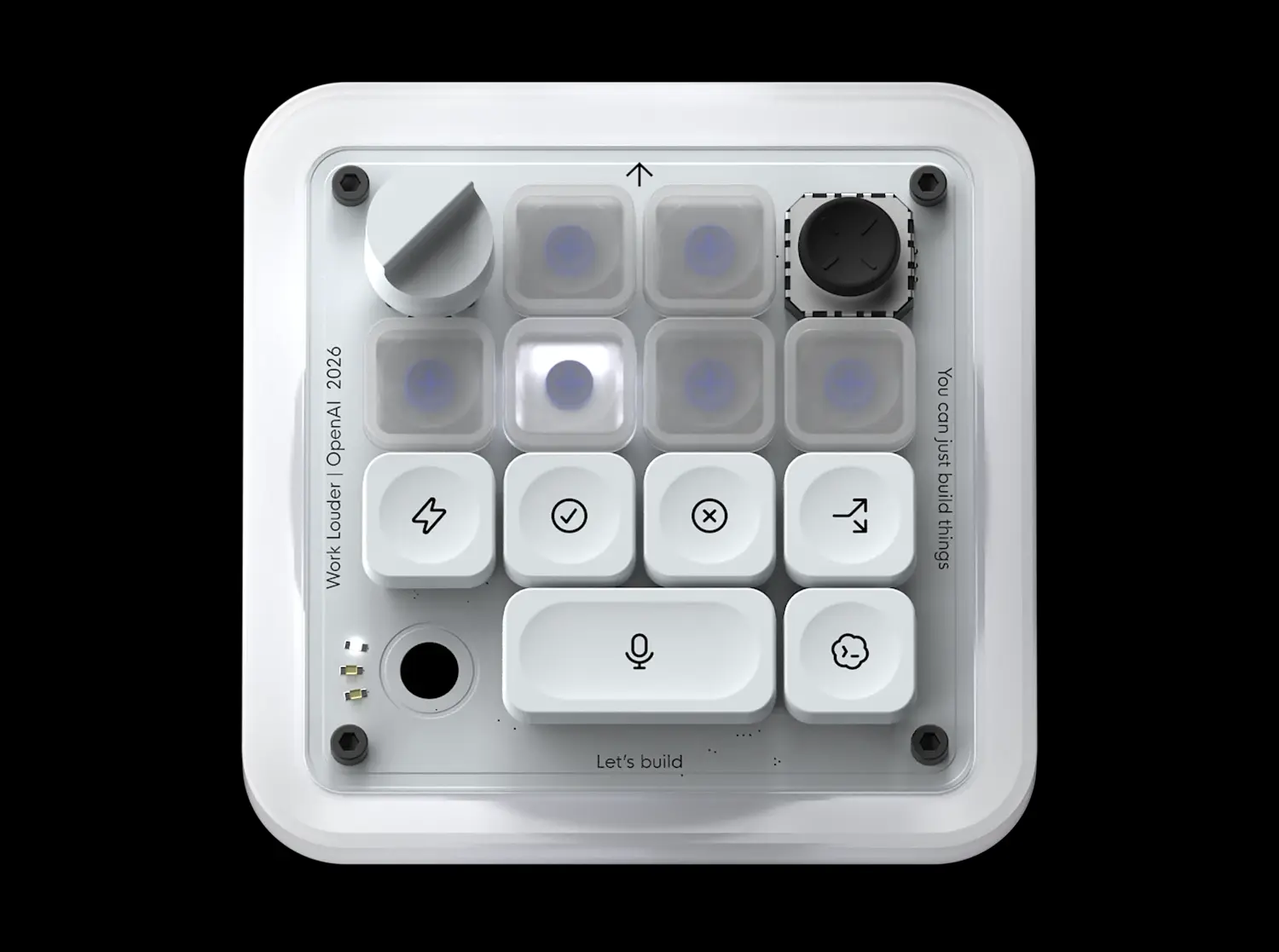
A New Type of Interface
The keypad is a micro-sized device engineered specifically to interact with OpenAI’s Codex AI agents. Rather than relying solely on traditional screen and keyboard interfaces, this physical controller offers a dedicated way to manage and command the company’s sophisticated AI systems.
This development represents a tangible shift in how OpenAI sees the future of human-AI interaction. The company appears to be betting that direct, tactile control over AI agents will become increasingly important as these systems handle more complex tasks.
What Codex Agents Do
Codex agents translate natural language instructions into working code. They handle programming tasks, automate complex operations, and assist developers in ways that traditionally required manual typing and configuration. A dedicated keypad gives users a faster, more intuitive way to issue commands and receive feedback without constantly switching between applications and tools.
Part of a Broader Trend
OpenAI is not alone in this direction. The industry is increasingly focused on building specialized interfaces for AI agent platforms. Cadence recently launched AuraStack, an AI agent platform specifically designed for circuit boards and chip packaging. New implementation companies like Ode by Anthropic and Blackstone are emerging to help organizations deploy and utilize AI solutions at scale.
What ties these developments together is a simple insight: generic interfaces do not work well for specialized tasks. As AI agents become more capable and more essential to professional workflows, the tools used to control them need to evolve accordingly.
Implications for the Industry
This hardware move could influence how other AI developers think about user experience. If OpenAI’s keypad succeeds, it may encourage competitors to develop their own specialized hardware. We could be looking at a future where different AI platforms ship with purpose-built controllers tailored to their specific capabilities.
The keypad also hints at OpenAI’s confidence in Codex agents as a core product. Physical hardware represents a significant commitment and manufacturing complexity. That OpenAI is willing to invest in this suggests the company sees sustained demand from developers and professionals who rely on these tools.
What Happens Next
The real question is whether specialized hardware for AI agents becomes a category or remains a niche product. Early adopters will determine the answer. If developers embrace the keypad and find genuine productivity gains, similar hardware could follow. If adoption remains limited, this might be remembered as an interesting experiment rather than a market-defining moment.
Either way, OpenAI’s move signals that the era of pure software is shifting. Companies are now thinking about how people physically interact with AI, not just how they conceptually understand it.
Follow Hashlytics on Bluesky, LinkedIn, Telegram and X to Get Instant Updates