Pentagon Expands AI Integration Across Classified Networks
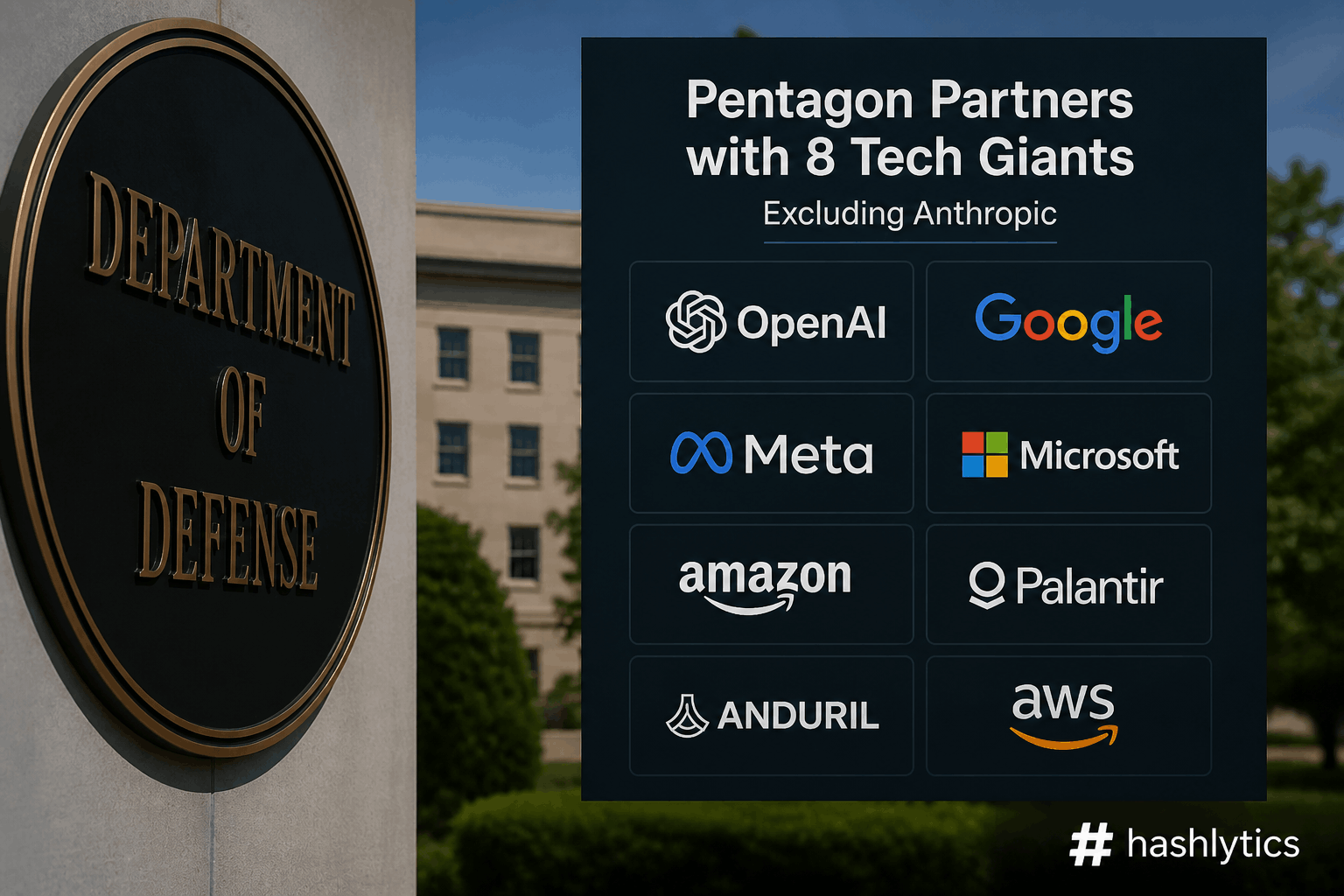
The Pentagon announced on Friday that it has secured the deal with eight industry leaders to deploy advanced AI capabilities. The participating firms include OpenAI, SpaceX, Nvidia, Oracle, Google, Microsoft, Amazon Web Services, and Reflection. This initiative is designed to streamline data synthesis, elevate situational understanding, and augment warfighter decision-making in complex environments.
According to the official news release, this collaboration is a direct result of the recent federal spending bill, which allocated significant funding for AI innovation. The department intends to leverage these private-sector tools to maintain a technological edge in national security operations.
Anthropic Excluded Following Safety Policy Disputes
While eight firms joined the initiative, the Trump administration notably blacklisted the company Anthropic from the agreement. The Pentagon has formally designated Anthropic as a supply-chain risk, a label typically reserved for entities associated with foreign adversaries. This decision effectively bars the company from accessing critical federal contract revenue streams available to its competitors.
The friction stems from Anthropic’s refusal to align with specific Pentagon requirements regarding the use of its technology in autonomous lethal warfare and mass domestic surveillance. The company has been citing safety and responsibility concerns as the primary justification for its stance. Consequently, the firm is currently involved in legal proceedings as it fights the administration’s ban in the courts.
Industry Implications and Ethical Guardrails
The exclusion of Anthropic raises fundamental questions about the balance between innovation and regulatory control. During a recent interview, Pentagon technology chief Emil Michael emphasized that any AI principles adopted by contractors must remain consistent with the department’s specific mandates and national security values.
Whether other tech giants will adhere to similar ethical constraints remains a point of contention. OpenAI has publicly stated that its contract includes safeguards against the use of its tools for mass surveillance or autonomous weaponry. However, the broader industry must now navigate the precedent set by this exclusion as Washington intensifies its efforts to regulate the deployment of AI in sensitive government systems.
Future Outlook and Lingering Uncertainties
The administration may be reconsidering its position, as reports suggest potential renewed discussions with Anthropic following the company’s recent development of its cybersecurity tool, Mythos. The company has not yet released this technology publicly, fearing its potential misuse by malicious actors to target critical financial and government infrastructure.
What remains unclear is how these rival companies will manage the long-term trade-offs between securing lucrative defense contracts and maintaining their internal ethical standards. As Federal judge calls Pentagon’s ban of Anthropic ‘troubling’ suggests, the legal and regulatory landscape surrounding this partnership will likely remain in flux for the foreseeable future.
Follow Hashlytics on Bluesky, LinkedIn , Telegram and X to Get Instant Updates