Honor’s upcoming Win Tablet will feature a built-in cooling fan, integrating Qualcomm’s chip alongside an OLED display. It’s an expansion of active cooling from Honor’s smartphone line into tablets, addressing the growing challenge of maintaining peak performance in thin mobile devices.
Why Cooling Became the Real Battleground
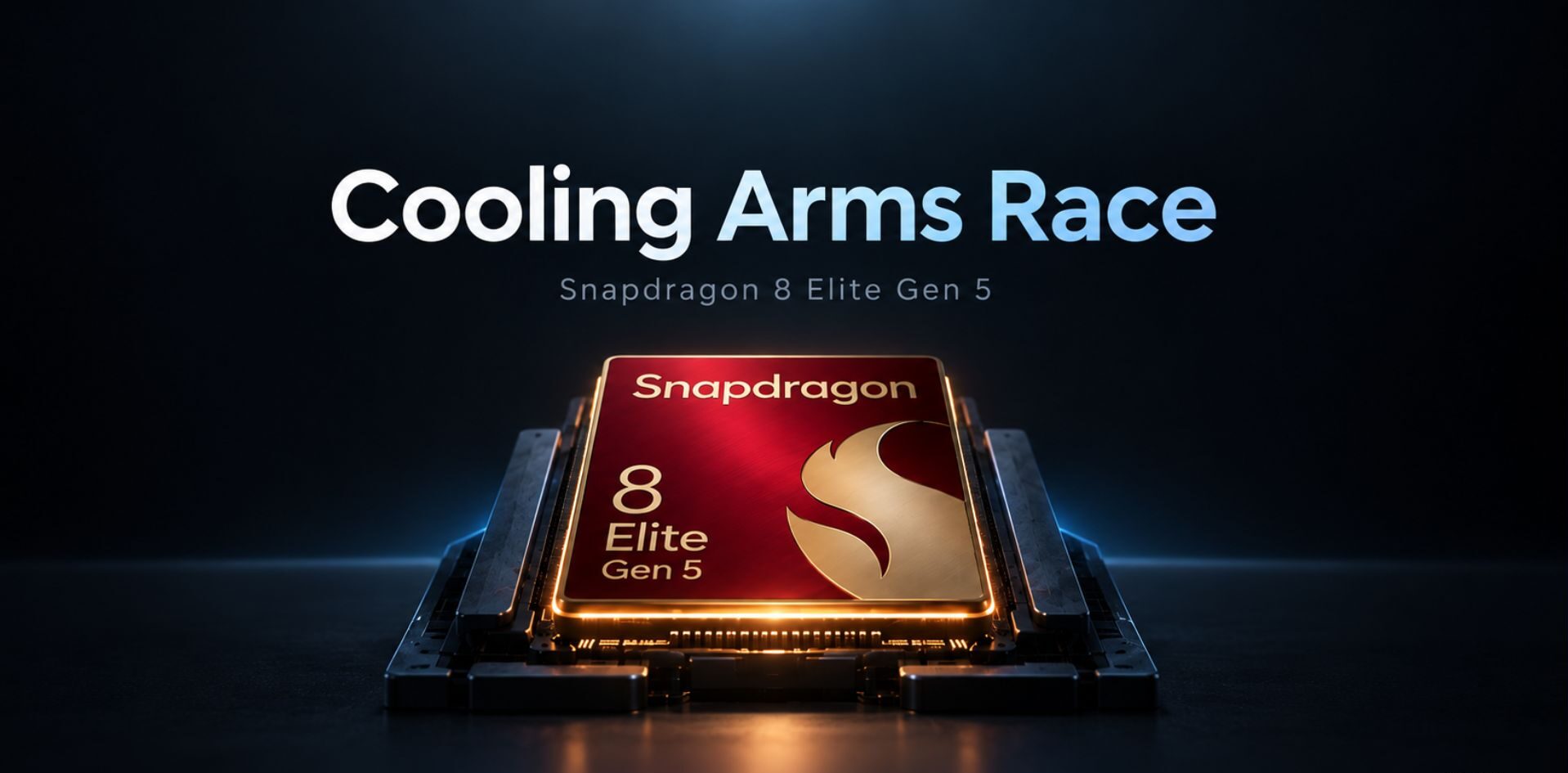
Qualcomm claims significant generational improvements for the Snapdragon 8 Elite Gen 5, including a 20% faster CPU and a 23% GPU performance boost. Achieving those gains consistently under load is proving to be a different story. Testing reveals that a device’s cooling system now impacts sustained performance as much as the silicon itself.
Manufacturers are taking noticeably different approaches to manage the chip’s heat output. RedMagic’s Astra 2 tablet goes aggressive, packing in a liquid cooling loop, liquid metal, and a large vapor chamber. Lenovo’s Legion Tab Gen 5 takes the opposite route, relying on an unusually large passive cooling system for the same platform. Honor’s fan-equipped tablet adds a third distinct strategy to the mix, according to tech news reports.
Peaks Don’t Tell the Full Story
The real test is sustained performance over extended periods, not the first thirty seconds of a benchmark. Stress tests show passively cooled devices can lose over half their peak performance under prolonged load. Active cooling systems, like RedMagic’s, aim to hold roughly 80% stability during demanding graphics tasks, which matters far more for long gaming sessions than any single peak number.
Hardware isn’t the only lever here either. Software plays a real role in how aggressively a Snapdragon device runs and when it decides to throttle. OnePlus adjusted its OnePlus 15’s thermal behavior through software to improve stability under stress, trading slightly lower initial benchmarks for more consistent frame rates over time.
What This Means for Buyers
- Chip name alone no longer predicts real-world gaming performance
- Devices like Samsung’s Galaxy S26 Ultra can lead early graphics tests, then lose that edge to thermal throttling within minutes
- Cooling system design now determines how much of a chip’s advertised power actually survives past the first burst
Hashlytics Take
The interesting shift here isn’t the fan on Honor’s tablet, it’s that Qualcomm’s own chip has gotten fast enough to expose how much of “performance” was always a cooling problem in disguise. Expect spec sheets to keep listing CPU and GPU gains front and center while the actual differentiator moves to something most buyers never think to check: how a device is built to shed heat over an hour, not a benchmark run.
Follow Hashlytics on Bluesky, Facebook, LinkedIn , Telegram and X to Get Instant Updates