-0.15%
+0.34%
+0.01%
+5.68%
+4.26%
-0.46%
What the Legislation Would Address
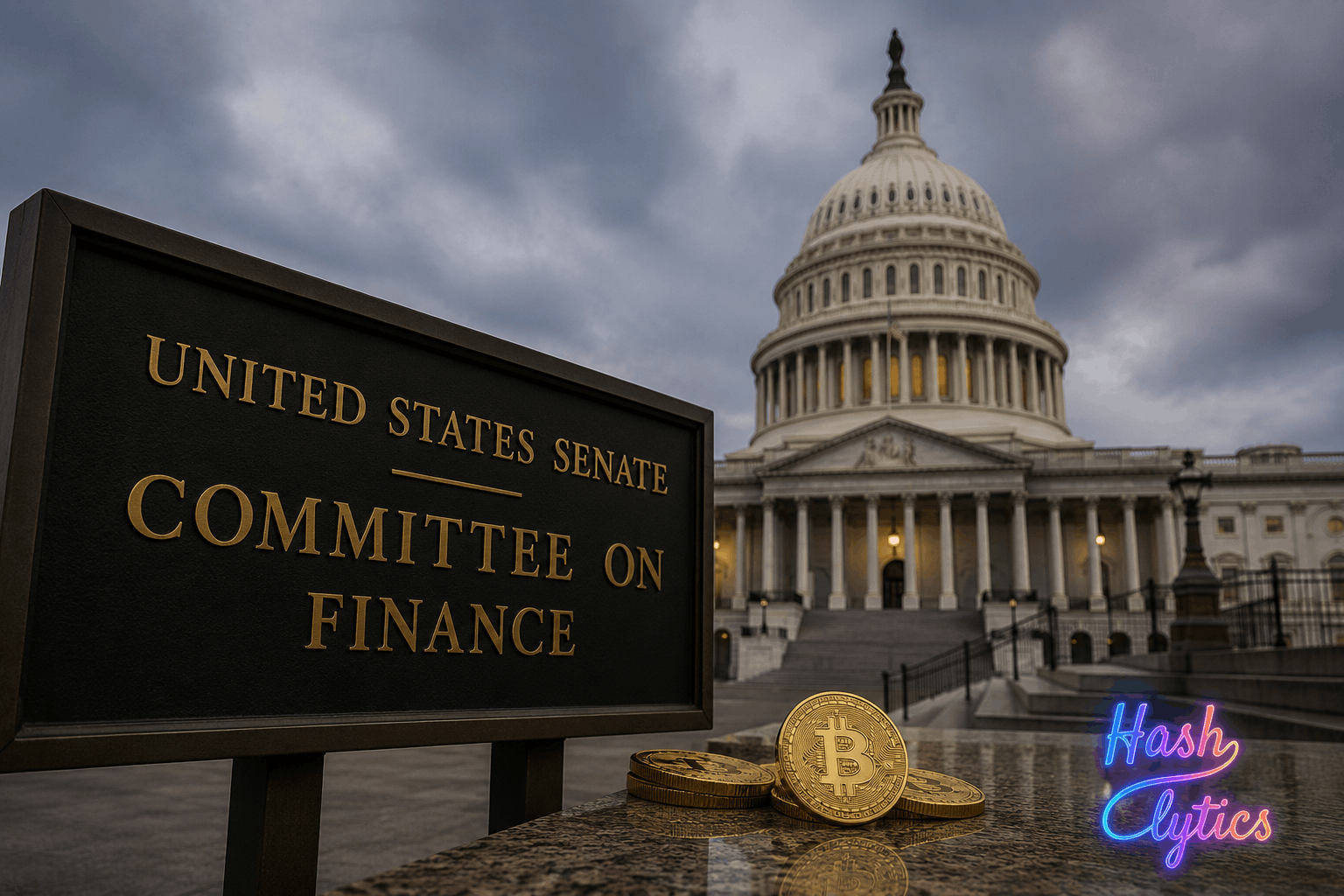
Lawmakers in Washington are increasingly focused on cryptocurrency taxation as digital asset adoption grows across the country. Senate officials are crafting legislation to address capital gains reporting, staking rewards, mining income, DeFi transactions, and stablecoin activities. Current tax guidance struggles to cover many emerging blockchain use cases, so the anticipated fall 2026 release signals a genuine commitment to modernizing these financial guidelines.
The crypto industry has long advocated for updated tax rules aligned with technological innovation. Investors currently struggle to identify taxable events in complex scenarios like staking, token swaps, liquidity pools, and various DeFi protocols. New legislation aims to introduce clearer definitions, standardized reporting requirements, and updated compliance procedures. These measures could reduce confusion and strengthen tax enforcement while potentially encouraging broader cryptocurrency adoption.
Reporting Requirements and Compliance
A key aspect of the proposed legislation involves digital asset reporting obligations. Regulators want stronger reporting mechanisms to improve tax compliance and reduce underreported cryptocurrency gains. However, industry stakeholders advocate for practical rules that recognize the unique nature of blockchain transactions and decentralized networks.
Tax experts believe the Senate proposal could establish clearer standards for brokers, exchanges, and custodians, improving transparency across the crypto ecosystem. Market participants are also watching for potential exemptions for small transactions or personal digital asset transfers. The goal is finding balance between regulatory oversight and practical compliance for everyday users and institutional players alike.
Market Impact and Institutional Confidence
Comprehensive crypto tax legislation could have significant implications for the wider digital asset market. Regulatory clarity typically attracts institutional investors, who prefer predictable compliance environments before increasing cryptocurrency exposure. A more defined tax framework could strengthen confidence among financial institutions, fintech firms, and technology companies developing blockchain-based products and services.
Industry leaders view tax certainty as critical for long-term cryptocurrency growth in the United States. When institutions understand their tax obligations clearly, they’re more likely to commit meaningful capital to the space. This legislative effort could be the catalyst that brings mainstream finance more deeply into crypto markets.
As lawmakers continue refining the proposal, investors and businesses will closely monitor developments ahead of the expected fall 2026 release. This legislation could become one of the most important crypto policy initiatives in recent years, shaping the future of digital asset taxation and regulatory oversight across the US market.
The timeline suggests Congress is taking this seriously. Getting a major piece of financial legislation through both chambers requires months of deliberation and negotiation, so a fall 2026 target indicates work is already underway behind the scenes. For anyone operating in the crypto space, this is the legislation to watch.
Follow Hashlytics on Bluesky, LinkedIn, Telegram and X to Get Instant Updates