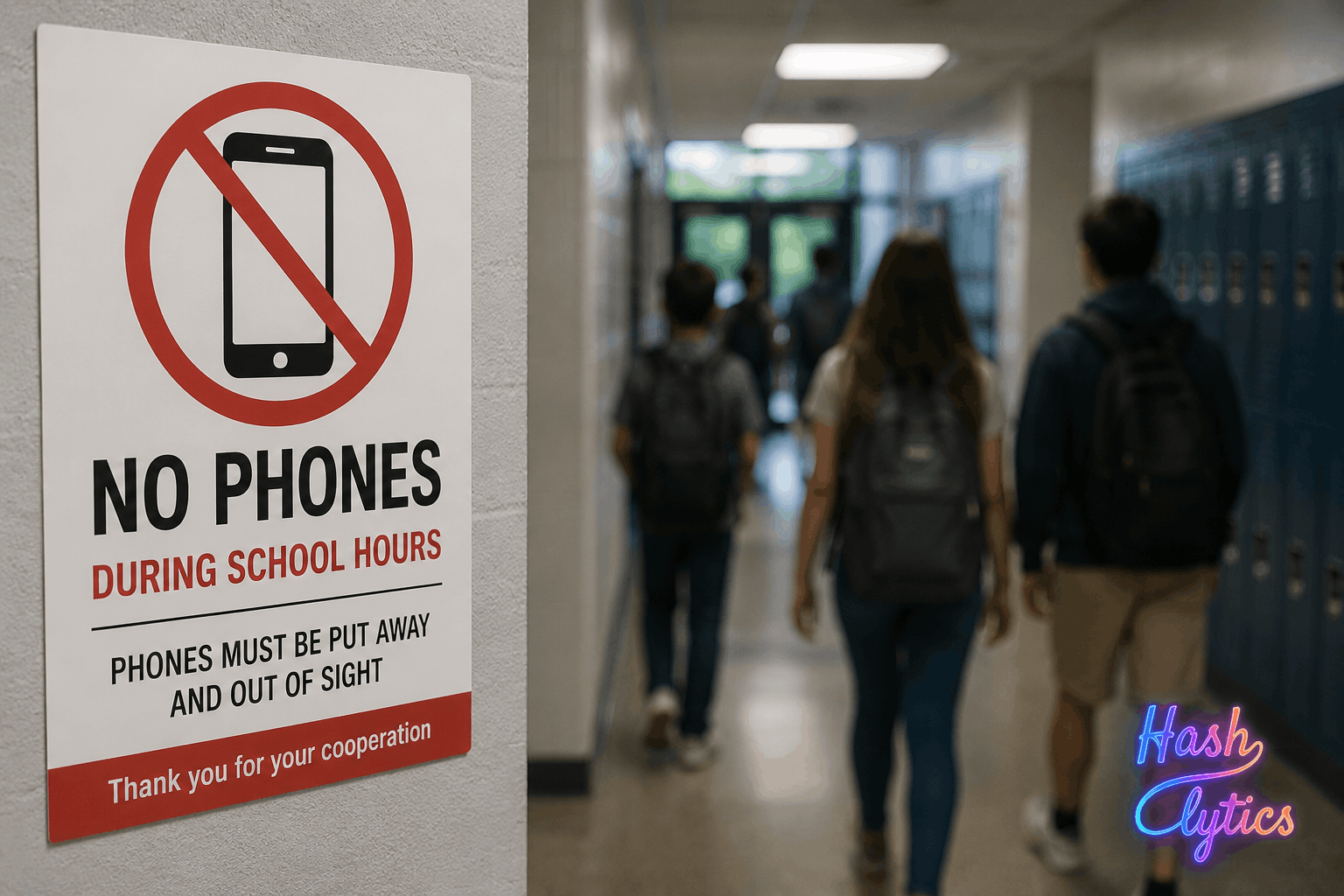
Multiple Parent Groups Rally Around the Issue
Mothers Against Media Addiction (MAMA) is leading the charge. The organization has mobilized families from all 13 Birmingham Public Schools and is backed by newer groups like Parents Allied for Accountability, Conduct, and Transparency. Regional organizations including ScreenWise Ann Arbor, MPASS, and REACT Tech are also pushing for expanded restrictions on cell phones.
Beyond the phone ban, parents are also demanding changes to iReady, an educational program they believe contributes to screen dependence. The movement reflects broader national concerns about technology’s role in classrooms. Downtown Publications has covered the growing momentum.
Why Tech Industry Insiders Are Backing the Ban
Sahar Omrani leads the local MAMA chapter and works as Vice President of Product at a technology company. Her insider perspective carries particular weight in the debate. Omrani argues that devices aren’t passive tools but actively engineered to capture attention.
When a child is on a device, the device is not neutral. It is actively competing for their attention. That is not a bug, it is the design. And when we place that competition in a classroom and ask a single teacher to outmaneuver it for 25-plus students simultaneously, we are setting everyone up to fail.
Her critique strikes at a fundamental problem: teachers can’t compete with systems designed by teams of engineers specifically built to maximize engagement and hold attention.
The Cognitive Decline Evidence
MAMA points to troubling research showing a measurable decline in thinking skills among Gen Z compared to older generations. Researchers suggest this marks the first time in modern history that one generation has shown cognitive performance lag behind its predecessor.
Scientists increasingly link this trend to screen prevalence in schools. Omrani and other tech executives contend that constant device access fragments student focus and undermines learning outcomes. The evidence has become difficult for skeptics to dismiss, especially when it comes from within the technology sector itself.
Protecting the Learning Environment
At its core, the Birmingham campaign centers on a simple but powerful idea: classrooms need to be spaces where eye contact, cognitive effort, and sustained attention are the default. Advocates argue these elements don’t happen naturally in an age of constant connectivity.
That culture doesn’t happen by accident. It is protected by policy, by leadership, by a community willing to say that some things matter more than convenience.
Omrani’s words reflect the fundamental conviction driving the movement. Creating a classroom culture that prioritizes learning isn’t about being anti-technology. It’s about making deliberate choices to protect what matters most.
The Birmingham push signals a potential shift in how school districts approach device policy. Rather than trying to manage phones during specific periods, these parents are arguing for something more radical: the creation of phone-free learning environments for the entire school day. Whether other districts follow this model could reshape how millions of students experience education.
Follow Hashlytics on Bluesky, LinkedIn, Telegram and X to Get Instant Updates