Tripling Performance on Budget Hardware
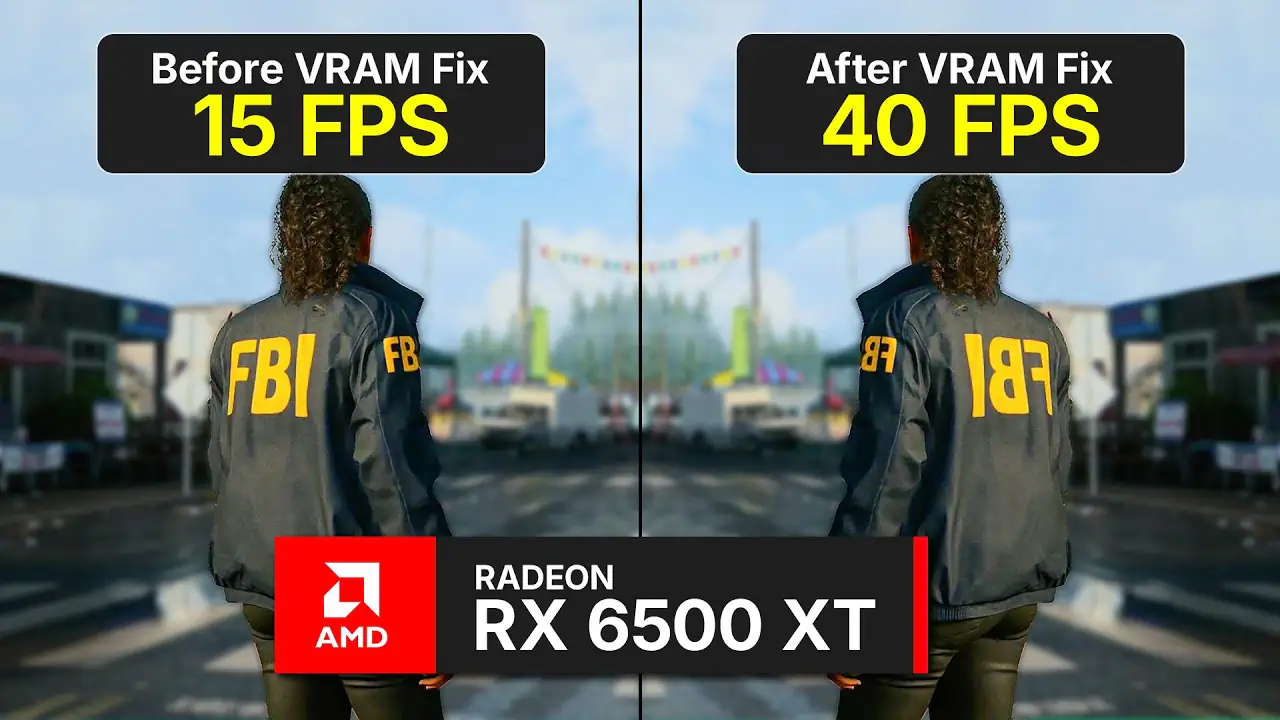
Independent benchmarking by the NJ Tech YouTube channel reveals the extent of Valve’s achievement. Testing used a modest setup featuring an AMD Ryzen 5 5600X processor paired with a Radeon RX 6500 XT graphics card equipped with just 4 GB of memory, a configuration many budget gamers rely on.
In Alan Wake 2 at 1080p and low settings, the optimization lifted average frame rates from an unplayable 14 FPS to 42 FPS. The critical 1% low frame rate metric improved from 12 to 32 frames, eliminating jarring stuttering that ruins immersion.
Resident Evil: Requiem showed similarly impressive gains. Average performance jumped from 62 to 70 FPS, while the 1% low benchmark surged from 29 to 49 frames per second, transforming a choppy experience into smooth gameplay.
How Valve’s Memory Management Works
The technology centers on efficient VRAM allocation, a critical constraint for entry-level accelerators. Budget cards like the RX 6500 XT ship with minimal onboard memory, forcing the GPU to repeatedly shuffle data between its limited cache and system RAM, creating bottlenecks.
Valve’s engineers implemented software-level improvements that optimize how textures, shaders, and geometry data are loaded and stored. Rather than forcing hardware upgrades, the solution allows affordable computers to run modern releases comfortably within existing constraints.
The optimization rolls out as a Linux-based update, reflecting Valve’s ongoing push to strengthen gaming on Proton and SteamOS platforms.
What This Means for Budget Gaming
This breakthrough addresses a real market need. Millions of gamers operate on tight budgets and cannot justify $400+ GPU investments. Tripling frame rates on existing hardware extends the lifespan of affordable systems and opens access to demanding modern titles that were previously unplayable.
The gains are particularly significant for competitive titles where consistent frame delivery matters. Jumping from 14 to 42 FPS transforms a game from unplayable to enjoyable, while stabilizing the 1% low metric eliminates the micro-stutters that plague low-end rigs.
For developers, Valve’s approach signals that optimization matters as much as raw hardware specs. Smart memory management can unlock performance without requiring players to replace their systems.
The Broader Context
Valve’s focus on budget hardware optimization aligns with its Proton strategy, which aims to make Linux a viable gaming platform. By improving performance on entry-level cards, Valve removes friction for players considering the switch from Windows.
The technology also reflects growing awareness that not all gamers have access to flagship hardware. During economic uncertainty, optimizations that extend affordable hardware lifespans carry real value.
Budget Gaming Just Became Viable Again
Valve’s memory optimization represents a meaningful shift in how the industry approaches performance. Rather than pushing players toward expensive upgrades, the company proved that careful engineering can unlock dramatic gains within existing constraints. For budget gamers tired of low frame rates, this breakthrough offers genuine relief without reaching for their wallets.
Follow Hashlytics on Bluesky, LinkedIn , Telegram and X to Get Instant Updates