Attack on OpenAI CEO Signals Extreme Backlash Against AI Industry
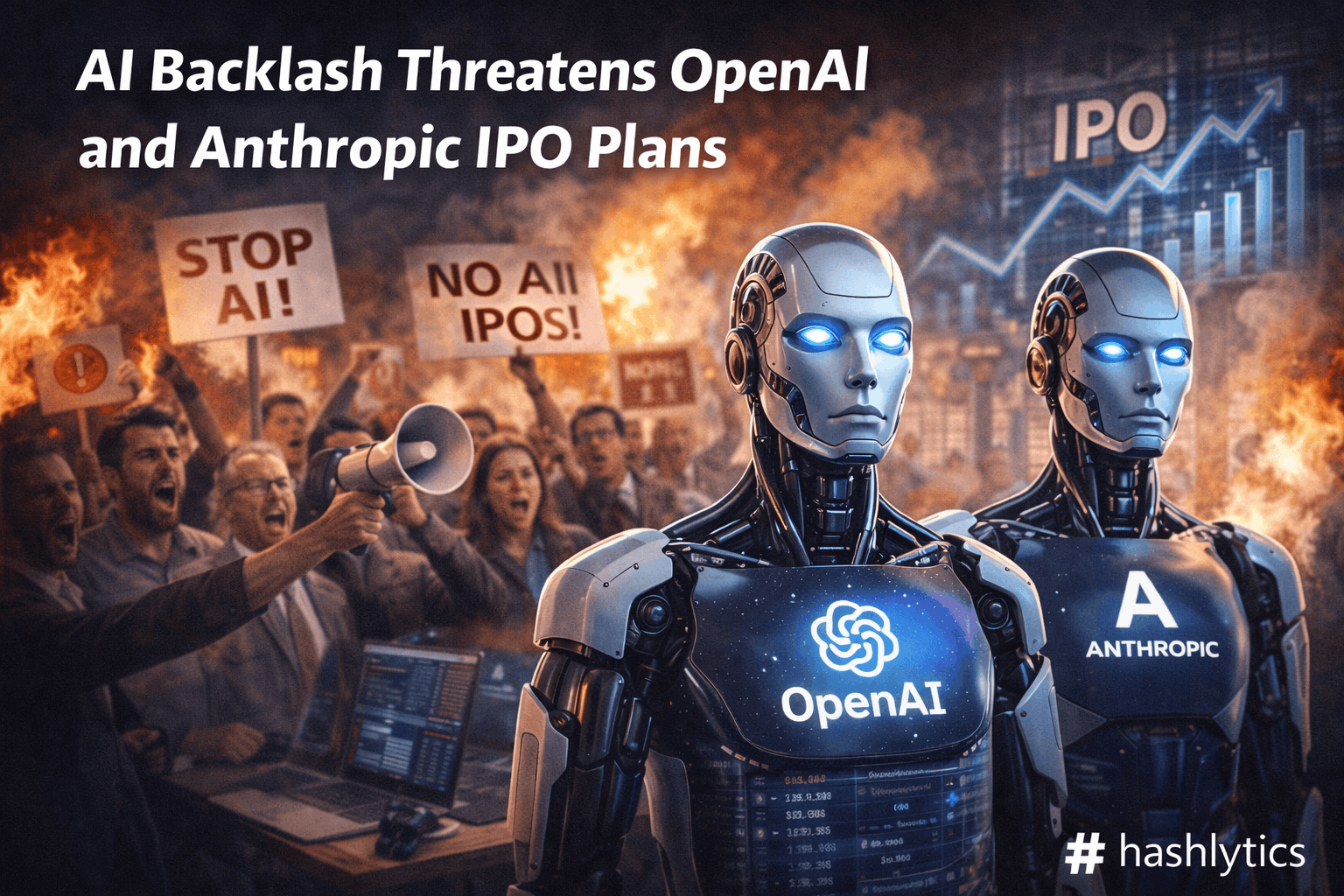
Sam Altman, OpenAI’s chief executive, became the target of a violent attack at his San Francisco home last week when a suspect threw a lit Molotov cocktail at his driveway gate. Daniel Moreno-Gama, a 20-year-old from Texas, now faces charges including attempted murder after prosecutors determined the crime was motivated by hatred of AI technology. Authorities also say Moreno-Gama threatened to burn down OpenAI’s headquarters.
In response, Altman acknowledged “great anxiety about AI” and called for de-escalation of both rhetoric and tactics. He wrote that while he empathizes with anti-technology sentiments, technological progress can ultimately create widespread benefit.
Majority of Americans Now Distrust AI’s Impact
Polling reveals a dramatic shift in public opinion. An NBC News survey found 57% of registered voters believe AI risks outweigh its benefits. A Quinnipiac University poll reported that 55% expect AI would cause more harm than good in daily life. A separate Pew poll confirmed that a majority of Americans are more concerned than excited about increased AI adoption.
AI is expected to become a central issue in upcoming midterm elections. This political scrutiny compounds challenges for artificial intelligence companies seeking public market access and investor confidence.
Data Center Opposition Blocks $156 Billion in Projects
The backlash extends beyond philosophical concerns to infrastructure. Data Center Watch reported that at least $156 billion in data center projects were cancelled or delayed during 2025 amid local opposition and litigation. These facilities are essential to powering advanced AI models, and Big Tech companies have committed roughly $700 billion this year to expand capacity.
Maine recently passed the first statewide data center ban, now awaiting the governor’s signature. In Missouri, voters in Lester ousted city council members who supported a proposed data center project, demonstrating grassroots resistance to AI infrastructure buildout.
IPO Timing Poses Critical Risk for Altman and Amodei
OpenAI’s valuation is heavily dependent on successful data center expansion, which the company describes as a strategic advantage. The firm plans to reserve a portion of its IPO for retail investors, with CFO Sarah Friar hoping consumers will embrace ownership of ChatGPT as enthusiastically as SpaceX shareholders embrace rocket companies.
Anthropic CEO Dario Amodei has separately acknowledged risks of large-scale disruption from AI, signaling that even industry leaders recognize legitimate public concerns. Negative sentiment could discourage both institutional and retail participation in upcoming offerings, directly impacting valuations and capital-raising success.
What Comes Next for AI Companies Facing Election Year Scrutiny
Altman has proposed policy remedies including a public wealth fund, a four-day workweek, and automation tax changes to address economic anxiety. However, whether these proposals can shift public perception before IPO filings remains uncertain. The convergence of violent opposition, majority distrust, infrastructure delays, and electoral pressure creates an unprecedented challenge for the AI sector’s path to public markets.
Follow Hashlytics on Bluesky, LinkedIn , Telegram and X to Get Instant Updates