+0.24%
-0.17%
-2.00%
+3.72%
+0.88%
-0.88%
What the CMA Wants
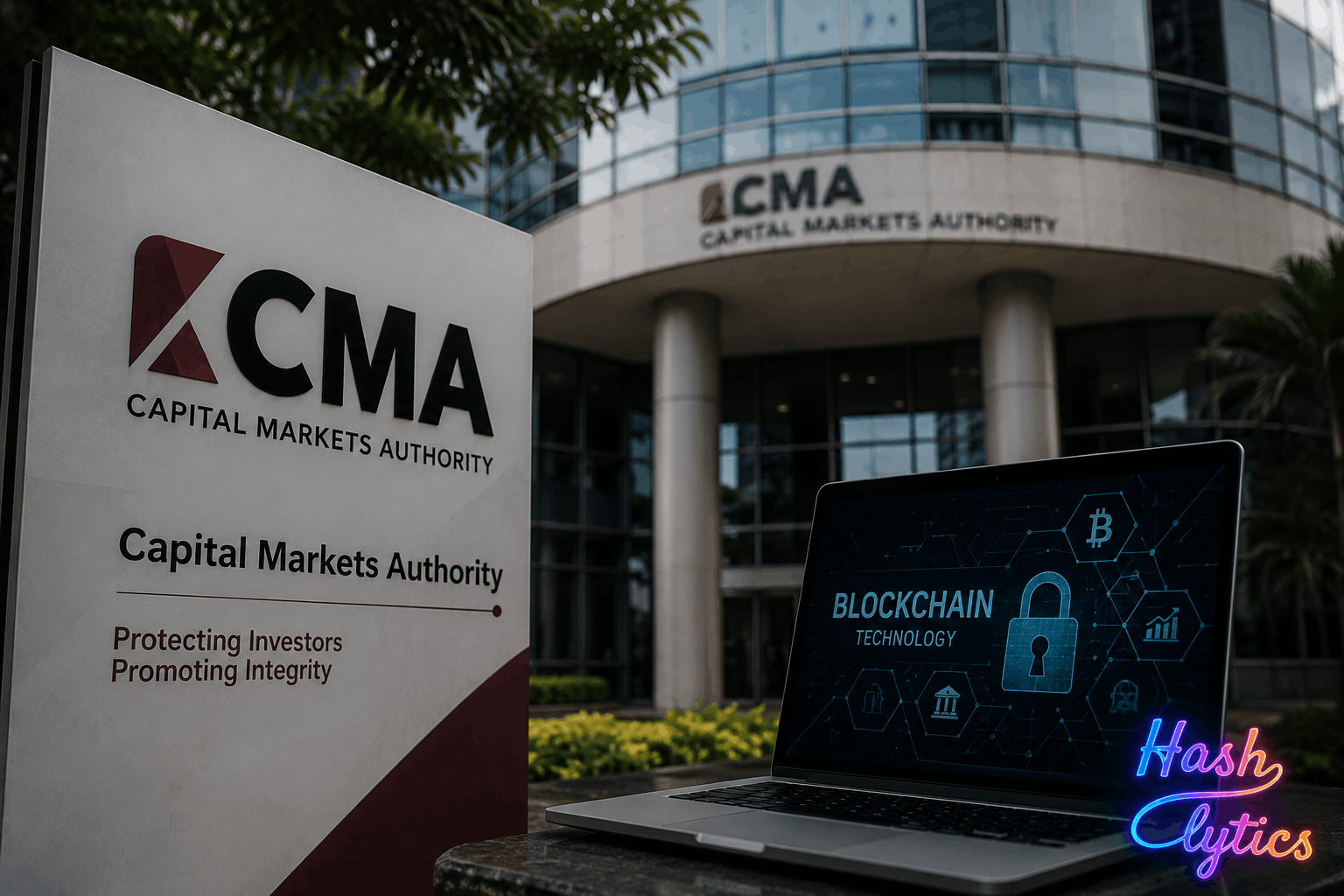
The CMA is actively seeking a blockchain analytics platform capable of real-time monitoring across 20+ blockchains. According to tender documents, the system must perform several critical functions:
- Generate automated alerts for high-risk wallets and large transfers
- Flag coin mixers and darknet-linked addresses
- Screen transactions against UN and OFAC sanctions lists
- Map wallet relationships and reconstruct transaction timelines
- Trace funds across multiple blockchains
- Assign risk scores for money laundering, ransomware, fraud, and terrorism financing
Beyond these core functions, the platform must identify exchanges commonly used by Kenyans and detect unlicensed offshore platforms operating in the local market.
The New Regulatory Framework
This procurement aligns with Kenya’s Virtual Assets Service Providers Act, signed into law by President William Ruto in October and effective since November. The legislation establishes a split supervisory model for digital assets in the country.
| Regulator | Oversees |
|---|---|
| Central Bank of Kenya | Payments, stablecoins, custodial wallets |
| Capital Markets Authority | Exchanges, brokers, investment advisers, tokenization platforms |
The move is part of Kenya’s broader effort to align with FATF anti-money laundering standards and establish itself as a compliant financial jurisdiction.
Kenya’s Crypto Market Size
The new surveillance push comes at a time when Kenya has become a significant crypto hub in Africa. Between July 2024 and June 2025, residents received approximately $19 billion in cryptocurrency, placing Kenya fourth on the continent. Industry estimates suggest over six million crypto users operate within the country.
A substantial portion of this activity occurs through informal peer-to-peer channels rather than regulated platforms. Regulators argue this informal activity heightens the need for robust surveillance tools to prevent money laundering and other financial crimes.
Part of a Global Trend
Kenya’s procurement mirrors activity in other jurisdictions. U.S. agencies and Britain’s Her Majesty’s Revenue and Customs (HMRC) have both acquired similar blockchain forensics tools in recent years. The CMA‘s tender signals Kenya’s intent to achieve comparable oversight capabilities for its rapidly growing digital asset ecosystem.
Timeline for Compliance
No virtual asset service providers have been licensed under Kenya’s new regime yet. The National Treasury published draft regulations in March, and existing crypto operators have until November 2026 to meet the new compliance requirements.
Follow Hashlytics on Bluesky, LinkedIn, Telegram and X to Get Instant Updates