+0.25%
-0.42%
-1.99%
+0.07%
-1.00%
-2.13%
Lazarus Group Executes Dual Ecosystem Attacks
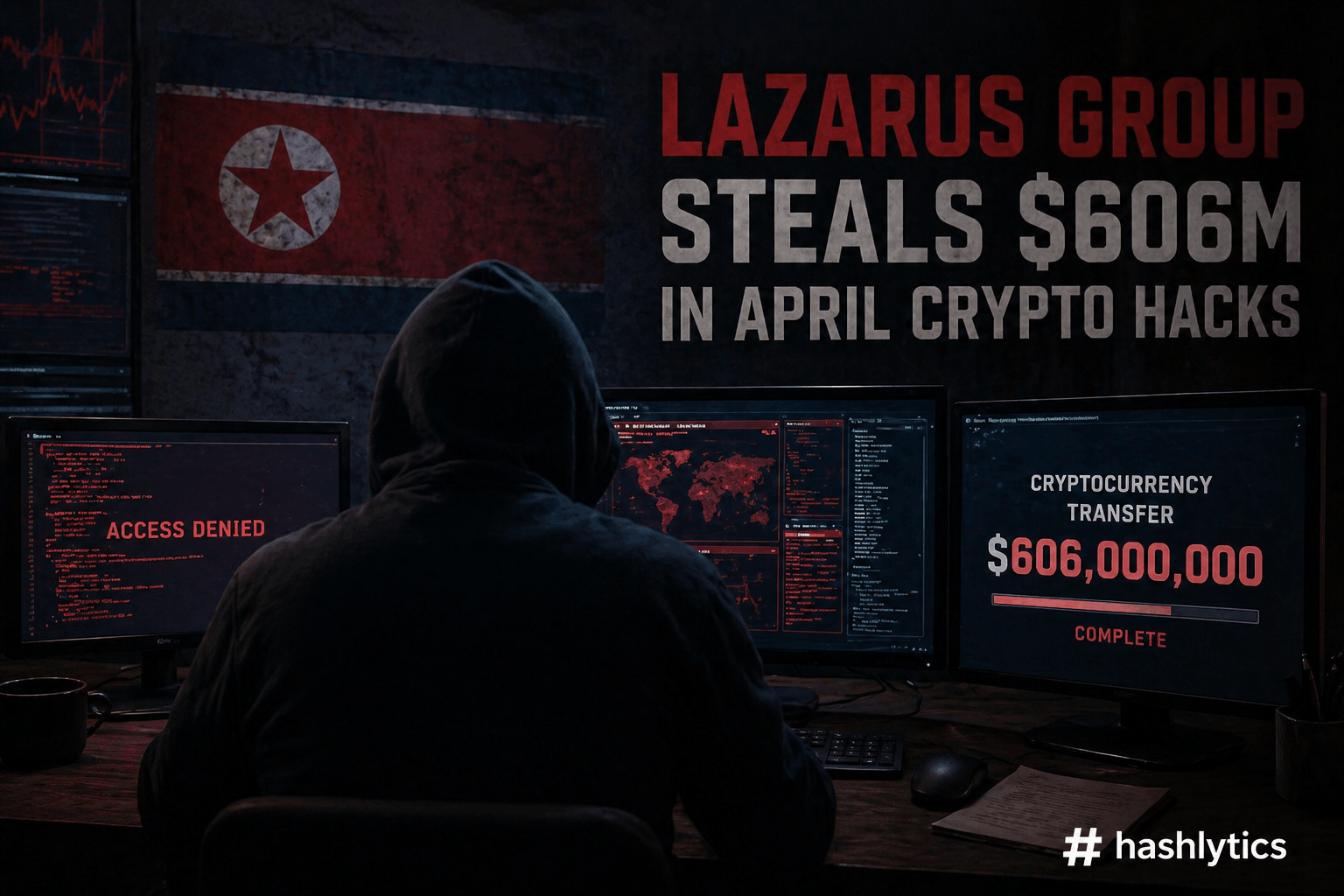
The first breach occurred on April 1 within a Solana ecosystem project, followed by a second attack on April 18 targeting an Ethereum-based protocol. Both incidents were attributed to the North Korean hacking group through forensic analysis. The attacks relied on sophisticated social engineering tactics combined with months of reconnaissance rather than exploiting code vulnerabilities or launching direct cyberattacks.
Why Lazarus Group’s Methods Matter
The Lazarus Group’s approach represents a shift in crypto theft methodology. Instead of discovering and weaponizing software bugs, the attackers embedded themselves within target organizations over extended periods. They leveraged legitimate protocol actions to move assets, making detection significantly harder for security teams. This patient, relationship-based infiltration strategy bypasses many technical defenses that focus on code-level threats.
Massive Capital Flight from DeFi Protocols
The hacks triggered immediate panic selling across the sector. Within 48 hours of the attacks, Aave experienced outflows exceeding $8.4 billion as investors rushed to withdraw deposits. Across all decentralized finance protocols, total value locked (TVL) dropped by more than $13 billion in response to the breaches.
The damage extended throughout April. On April 24 alone, Ethereum-based DeFi protocols saw $1.6 billion flee to safer platforms. These outflows reflect broader investor skepticism about DeFi’s reliability as a financial infrastructure, with many market participants questioning whether the risks justify participation.
Context: Worst Month Since February 2025
April’s $606 million in losses ranks as the second-most damaging month for cryptocurrency theft since at least early 2025. Only a February 2025 incident involving Bybit, which resulted in $1.4 billion in losses, exceeded this month’s damage. The recurring nature of large-scale hacks underscores persistent security gaps across blockchain platforms despite years of industry maturation.
Blockchain Networks Remain Intact
Analysts emphasize that neither Ethereum nor Solana was compromised at the chain level. The breaches were confined to third-party protocols built atop these networks, meaning the underlying blockchain infrastructure remained secure. This distinction is critical: the attacks targeted specific projects, not the foundational networks themselves.
What Comes Next for Crypto Investors
Historically, hack-driven market dips have been viewed as buying opportunities by long-term investors, and security breaches are expected to continue as an inherent risk in cryptocurrency markets. However, the psychological impact of these Lazarus Group attacks may linger, particularly as DeFi struggles to rebuild user confidence in the face of sophisticated, patient adversaries who exploit human trust rather than technical weaknesses.
Follow Hashlytics on Bluesky, LinkedIn , Telegram and X to Get Instant Updates