The Problem: CPU Power Management Ruins 1% Lows
Here’s where the issue lives. Games often have a single main thread that briefly sleeps between frames. When that thread sleeps, the CPU’s performance signal decays, causing the processor to drop its frequency. When the thread wakes back up, there’s a brief stutter as the CPU ramps back up. In technical terms, this creates what developer David Vernet calls stale frames and inflated frame-time percentiles.
The problem isn’t your average framerate. It’s those rare dips, the 1% low framerates that you feel as hitches during gameplay. On a handheld, those micro-stutters are the difference between smooth and frustrating.
The Solution: Dynamic EPP Boost Mode
Vernet’s patch introduces a smart fix: per-core Energy Performance Preference (EPP) boost. Here’s how it works:
- If a CPU core is at least 50% busy for 300 milliseconds, its EPP switches to “performance” mode
- This prevents the frequency from dropping during micro-idles
- The setting reverts after 300 milliseconds of inactivity
- The result balances performance gains with power efficiency
It’s opt-in, so it won’t impact devices that don’t enable it. Crucially, it’s an AMD P-State driver enhancement, which means it works directly with the Linux kernel’s power management layer.
The Results: Up to 31.8% Better 1% Lows
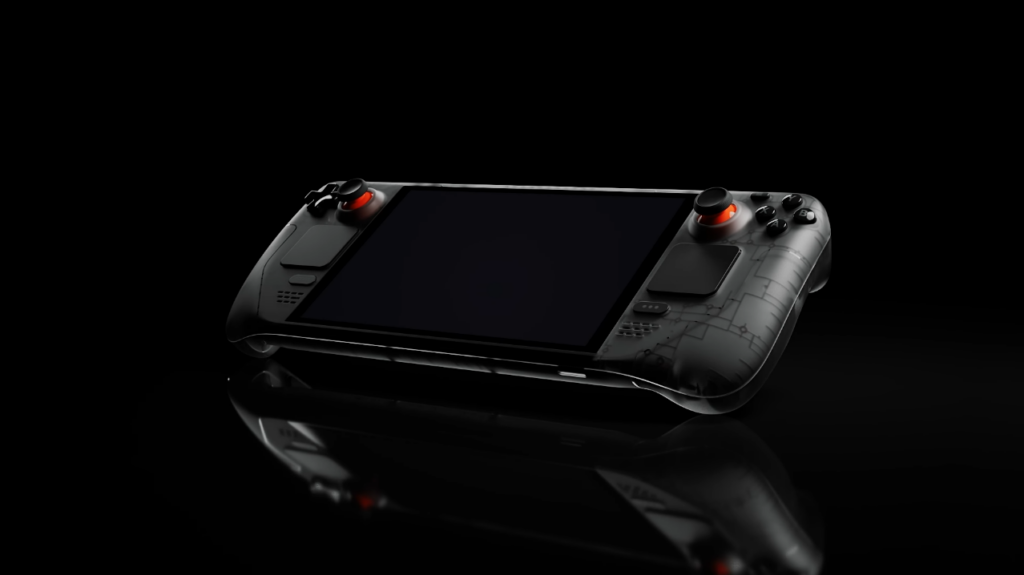
Benchmarking with Civilization 6 on the Steam Deck, the patch delivered impressive gains. The 1% low framerates improved by up to 31.8%. That’s not a framerate increase. That’s a smoothness improvement. Fewer stutters. More consistent visuals during demanding scenes.
This matters because the 1% low is what players actually feel. Your average framerate could be rock solid, but if 1% of frames stutter, you notice it.
Part of a Larger Optimization Push
This patch doesn’t exist in isolation. Previous efforts like Natalie Vick’s VRAM optimizations also targeted Steam Deck performance. Vick’s work focused on memory usage, complementing Vernet’s CPU-centric approach. Together, these improvements address different bottlenecks.
The benefits extend beyond the Steam Deck too. Any AMD handheld running Linux could see the same gains.
Still Waiting for Integration
The patches aren’t live yet. They’re currently under review by AMD Linux kernel engineers. Once approved, they’ll be integrated into the mainline Linux kernel. Users will see the benefits in future kernel updates, assuming the parameter gets enabled by default (or if they manually enable it).
This is how Linux gaming gets better. Not through massive rewrites or new APIs, but through thousands of small optimizations like this one that compound over time. A 31% improvement in 1% lows sounds technical, but for anyone playing on a Steam Deck, it’s the difference between annoying and smooth.
Follow Hashlytics on Bluesky, LinkedIn, Telegram and X to Get Instant Updates