+0.24%
-0.17%
-2.00%
+3.72%
+0.88%
-0.88%
The Deal: What Changed Hands
Mirae Asset Consulting purchased a 92.06% stake in Cobit for approximately $98 million. The Fair Trade Commission approved the acquisition on July 9, 2026, after determining that Cobit’s modest 0.5% market share in last year’s virtual asset transaction volume would not meaningfully restrict competition.
For Mirae Asset Group, this is a strategic foothold in digital assets. The company plans to merge its global investment capabilities with Cobit’s infrastructure, eventually creating a unified platform where customers can trade both traditional stocks and virtual assets on a single exchange.
Korea Joining a Global Trend
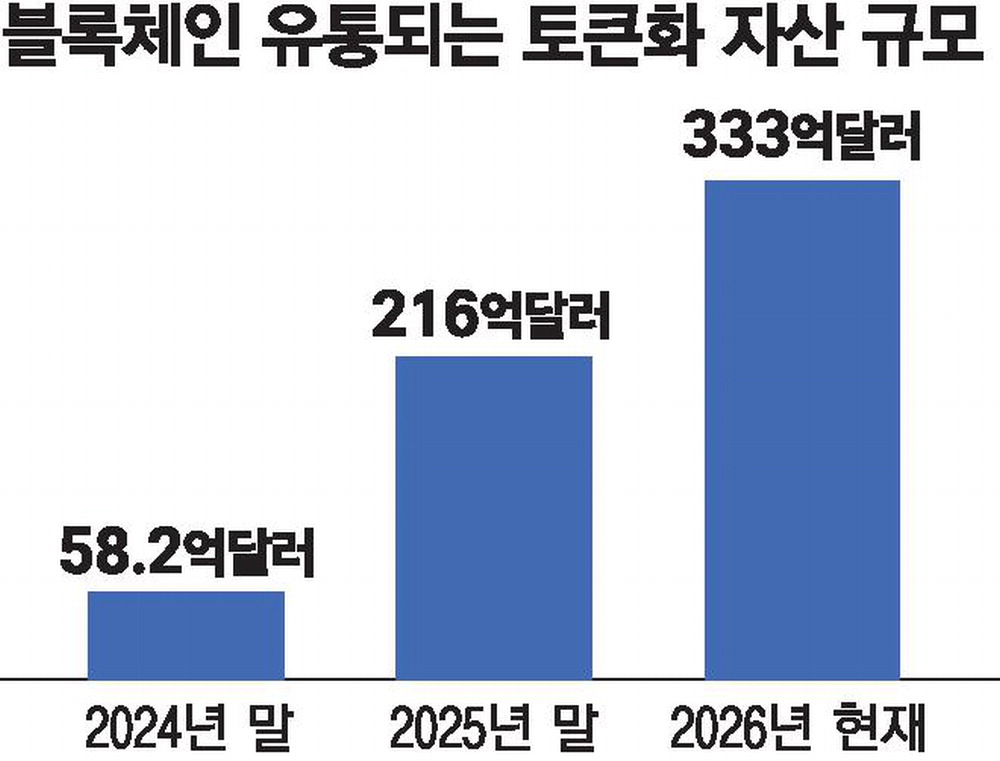
This acquisition doesn’t happen in isolation. Across the world, traditional finance is rapidly embracing tokenization. The data tells a clear story:
- Decentralized tokenized assets on blockchain surged over 50% this year, reaching $33.3 billion globally
- Tokenized U.S. government bonds lead the market at approximately $15 billion
- Representative blockchain-based financial assets totaled around $388.5 billion in combined value
What was once experimental is now structural. Major Wall Street firms have stopped testing tokenization and started building it at scale.
Wall Street’s Tokenized Assets
| Asset | Issuer | Value |
|---|---|---|
| BUIDL (Money Market Fund) | BlackRock | $2.2 billion |
| USDY (Government Bond) | Ondo Finance | $2.1 billion |
| BENJI (Blockchain Fund) | Franklin Templeton | $1.6 billion |
| FGRS (Tokenized Stocks) | Figure | $210 million |
| SECZ (Tokenized Assets) | Securitize | $183 million |
BlackRock’s BUIDL fund alone demonstrates how serious traditional finance has become. Meanwhile, Franklin Templeton‘s BENJI became the first public blockchain-based fund registered with the SEC, a milestone that would have seemed impossible just years ago.
Major Partnerships Accelerating Convergence
The biggest players are building direct bridges between traditional and crypto markets:
Intercontinental Exchange (ICE): The parent company of the New York Stock Exchange invested $200 million in OKX in March 2026. ICE is also establishing a futures broker joint venture with OKX to connect NYSE investors directly to crypto futures markets and tokenized stock trading.
Nasdaq and Kraken: Nasdaq partnered with Payward, which operates Kraken, to build blockchain-based stock trading infrastructure using Kraken’s xStocks tokenization platform.
Robinhood: The retail trading platform launched tokenized U.S. stock products for European investors last year and introduced its own blockchain network called Robinhood Chain this month.
Even Japan followed suit. Monex Group acquired CoinCheck in 2018, establishing a model that other nations are now replicating.
What This Means for South Korea
Mirae Asset’s acquisition of Cobit sets a precedent for deeper convergence between traditional and digital finance in Korea. As the country continues developing digital asset legislation and security token offerings, this deal positions South Korea as a serious participant in the global token economy.
The message is clear: tokenization is no longer fringe. It’s becoming the infrastructure layer that traditional finance runs on. Korea’s major financial groups are moving to secure their positions in this new economy before the window closes.
Follow Hashlytics on Bluesky, LinkedIn, Telegram and X to Get Instant Updates